News On Japan

Japan mulls daylight savings proposal for 2020 Olympics: report

Aug 07, 2018 (Japan Times) - Enduring a deadly heat wave this summer, Japan is considering adopting daylight saving time from next year, so that the 2020 Tokyo Olympic Games can stage events during cooler hours, the Sankei Shimbun newspaper reported Monday.

The report prompted an outpouring of opposition on social media from people worried that it would result in longer hours at work, and the main government spokesman said a decision had still to be taken.

“It is not true that the government has decided to aim for adopting daylight savings time,” Chief Cabinet Secretary Yoshihide Suga told a news conference, citing a “major” impact on peoples’ lives.

“We plan broad measures such as earlier start times, more greenery and heat-inhibiting pavements.”

At least 120 people have died during the scorching heat this summer, raising concerns about athletes’ safety during the 2020 Games, which will be held in late July and early August, Japan’s hottest, most humid months.

Tokyo 2020 Olympics President Yoshiro Mori had previously requested Prime Minister Shinzo Abe adopt daylight saving time as it would allow events scheduled for the morning, such as the marathon, to be held during cooler hours.

Citing several sources, the Sankei Shimbun report said the government was considering bringing clocks forward by two hours between June and August next year on a trial basis, to iron out any problems with the change, ahead of a similar implementation during the Olympics.

Pressing the case for a switch to daylight savings, Masa Takaya, Tokyo 2020 spokesman, said in a statement that the step would “also help protect the environment and realize a low-carbon society in Japan.”

Japan is among a handful of major economies that does not use daylight saving time during the summer, including South Korea, which set clocks back an hour in 1987 and 1988, when it hosted the Summer Olympics in Seoul.

Japan had daylight saving from 1948 to 1952 under the U.S. Occupation — a bitter memory experts say colored discussions about the measure in the 1970s and early 2000s as an energy-saving step.

Popular fears were that peer pressure about leaving work during daylight would keep workers at it longer.

News On Japan
POPULAR NEWS

Airports and railway stations across Japan were crowded on September 23 as travelers returned from their hometowns and holiday destinations on the final day of the five-day Silver Week holiday, with international flight arrivals reaching their peak and many afternoon Shinkansen services fully booked.

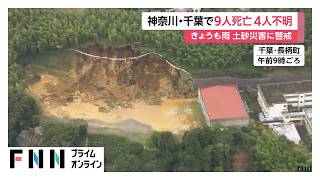
The death toll from Typhoon No. 25 rose to nine on September 23, with four people still missing in Chiba and Kanagawa prefectures, as renewed rainfall raised fears of further landslides in communities devastated by the storm.

Japan's Asian Games campaign produced another day of records and medals on September 23, with Shoon Mitsunaga setting a national record to win the men's 100-meter butterfly, both Japanese gymnastics teams taking silver behind China, and Toshikazu Yamanishi adding to the host nation's athletics medal haul.

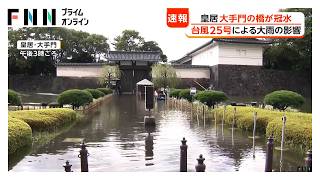
The road leading to Otemon Gate at Tokyo's Imperial Palace was flooded on September 22 after heavy rain from a typhoon caused water in the surrounding moat to overflow.

Japan came within two runs of producing one of international cricket's biggest upsets on September 22, pushing reigning T20 world champion India to the final ball before losing a rain-shortened match at Sano International Cricket Ground in Tochigi Prefecture.

MEDIA CHANNELS
         

MORE Society NEWS

Police in Yamagata Prefecture are working to identify a body found on the coast of a remote island on September 23, the 19th day since a 6-year-old boy went missing in Sakata, after discovering that the body was dressed in clothing similar to the Spider-Man outfit the child was wearing when he disappeared.

An emu that escaped from the home of a traveling zoo operator was captured after wandering through a residential neighborhood in Moriyama, Shiga Prefecture, on September 23, following a police report from a resident who mistook the bird for an ostrich.

People aged 65 and older accounted for a record 29.6% of Japan's population in 2026, the highest proportion among major countries worldwide, while the number of elderly people in employment also reached an all-time high as Japan marked Respect for the Aged Day on September 21.

Emperor Naruhito and Empress Masako visited Ghibli Park in Aichi Prefecture on September 20, touring exhibits that recreate famous scenes from Studio Ghibli films and posing for a photograph with the character No-Face.

Police in Kanagawa Prefecture have rearrested four teenagers on suspicion of murdering a 17-year-old high school student who died after being assaulted in Sagamihara in August.

Drinking parties remain a lively part of social life in Kansai even as younger generations increasingly turn away from alcohol and izakaya bankruptcies rise at a record pace, with customers describing the gatherings less as occasions to drink heavily and more as opportunities to maintain friendships, meet new people and build connections across generations.

Anonymous and fluid criminal groups known in Japan as "tokuryu" are adopting increasingly elaborate tactics, including a scheme in which elderly victims are persuaded to hide cash inside refrigerators before thieves enter their homes, as authorities struggle to combat networks whose members often have no direct contact with one another.

A luxury mansion in Bangkok described as resembling a palace was being used as a base for a specialized fraud operation targeting Japanese people, with Thai authorities detaining 14 people, including four Japanese men.