News On Japan

Early morning sightseeing on the rise in Kyoto and Tokyo

Oct 08, 2018 (Japan Times) - More tourists in Kyoto and Tokyo are sightseeing early in the morning, although many venues are not yet ready to handle the new trend.

In Kyoto, home to a huge array of temples and shrines, officials have been trying in recent years to ease congestion from the influx of visitors by opening tourist sites longer each day and seeking to attract off-season visitors.

Nijo Castle, for example, opens at 8 a.m. from July through September, 45 minutes earlier than usual, and closes at 7 p.m. in July and August, two hours later than usual. It also offers a seasonal breakfast set featuring Kyoto-style congee with yuba (bean curd skin) and other ingredients.

Nijo Castle was built in the 1600s as a stronghold in Kyoto for the Tokugawa shogunate, which was based in Edo (present-day Tokyo). It played important historic roles such as acting as the venue for the last shogun, Tokugawa Yoshinobu, to announce the return of governing power to the Emperor.

Known for the gorgeous wall paintings in Ninomaru Palace and the seasonal trees and flowers of Ninomaru Gardens, the castle was registered on the UNESCO World Heritage List in 1994.

The extended hours enable tourists to “enjoy their visits during the cool morning and evening hours,” said an official at the castle office. With breakfast served in the Koun-tei teahouse in a castle garden, visitors can enjoy both the food and the scenery, the official said.

Tokyo Skytree, a 634-meter-tall broadcasting and observation tower in Sumida Ward that was completed in 2012, is not very crowded soon after it opens at 8 a.m. Some early bird tourists visit the tower for its sweeping views of the capital and to make tour plans for the day.

Some 85 percent of 300 or so foreign tourists surveyed by the Japan Tourism Agency said they want to visit museums and other public facilities early in the morning or at night. But in a separate survey by the agency, only about 20 percent of public and other facility operators indicated willingness to accept visitors at such hours, as most of them want to avoid increasing workloads.


News On Japan
POPULAR NEWS

The resignation of Nvidia CEO Jensen Huang on November 12 following allegations involving a woman suspected of links to Chinese intelligence has raised concerns in Japan over the potential impact on semiconductor investment, financial markets and the yen, as uncertainty surrounding the American AI chipmaker threatens to disrupt the global technology industry.

Japan launched a new national disaster management agency on November 2nd to strengthen its response to major emergencies, just days before a powerful earthquake struck Aichi Prefecture, injuring 24 people and renewing concerns over the possibility of a catastrophic Nankai Trough earthquake.

Russia's Foreign Ministry on November 11 defended the government's unilateral decision to place the local subsidiary of Japan Tobacco (JT) under the management of a Russian company, describing the move as a countermeasure against what it called Japan's "blatantly hostile actions."

East Japan Railway (JR East) announced on November 10th that it will introduce touch-free ticket gates at 40 stations, including every station on Tokyo's Yamanote Line, from spring 2028, allowing passengers using Mobile Suica to pass through without taking their smartphones out of their pockets or bags.

Japan's Children and Families Agency unveiled its first national guidelines on November 10th for parental involvement in children's internet use, dividing those aged 0 to 18 into six developmental stages as the government considers tighter regulations on social media platforms to protect young people from online bullying, exploitation, and other growing risks.

MEDIA CHANNELS
         

MORE Society NEWS

An anti-organized crime convention was held in Osaka City, bringing together police, government officials, and business representatives to reaffirm their commitment to eliminating organized crime groups, as authorities warned that shrinking yakuza organizations are increasingly cooperating with loosely organized criminal networks involved in fraud and robbery.

Tokyo police have raided two establishments in Shinjuku's Kabukicho entertainment district suspected of repeatedly overcharging customers brought in by foreign street touts, with investigators believing the businesses were targeting international tourists visiting Japan.

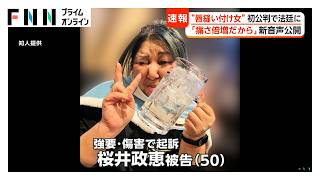
A 50-year-old woman accused of forcing her housemate to sew her own lips shut with a needle and thread admitted all charges at her first court hearing on November 11th, as prosecutors played disturbing audio recordings of the threats used to coerce the victim during an incident in Koga, Ibaraki Prefecture, in June 2026.

A 26-year-old woman from Nagoya has been arrested on suspicion of defrauding men by encouraging them to develop romantic feelings for her before repeatedly requesting money, with 13 men reporting losses totaling approximately 30 million yen in a scheme resembling the notorious "Itadaki Joshi" romance fraud case.

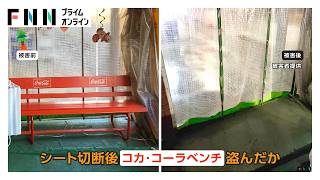
A rare red Coca-Cola bench was stolen from outside a prepared-food shop in Nagareyama, Chiba Prefecture, in the early hours of October 24th, with the owner suspecting the thieves intended to resell the collectible item to enthusiasts after similar benches were found listed online for as much as 180,000 yen.

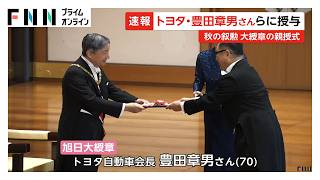
Emperor Naruhito presented prestigious Grand Cordon decorations to Toyota Motor Chairman Akio Toyoda and other recipients of Japan's autumn honors at a ceremony held at the Imperial Palace on November 10th, recognizing their longstanding contributions to the country and society.

A 26-year-old yakuza member suspected of sending young women he met in Tokyo's Kabukicho entertainment district to Cambodia to work as telephone scammers has been arrested for the eighth time, this time on suspicion of conspiring with two women to defraud a man in his 30s of 9.5 million yen.

A 31-year-old Chinese national has been arrested in Tokyo on suspicion of operating an illegal mobile phone base station that forced more than 10,000 smartphones onto a 2G network in less than two hours, allowing phishing messages to be sent to unsuspecting users in busy shopping districts including Ginza, Shinjuku and Shibuya.