News On Japan

Tourists return to Japan, but where are the workers?

TOKYO - Japanese airports and hotels are scrambling to handle the influx of tourists streaming across reopened borders, as staffs that withered to skeletal levels during the pandemic have not rebounded to match the rise in customers.

All Nippon Airways has lost 20% of its ground personnel at Tokyo's Haneda Airport due to staff departures and a hiring freeze. Now on the busiest days, the airline deploys about 100 cabin assistants to help on the ground by guiding passengers through the airport.

Taking the brunt are the ground crews responsible for baggage handling and similar tasks associated with plane departures and arrivals. Both Haneda and Narita International Airport near Tokyo have gotten staffing help from other airports. Vocational school graduates have received fast-track job offers and onboarding.

The Japan Federation of Aviation Industry Unions, consisting of unions representing airline workers, counted 45,310 people in its ranks in October, down 2,000 from last year.

The tourism industry sees a similar contraction. The hotel, restaurant and entertainment sectors combined for 4.06 million workers nationwide in August, data from the Ministry of Internal Affairs and Communications shows, a decrease of 10% from August 2019. ...continue reading

News On Japan
POPULAR NEWS

Typhoon No. 15 (Chan-hom) began causing significant disruption to Japan's Obon holiday travel on August 11, with ANA canceling 58 flights serving Haneda and Narita airports, JAL canceling four flights, and JR East suspending some services on the Joban Line as the storm approached eastern Japan.

Typhoon No. 15 (Chan-hom) was closing in on the Kanto region on the evening of August 11 and is expected to soon make landfall in or around Ibaraki Prefecture before crossing Honshu from east to west, an unusual path that could bring heavy rain, powerful winds and high waves across a wide stretch of Japan through August 12.

Japan's H3 Rocket No. 9 successfully placed the Michibiki No. 7 navigation satellite into its planned orbit after lifting off from the Tanegashima Space Center in Kagoshima Prefecture at 4:23 a.m. on August 11, marking the country's second consecutive successful H3 launch.

The Tokaido Shinkansen operated its first overnight service ahead of the Obon holiday period, offering travelers a 15,000 yen trip from the Tokyo area to Kyoto and Shin-Osaka while allowing them to save on hotel costs and arrive earlier than the first regular morning trains.

Typhoon No. 15 is expected to approach and likely make landfall somewhere in the Kanto region on August 11, bringing strong winds and heavy rain that could disrupt conventional rail services, expressways and flights while also affecting a wider area extending into Tohoku.

MEDIA CHANNELS
         

MORE Business NEWS

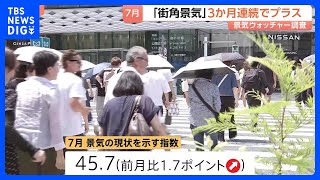
Japan's street-level economic sentiment improved for a third consecutive month in July, supported by sharply hotter weather after the end of the rainy season and the start of the summer vacation period, with stronger sales of products including men's parasols and air conditioners.

Tokyo stocks rose on August 10, with the Nikkei 225 closing at 66,376.25, up 1.2%, as investors bought electronics, metals and artificial intelligence-related shares, while fresh signs of a more hawkish Bank of Japan debate kept attention on the yen, bond yields and the timing of the next rate increase.

Japan recorded a current account deficit of 92.3 billion yen in June, its first shortfall in 17 months, as a sharp increase in import costs outpaced growth in exports.

Several Bank of Japan policymakers have signaled support for accelerating interest rate increases, with one member warning that the pace of hikes could become faster than financial markets currently expect as the central bank pays greater attention to upside inflation risks.

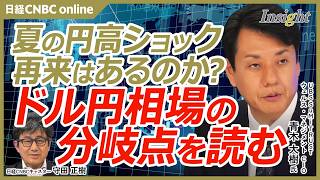
A repeat of the sharp yen appreciation seen in the summer of 2024 is unlikely under current conditions, with persistently high U.S. interest rates and continued structural pressure on Japan's currency making another rapid surge difficult, according to UBS wealth management chief investment officer Daiju Aoki.

Japanese companies delivered a wave of strong earnings on August 7, with Fujikura, Recruit Holdings, INPEX and several other major groups raising forecasts as artificial intelligence investment, higher resource prices and resilient consumer demand lifted profits.

Tokyo stocks ended slightly lower on August 7, with the Nikkei 225 closing at 65,606.71, down 76.55 points, or 0.12%, as selling in chip-related and artificial intelligence-linked shares outweighed solid buying in the broader market and a late recovery led by Fujikura.

Nippon Steel has completed a new production line at its Nagoya Works after investing about 300 billion yen, as Japan's largest steelmaker seeks to expand production of high-performance steel products primarily for automakers.