News On Japan

How is Japan Tackling Epidemic of Elderly Dying Alone?

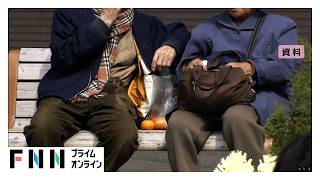
TOKYO - An estimated 68,000 elderly people die alone in Japan each year, according to recent data. From January to March this year, about 17,000 people aged 65 and over were found deceased in their homes.
How is Japan Tackling Epidemic of Elderly Dying Alone?

Addressing this issue of social isolation in Japan is becoming increasingly important.

In Tokyo's Sugamo district, elderly residents shared their thoughts on this matter.

A man in his 70s living alone commented, 'It's fate, I suppose. Honestly, being alone is lonely.'

An elderly couple in their 80s mentioned, 'We try to always be together to avoid loneliness. We're discussing what to do if one of us ends up alone, considering options like moving into a care facility.'

A woman in her 70s living with her daughter's family said, 'Even though we live together, we have different living spaces. I do want to join in, but I don't want to be a burden.'

As the number of elderly living alone increases, studies suggest that social isolation can elevate the risks of stroke and dementia.

Combating 'Kodoku-shoku' with Virtual Reality

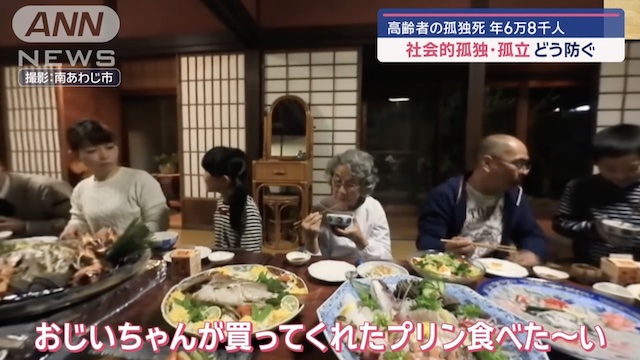
To tackle the issue of solitary meals, known as 'kodoku-shoku,' Hyogo Prefecture's Minamiawaji City initiated a project in 2017 called 'Virtual Granny.' This project allows elderly individuals to virtually dine with a grandmotherly figure via video.

Takayuki Doi from the city's Food Promotion Division explained, 'We want to prevent isolation and solitary meals among the elderly. Eating alone can be dull, but sharing a meal, even virtually, can make it enjoyable.'

In the videos, a grandmotherly figure says, 'Good morning. Breakfast is ready,' creating a sense of shared dining. This initiative provides a simulated experience of dining with a large family, making meals feel less lonely.

Ryusaburo Nakata, an associate professor at Hokusei Gakuen University, noted, 'Even seeing oneself in a mirror while eating can make the food taste better. We've confirmed with both elderly people and students that virtual dining improves the eating experience.'

Businesses Turning 'Kodoku-shoku' into Opportunities

Businesses are also exploring ways to reduce solitary dining. A startup named 'shokujii' organizes lunch events aimed at fostering communal dining experiences.

At a recent lunch, 12 participants, mostly aged 20 to 50 and living alone, gathered to share a meal. These events, held around 30 times a month at community spaces and senior centers, facilitate social interaction and reduce loneliness.

Ken Soga, a 41-year-old certified public accountant, said, 'Living alone at 41, I join these events hoping to meet new people. At home, I have a cat, so I'm not lonely, but cats aren't conversational partners.'

Mayu Sato, a 29-year-old engineer, added, 'These gatherings are enjoyable and make meals tastier. Cooking for oneself can be tedious and limited in variety, but dining with others expands the menu.'

Naohiro Yasukawa, president of Nijyuu-ni, which operates shokujii, reflected, 'The pandemic made loneliness unbearable. We don't want to return to that state and hope to reduce the number of people feeling that way.'

These efforts highlight the importance of addressing social isolation and finding innovative ways to connect individuals, especially the elderly, to foster a sense of community and improve quality of life.

Source: ANN

News On Japan
POPULAR NEWS

Typhoon No. 25 had left four people dead and six others missing in Chiba and Kanagawa prefectures by September 22, as the storm moved away from Japan and the extent of flooding and landslide damage across the Kanto region became clearer.

Transport disruption from Typhoon No. 25 continued across Chiba Prefecture on September 22 even as flights and major highways returned toward normal, with entire sections of the JR network remaining suspended for the day and all Narita Express services canceled because of flooding, landslides and damage to railway infrastructure.

Japan came within two runs of producing one of international cricket's biggest upsets on September 22, pushing reigning T20 world champion India to the final ball before losing a rain-shortened match at Sano International Cricket Ground in Tochigi Prefecture.

Japan's Asian Games campaign continued across a packed Day 4 schedule on September 22, with the women's badminton team securing another medal, the women's basketball team completing an unbeaten group stage, and Japan adding a historic bronze medal in mixed air rifle shooting as several of the host nation's biggest medal opportunities moved into the evening.

Japan collected another 12 medals on Day 3 of the Aichi-Nagoya Asian Games on September 21, with 17-year-old swimmer Shin Ohashi and karateka Kakeru Nishiyama winning gold, while the host nation also advanced strongly in women's volleyball, baseball, soccer, handball and hockey.

MEDIA CHANNELS
         

MORE Society NEWS

People aged 65 and older accounted for a record 29.6% of Japan's population in 2026, the highest proportion among major countries worldwide, while the number of elderly people in employment also reached an all-time high as Japan marked Respect for the Aged Day on September 21.

Emperor Naruhito and Empress Masako visited Ghibli Park in Aichi Prefecture on September 20, touring exhibits that recreate famous scenes from Studio Ghibli films and posing for a photograph with the character No-Face.

Police in Kanagawa Prefecture have rearrested four teenagers on suspicion of murdering a 17-year-old high school student who died after being assaulted in Sagamihara in August.

Drinking parties remain a lively part of social life in Kansai even as younger generations increasingly turn away from alcohol and izakaya bankruptcies rise at a record pace, with customers describing the gatherings less as occasions to drink heavily and more as opportunities to maintain friendships, meet new people and build connections across generations.

Anonymous and fluid criminal groups known in Japan as "tokuryu" are adopting increasingly elaborate tactics, including a scheme in which elderly victims are persuaded to hide cash inside refrigerators before thieves enter their homes, as authorities struggle to combat networks whose members often have no direct contact with one another.

A luxury mansion in Bangkok described as resembling a palace was being used as a base for a specialized fraud operation targeting Japanese people, with Thai authorities detaining 14 people, including four Japanese men.

Copper roofing has been stripped from Shinano-no-miya Shrine in Oshika Village, Nagano Prefecture, leaving the wooden structure exposed in the latest of a series of similar thefts reported at shrines across the prefecture.

A popular Tokyo nightclub hostess and influencer known as Yamatorino, who says she generated more than 200 million yen in sales during a single month, has been arrested on suspicion of possessing cocaine with her boyfriend at their home in Roppongi.