News On Japan

Japan's Railways to Use QR Codes on Tickets

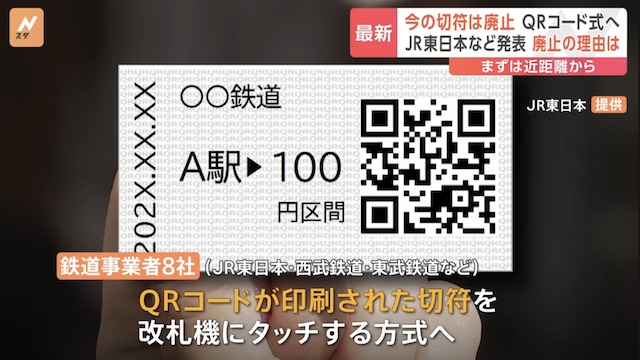
TOKYO - Eight railway companies, including JR East, have announced that they will gradually phase out the current tickets in favor of QR codes starting from 2026.
Japan's Railways to Use QR Codes on Tickets

JR East, Seibu Railway, Tobu Railway, and five other railway operators will replace the current magnetic tickets, which have a black back, with QR code-printed tickets that passengers can scan at ticket gates starting in 2026.

At JR East, long-distance tickets such as those for Shinkansen and limited express trains will not be included initially. The switch will first apply to short-distance tickets.

Currently, the tickets in use contain metals, which pose environmental challenges when recycling.

Switching to QR codes is expected to be more environmentally friendly and will eliminate issues such as tickets getting stuck in automatic ticket gates, which causes inconvenience to passengers.

Some Lines Already Using QR Code Tickets; Tokyu Corporation Allows Travel with Credit Cards

Takahiro Inoue, a broadcaster, reported that according to a Tobu Railway representative, 'The internal mechanisms of automatic ticket gates are very complex, and recovering tickets when they get stuck is quite challenging. Switching to QR codes will reduce maintenance costs.'

Okinawa Urban Monorail's Yui Rail introduced QR code tickets in October 2014.

While magnetic tickets are considered industrial waste, QR code tickets can be disposed of as regular waste.

Additionally, from May 15, Tokyu Corporation has enabled passengers to travel using touch payment-enabled credit and debit cards (excluding the Tokyu Setagaya Line).

Source: TBS

News On Japan
POPULAR NEWS

Airports and railway stations across Japan were crowded on September 23 as travelers returned from their hometowns and holiday destinations on the final day of the five-day Silver Week holiday, with international flight arrivals reaching their peak and many afternoon Shinkansen services fully booked.

Extensive railway disruption continued across Chiba Prefecture on September 23 as JR East warned that several lines damaged by Typhoon No. 25 would remain closed beyond the Silver Week holiday, even as flights returned toward normal, all typhoon-related expressway closures were lifted and some highway bus services resumed. The storm has left widespread damage to railway tracks and embankments, with flooding, landslides and fallen trees complicating restoration work.

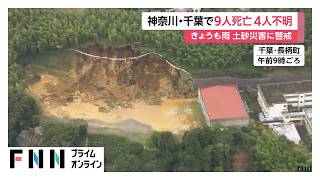
The death toll from Typhoon No. 25 rose to nine on September 23, with four people still missing in Chiba and Kanagawa prefectures, as renewed rainfall raised fears of further landslides in communities devastated by the storm.

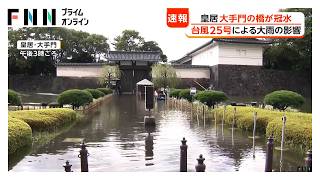
The road leading to Otemon Gate at Tokyo's Imperial Palace was flooded on September 22 after heavy rain from a typhoon caused water in the surrounding moat to overflow.

Japan came within two runs of producing one of international cricket's biggest upsets on September 22, pushing reigning T20 world champion India to the final ball before losing a rain-shortened match at Sano International Cricket Ground in Tochigi Prefecture.

MEDIA CHANNELS
         

MORE Travel NEWS

Japan's first overnight Shinkansen service departed Shin-Osaka Station at around 10 p.m. on September 22, taking passengers on a special journey to Tokyo that included a six-hour stop at Shin-Fuji Station, where travelers spent the night aboard the train before enjoying views of Mount Fuji at dawn.

The road leading to Otemon Gate at Tokyo's Imperial Palace was flooded on September 22 after heavy rain from a typhoon caused water in the surrounding moat to overflow.

A phone booth that converts the voice of the person on the other end of a call into real-time text has been installed at Haneda Airport for four days, offering visitors a glimpse of technology designed for people who have difficulty hearing telephone conversations.

Peach Aviation began scheduled flights between Narita Airport and South Korea's Incheon International Airport on September 20, marking the low-cost carrier's first new international route from Narita in seven years.

Japan's Silver Week began on September 19 with five consecutive days off for the first time in 11 years, drawing crowds to food and festival events across the country despite rainy weather in the Kanto region as Typhoon No. 25 approached.

Volcanic smoke continues to rise from Mount Tokachi (Tokachidake), an active volcano in Daisetsuzan National Park in Hokkaido, one week after its eruption alert level was raised to Level 3, restricting entry to the mountain and prompting a series of cancellations at nearby hot spring inns just before the peak autumn foliage season.

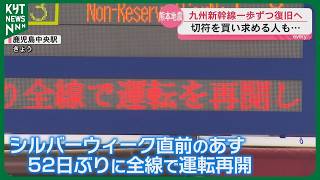
The Kyushu Shinkansen will resume operations along its entire route on September 18 after suffering extensive track and other damage in the Kumamoto earthquake, raising hopes that the long-awaited restoration will help revive tourism in disaster-hit areas ahead of the Silver Week holiday period.

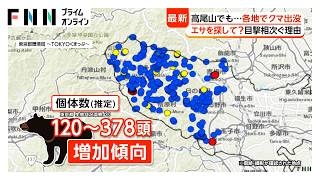
A black bear has been spotted near one of the most popular hiking trails on Mount Takao in western Tokyo, prompting authorities to urge visitors to take precautions ahead of the five-day Silver Week holiday and the approaching autumn foliage season.