TOKYO - Japan showcased remarkable performances at the Paris Olympics, winning a record 45 medals. These medalists are rewarded with cash prizes, but how did money become intertwined with the Olympics?
The Japanese Olympic Committee (JOC) offers cash prizes of 5 million yen, 2 million yen, and 1 million yen, respectively, for gold, silver, and bronze medals. These amounts have increased compared to the early days when rewards started at around 3 million yen. In addition to these prizes, individual sports federations also offer rewards, although the amounts vary. For example, the Gymnastics Federation awards 500,000 yen for a gold medal, while the Golf Association offers a hefty 20 million yen. However, some federations, like Judo, do not provide additional rewards.
These cash rewards are tax-free. For instance, gymnast Kohei Uchimura, who won three gold medals and one silver, received a total of 17 million yen, all tax-free. While athletes do not compete solely for monetary gain, these rewards come as a welcome bonus after their hard work. At the Tokyo Olympics, fencer Takahiro Shikine received 100 million yen from his sponsor, separate from any JOC rewards.
But what about athletes from other countries? For instance, during the Tokyo 2020 Olympics, the Philippines saw its first-ever gold medalist, weightlifter Hidilyn Diaz. Her reward? 40 million yen, equivalent to 60 years' worth of average income in the Philippines. Additionally, a major real estate company gave her a property, adding another 90 million yen to her earnings. Diaz also received free lifetime medical care and, interestingly, a lifetime supply of ramen.
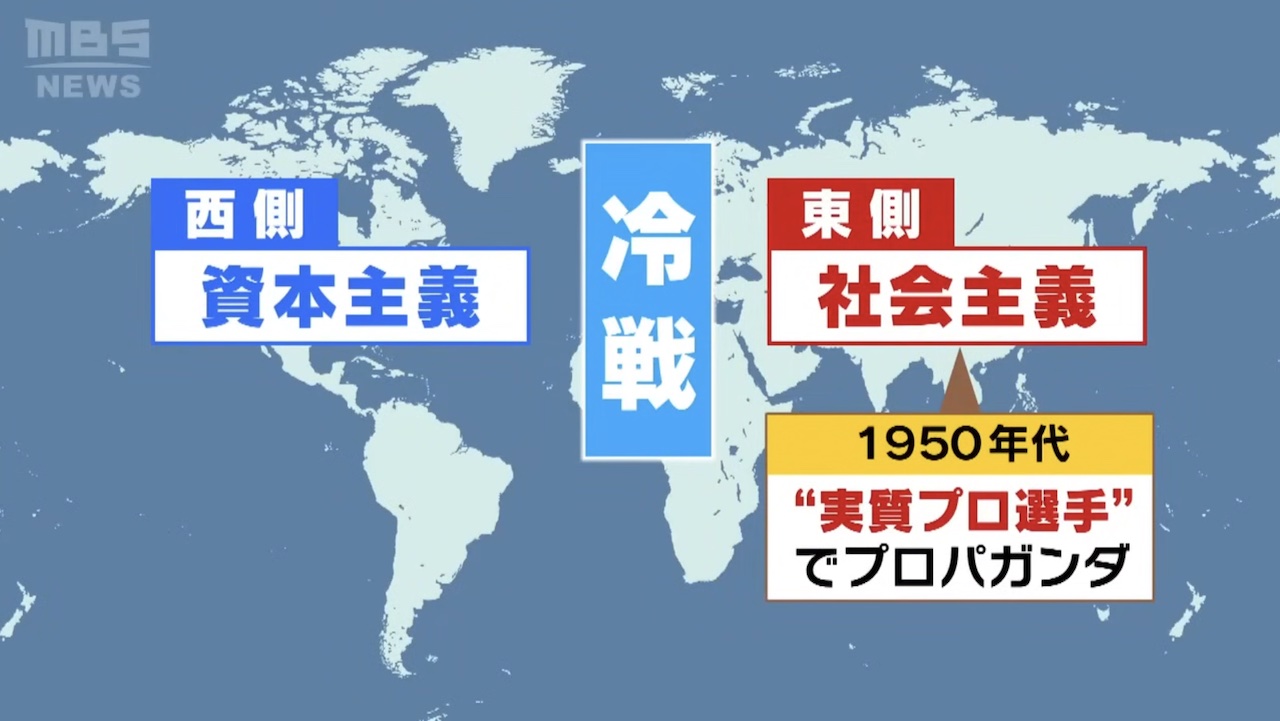
So, when did these financial rewards begin? Olympic rewards from national committees started over half a century ago at the Helsinki Olympics, initiated by the former Soviet Union as part of its socialist agenda. Japan, however, was late to the game, beginning to offer rewards at the Albertville Winter Olympics in 1992. The shift was prompted by Japan's poor performance against South Korea and China in the 1988 Seoul Olympics, where the medal count was significantly lower.
In the early days of the modern Olympics, commercial interests were absent. Athletes sponsored by companies were barred from participation, following the ancient Olympic tradition. However, as the financial burden on host nations grew, especially after the 1976 Montreal Olympics, which left a massive debt repaid by citizens until 2006, commercializing the Olympics became necessary. This commercialization allowed nations to maintain financial independence from political influences, such as the boycott of the 1980 Moscow Olympics.
The professionalization of sports also became inevitable, driven by the need to compete with state-backed athletes from the Eastern Bloc. By the time of the 1992 Barcelona Olympics, professional athletes like Michael Jordan and the "Dream Team" were competing, a significant shift from earlier years when professional athletes were excluded.
Today, the Olympics have grown into a colossal event with over 1 trillion yen in revenue. Despite concerns over corruption, such as the bid-rigging scandals surrounding the Tokyo Olympics, the International Olympic Committee (IOC) distributes 90% of its income back into sports, with 6 billion yen spent daily on supporting athletes worldwide.
Source: MBS