News On Japan

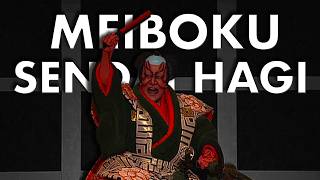
The World of Princess Yaegaki EXPLAINED・ Honcho Nijūshikō (1766)

Apr 14 (Kabuki In-Depth) - In this video, we explore the 1766 jidaimono masterpiece Honchō Nijūshikō ("Japan's Twenty-Four Paragons of Filial Piety").

Honchō Nijūshikō (本朝二十四孝), published in 1766, is a landmark work in Japanese literature that adapts Confucian moral teachings to a distinctly Japanese context. The title translates as "Twenty-Four Filial Exemplars of Our Country," echoing the famous Chinese anthology Ershisi xiao (二十四孝), which presented moral tales promoting filial piety. In the Edo period, when Confucian ideals were being emphasized by the ruling Tokugawa shogunate, Honchō Nijūshikō served as a localized reinterpretation of these values, aiming to reinforce social harmony through the celebration of devotion to one's parents and elders.

The author, Takebe Ayatari, was a samurai, scholar, and a pioneering figure in the development of historical fiction in Japan. His approach to the text moved beyond mere moral instruction; he wove together historical and legendary Japanese figures into dramatized narratives that combined ethical lessons with emotional depth. Each of the twenty-four stories features a character who embodies the ideal of kō (filial piety), drawn from Japanese history or folklore. These stories were not only moral tales but also compelling dramas filled with loyalty, sacrifice, and inner conflict, resonating deeply with readers of the time.

Unlike the terse moral anecdotes of the Chinese original, Takebe’s adaptations expanded the material into richly textured prose. Characters were developed with nuance, and the plotlines were structured to evoke sympathy, admiration, and reflection. This made the work particularly effective not just as a didactic text, but also as literature. The emotional power of the narratives helped popularize the values they espoused, making them accessible to a wider audience beyond scholars or officials.

Honchō Nijūshikō had a profound impact on Edo-period popular culture. Many of its tales were adapted into theatrical performances, including kabuki and bunraku puppet plays, where they found new life on stage. The stories’ combination of moral seriousness and dramatic flair made them ideal for performance, and they were frequently staged throughout the late 18th and early 19th centuries. This theatrical afterlife contributed to the work's longevity and helped cement its place in the cultural consciousness of the time.

Beyond entertainment, the book served an ideological function. By choosing Japanese figures as exemplars of Confucian filial devotion, Takebe contributed to the nationalization of Confucian values. He demonstrated that such virtues were not just foreign imports from China, but had deep roots in Japan’s own historical and mythological traditions. This reinforced a sense of national identity while maintaining the Confucian ethical framework that underpinned Tokugawa rule.

Today, Honchō Nijūshikō is recognized as a foundational work in the development of Japanese historical fiction and didactic literature. It represents a turning point where literature began to integrate moral instruction with literary artistry, paving the way for later Edo-period novels that would continue to blend entertainment with ethical engagement. It remains a valuable window into the moral ideals, narrative practices, and cultural politics of 18th-century Japan.

News On Japan
POPULAR NEWS

Japan already classifies days with highs of 30C or above as manatsubi (midsummer days) and those reaching 35C or above as moshobi (extremely hot days). It has now introduced a new term for days when temperatures climb to 40C or higher.

Police investigating the death of an 11-year-old boy whose body was found in a forest in Kyoto Prefecture believe his father moved the remains between several locations over a number of days in an apparent attempt to conceal the crime.

A large and powerful Typhoon No. 4, internationally named Sinlaku, was located near the Mariana Islands and moving north-northeast as of the latest update. The storm is expected to gradually shift its course eastward and pass southeast of the Ogasawara Islands around April 18, before making its closest approach around April 19.

Japan will release around 50 million stockpiled medical gloves from next month as concerns grow over shortages of medical supplies linked to tensions in the Middle East, Prime Minister Sanae Takaichi said.

The Tateyama Kurobe Alpine Route connecting Toyama and Nagano fully reopened on April 15th, marking the start of the spring tourism season along one of Japan’s most celebrated mountain routes.

MEDIA CHANNELS
         

MORE Entertainment NEWS

A man accused of violating copyright law by publishing so-called spoiler articles summarizing films on the internet was handed a suspended prison sentence after the Tokyo District Court ruled that the posts infringed copyright.

A theater directly connected to Tokyo Station is set to open in May inside a large-scale redevelopment complex scheduled to fully launch in autumn, marking a new step in efforts to strengthen the area’s cultural and artistic presence.

A cosplay event featuring participants dressed as characters from anime and games was held in Himeji, Hyogo Prefecture, on April 12th, drawing large crowds as around 200 participants paraded through the city’s shopping district.

A farewell performance titled "Farewell April Grand Kabuki" is being staged at Osaka Shochikuza in Chuo Ward, Osaka, which is set to close in May due to the aging of the building, marking the beginning of a two-month run of kabuki performances that have drawn audiences with comedies and dances featuring a colorful cast of characters, continuing through April 26th.

Today we have a look at the kabuki performances taking this April at the Shochiku-za theatre in Osaka! (Kabuki In-Depth)

A talk event was held at a bookstore in New York on March 9th to commemorate the publication of the English translation "SAKURA" of the bestselling novel "Sakura" by Naoki Prize-winning author Kanae Nishi, who appeared alongside American translator Allison Powell to discuss the book’s central theme of family love.

The winner of the 2026 Japan Booksellers Award, in which bookstore staff across the country vote for the book they most want to sell, was announced on April 9th, with Ryo Asai, 36, receiving the top prize for the novel "In the Megachurch," published by Nikkei Publishing.

Athletes from across Japan boasting finely trained physiques are set to gather in Okinawa for a major fitness competition, as more than 300 participants prepare to compete in the "Muscle Gate" body make contest, marking the event’s first-ever staging in the prefecture.