News On Japan

Japan Overhauls Prison System for First Time in a Century

TOKYO - Japan has officially abolished both penal servitude and imprisonment without labor, replacing them with a newly introduced 'custodial sentence' system. This marks the first major reform of the country's penal code since it was established in 1907.

Under the new system, inmates will be categorized into 24 groups based on factors such as age, nationality, presence of addiction, and sentence length. Each group will receive work assignments and guidance tailored to their specific characteristics.

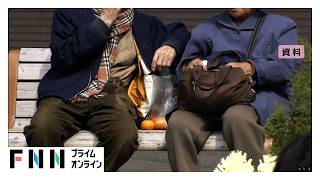
For example, elderly inmates with dementia will be placed in a "geriatric welfare program," which focuses on activities aimed at improving physical and cognitive functions. Inmates with a history of drug use will be classified under a "rehabilitation program for addiction," with a stronger emphasis placed on treatment and recovery. The aim is to shift the primary function of incarceration from punishment to the prevention of repeat offenses.

Although the new custodial sentence will apply to individuals convicted after June 1st, the Ministry of Justice also plans to gradually reassign current inmates serving time under the old system into the new classification groups.

The reform was driven by the growing need to modernize Japan's correctional system, particularly in response to the rising number of elderly prisoners, the increasing prevalence of drug-related offenses, and the high rate of repeat offenses. By eliminating the distinction between penal servitude and simple imprisonment, the new system aims to create a unified and flexible approach to incarceration that better supports rehabilitation.

Under the new custodial sentence system, all inmates will be assessed and classified into 24 different groups based on factors such as age, nationality, sentence length, addiction history, and mental or physical health. Each group will receive individualized programs that align with their specific characteristics and rehabilitation needs. For example, elderly inmates with dementia or other age-related impairments may be placed in welfare-oriented courses designed to maintain or improve physical and cognitive functioning. Inmates with a history of substance abuse will be placed in recovery-focused programs that emphasize treatment, counseling, and behavioral therapy. Younger offenders may be assigned to educational or vocational training programs that prepare them for reintegration into the workforce upon release.

The underlying philosophy of 拘禁刑 shifts the emphasis of incarceration from punitive measures toward the prevention of recidivism. Rather than focusing on "punishment" in the traditional sense, the new system prioritizes rehabilitation, social reintegration, and support for behavioral change. This approach reflects both domestic concerns about repeat offenses and international criticism of Japan's historically rigid penal practices. Although the new sentence applies only to crimes committed after June 1, 2025, the Ministry of Justice plans to gradually reclassify existing inmates serving time under the previous system into the new categories. By integrating correctional science and individualized support into its prison system, Japan aims to modernize its approach to criminal justice, reduce the likelihood of reoffending, and create a more humane and effective correctional environment.

Related; EXCLUSIVE! Inside a Female PRISON! Life inside Japanese prison

Source: TBS

News On Japan
POPULAR NEWS

Typhoon No. 25 was moving away from Japan over waters to the east early on September 22, bringing an end to rainfall across the Kanto region while remaining a strong storm as it tracked northeast at 45 kilometers per hour at 3 a.m.

Severe transport disruption continued across Chiba Prefecture on the morning of September 22 even as Typhoon No. 25 moved away from Japan, with major JR lines still suspended, rail access to Narita Airport disrupted by river flooding, highways closed across the Boso Peninsula and thousands of travelers dealing with the aftermath of the previous day's cancellations.

Japan collected another 12 medals on Day 3 of the Aichi-Nagoya Asian Games on September 21, with 17-year-old swimmer Shin Ohashi and karateka Kakeru Nishiyama winning gold, while the host nation also advanced strongly in women's volleyball, baseball, soccer, handball and hockey.

People aged 65 and older accounted for a record 29.6% of Japan's population in 2026, the highest proportion among major countries worldwide, while the number of elderly people in employment also reached an all-time high as Japan marked Respect for the Aged Day on September 21.

Emperor Naruhito and Empress Masako watched Japan defeat Kazakhstan in a women’s basketball preliminary-round game at the 20th Asian Games in Nagoya.

MEDIA CHANNELS
         

MORE Society NEWS

People aged 65 and older accounted for a record 29.6% of Japan's population in 2026, the highest proportion among major countries worldwide, while the number of elderly people in employment also reached an all-time high as Japan marked Respect for the Aged Day on September 21.

Emperor Naruhito and Empress Masako visited Ghibli Park in Aichi Prefecture on September 20, touring exhibits that recreate famous scenes from Studio Ghibli films and posing for a photograph with the character No-Face.

Police in Kanagawa Prefecture have rearrested four teenagers on suspicion of murdering a 17-year-old high school student who died after being assaulted in Sagamihara in August.

Drinking parties remain a lively part of social life in Kansai even as younger generations increasingly turn away from alcohol and izakaya bankruptcies rise at a record pace, with customers describing the gatherings less as occasions to drink heavily and more as opportunities to maintain friendships, meet new people and build connections across generations.

Anonymous and fluid criminal groups known in Japan as "tokuryu" are adopting increasingly elaborate tactics, including a scheme in which elderly victims are persuaded to hide cash inside refrigerators before thieves enter their homes, as authorities struggle to combat networks whose members often have no direct contact with one another.

A luxury mansion in Bangkok described as resembling a palace was being used as a base for a specialized fraud operation targeting Japanese people, with Thai authorities detaining 14 people, including four Japanese men.

Copper roofing has been stripped from Shinano-no-miya Shrine in Oshika Village, Nagano Prefecture, leaving the wooden structure exposed in the latest of a series of similar thefts reported at shrines across the prefecture.

A popular Tokyo nightclub hostess and influencer known as Yamatorino, who says she generated more than 200 million yen in sales during a single month, has been arrested on suspicion of possessing cocaine with her boyfriend at their home in Roppongi.