Planning a trip to Japan sounds dreamy until you're knee-deep in browser tabs, comparing train schedules and wondering if squeezing in both Kyoto and Hakone is even feasible.
For first-time travellers, Japan can feel like a logistical labyrinth. Cities sprawl endlessly, cultural etiquette is precise, and public transport (while famously efficient) requires its own learning curve. Luckily, today we have something called AI. I’ve been using it for lots of things lately. Chatting to AI companions (yes, that’s a thing), planning my meals, and even troubleshooting my dishwasher a few days ago. How did I go from fixing a broken dishwasher to asking ChatGPT for a 10-day Japan itinerary? Total accident, and total curiosity. I was scrolling through Reddit when I stumbled on a thread about Japan travel plans. People were going hard. One user posted an itinerary made by ChatGPT, and the replies tore it apart. That got me thinking. What if I could steer ChatGPT to build the perfect 10-day itinerary for Japan? Challenge accepted.
Planning a Japan Itinerary Can Be Chaotic
Ok, I’ll admit it. There’s an ironic cruelty in how easy Japan is on the ground, and how chaotic it is to plan before you go. Between its seasonal changes, dense mega-cities, traditional customs, and region-specific quirks, travel in Japan demands precision. If you miss the last train, you’re shelling out for a pricey cab. If you don’t book that teamLab Borderless ticket a month in advance, good luck getting in. And don’t even get started on station layouts. Navigating Shinjuku Station for the first time might just test your sanity. This is why many turn to pre-made itineraries or tour packages. But those can feel rigid, leaving no room for spontaneity or personal interests. My idea was simple. Let AI stitch together the essentials of Japan’s “Golden Route” into a smooth 10-day journey.
First-Timer Tips (That ChatGPT Almost Nailed)
I quickly learned that even the most beautiful itinerary can fall apart if you miss a few crucial details. So first, I told ChatGPT to write some tips for first-time visitors. Now, to be fair, ChatGPT didn’t give me all these tips, but with a little cross-referencing, I ended up with a hybrid plan: AI structure with human experience to fill in the gaps.
- Get an eSIM before you land. Wi-Fi in Japan is patchy, and finding a physical SIM booth at the airport while jetlagged is a level of hell I don’t wish on anyone. An eSIM saved me.
- Download offline maps for every city. Even with signal, Google Maps occasionally freaked out underground. Having Tokyo, Kyoto, Osaka, and Hakone maps preloaded saved me from several “where the hell am I” moments.
- Book tickets early. This goes for trains, attractions like Shibuya Sky or teamLab, and even certain restaurants. Japan rewards the early planner.
- Use luggage forwarding services. I had no idea how easy it would be to send my suitcase ahead to the next hotel. It was cheap, same-day, and made city-hopping feel like teleportation.
- Open-jaw flights save your sanity. Flying into Tokyo and out of Osaka (or vice versa) was a game-changer. You avoid the backtrack, and every day gets to be fresh ground.
When to Visit Japan? Timing Is Everything
ChatGPT suggested autumn, and honestly, I couldn’t have asked for a better season. If you go in early November for example, you can catch the very start of the momiji (autumn leaf) season. Kyoto’s temples will be painted in red and gold. Tokyo will be cool but not cold. Mount Fuji will peak through clear skies without a trace of snowstorms or humidity. Spring, also called sakura season, is equally magical, but crowded beyond belief. Summer is hot, humid, and prone to typhoons. Winter is ideal if you want to ski or see Fuji with crystal clarity.
The 10-Day Itinerary: Here’s What ChatGPT Gave Me (and How It Played Out)
Day 1–3: Tokyo
Stay near Shinjuku if you want to dive straight into Tokyo’s neon-fueled chaos. It’s loud, electric, and always moving. A sensory overload in the best way possible.
Day 1: Yoyogi Park to Roppongi
Start at Yoyogi Park, entering from Yoyogi-Koen Station, and make your way toward Meiji Jingu Shrine, tucked inside the forested heart of the park. From there, walk to Harajuku for quirky shops and crepe stands, then wander down tree-lined Omotesando for upscale stores and architecture eye candy. End your day in Roppongi Hills, where you’ll find sleek nightlife, art museums, and panoramic views from Tokyo City View.
Day 2: Shibuya and Shinjuku
Begin at Shibuya Station (exit A8) to meet Hachiko and experience the iconic Shibuya Scramble Crossing. Book ahead to visit Shibuya Sky, arguably Tokyo’s best observatory. After lunch, choose between a relaxed stroll through Daikanyama or dive into the madness of Shinjuku. There, explore Shinjuku Gyoen National Garden, then grab dinner at Omoide Yokocho, a narrow alley full of tiny izakayas serving grilled skewers and cold beer.
Day 3: Akihabara, Ueno, and Asakusa
Spend your final day in Tokyo diving into pop culture and tradition. Start at Akihabara Electric Town for arcades, anime, and gadget overload. Head north to Ueno Park for museums or a peaceful walk, then wrap up at Senso-ji Temple in Asakusa. Stop by Tokyo Skytree if you still have energy to spare. It’s the tallest tower in the world and offers dazzling night views. If you want a more curated experience of the capital, Tokyo luxury tours can help you explore these neighborhoods with expert local guides who know the hidden gems.
Day 4–5: Hakone (or Fuji Five Lakes)
Why choose Hakone? It’s easier to access without a car, and the transport links back to Osaka/Kyoto are more straightforward. You’ll also have a decent chance of spotting Mount Fuji, if weather permits.
Day 4: Arrive and Explore
Take an early morning train to Hakone-Yumoto Station. Use the Hakone Free Pass to navigate the area. Visit the Hakone Open-Air Museum, ride the Hakone Ropeway, and soak in panoramic views at Owakudani Valley. If skies are clear, Mount Fuji will peek through in the distance. Stay in a ryokan (traditional inn) and enjoy a multi-course kaiseki dinner followed by an onsen soak.
Day 5: Relax, then Head to Kansai
Spend your morning enjoying your ryokan or visiting Hakone Shrine by Lake Ashi. After lunch, head to Odawara Station and board the Tokaido Shinkansen to Kyoto or Osaka. The ride takes about two hours.
Day 6–7: Kyoto
Stay near Gion, Kawaramachi, or Kyoto Station for the best balance of access and atmosphere.
Day 6: Temples and Tradition
Begin your day at Fushimi Inari Taisha, get there early to walk the iconic red torii gates before the crowds. Then head to Kiyomizu-dera, a grand temple with sweeping city views. Stroll through Higashiyama, stopping at Ninenzaka and Sannenzaka streets for souvenirs and street food. If time allows, walk the Philosopher’s Path to Ginkaku-ji for a quieter, reflective finish.
Day 7: Arashiyama Escape
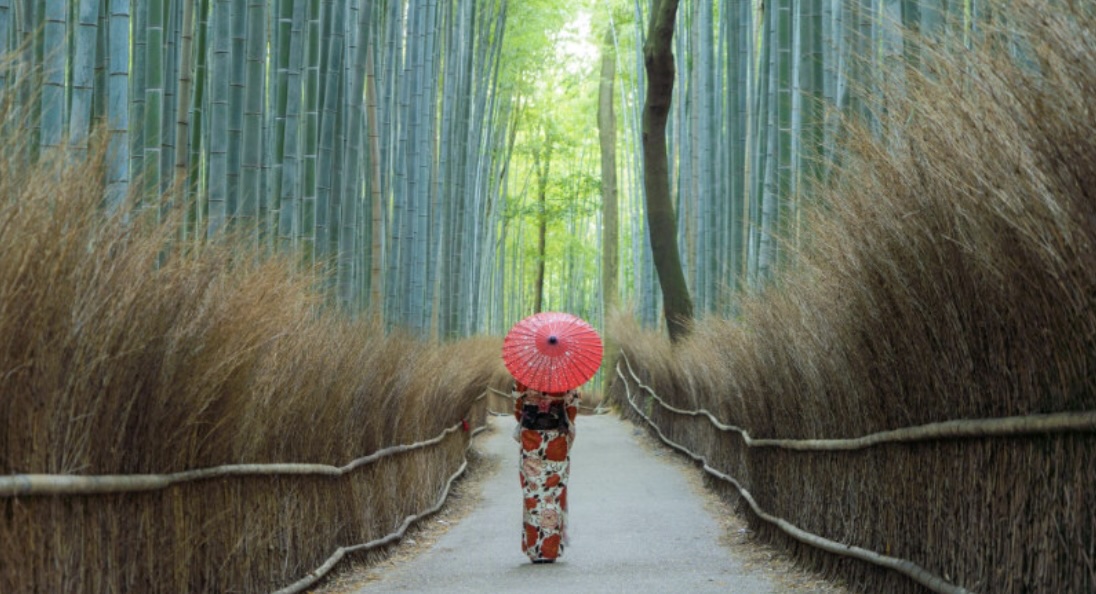
Take a local train to Arashiyama, on the city’s western edge. Walk through the Arashiyama Bamboo Grove, visit Tenryu-ji Temple, and climb to Iwatayama Monkey Park for panoramic views and wild monkeys. If you have time, ride the Sagano Romantic Train or explore local cafes and riverboat tours.
Day 8: Nara Day Trip
Get there from either Kyoto or Osaka, Nara is just 30–45 minutes away by local train. Leave early to maximize your time. Start at Todai-ji, home to the Great Buddha, then walk to Nigatsu-do and Sangatsu-do. From there, make your way to Nandaimon Gate, where friendly deer roam freely, buy senbei crackers from local stalls to feed them (they’ll even bow!). Finish at Kasuga Taisha Shrine before heading back to your base city in the evening.
Day 9–10: Osaka
Stay near Namba, Shinsaibashi, or Umeda which is close to shops, food, and train lines.
Day 9: Classic Osaka
Begin at Osaka Castle and stroll around the vast park surrounding it, especially beautiful in autumn. Head to Den-Den Town, Osaka’s answer to Akihabara, for gaming, collectibles, and retro tech. When night falls, go to Dotonbori: neon signs, street food stalls, and a million photo ops. Try takoyaki, okonomiyaki, or fresh sushi from a standing bar.
Day 10: Final Views and Fun
Spend your last day in Shinsekai, and climb up Tsutenkaku Tower for retro vibes and a skyline view. Stop by Namba Yasaka Shrine, known for its lion-head-shaped stage. Optional afternoon ideas: Visit Osaka Aquarium, build your own souvenir at the Cup Noodles Museum, or tour the Suntory Whisky Distillery (pre-booking required). Wrap up with a quiet meal before heading to Kansai International Airport (KIX) the next morning, or that night, if you’ve booked a late flight.
So, Did ChatGPT Deliver?
So what do you think, did ChatGPT deliver? I think it almost did. Not entirely on its own. I had to guide it a bit, but ultimately, this itinerary is close to perfect for a 10-day visit.
With a few personal tweaks and human wisdom layered in, it gave structure to something that initially felt overwhelming. It helped me pace the trip, avoid burnout, and hit a little bit of everything, including city life, tradition, nature, and food. Could I have discovered all this on my own? Probably. But it would’ve taken a few days of research, spreadsheets, and second-guessing. ChatGPT gave me something to work with even if I didn’t want to follow this exact itinerary. Treat it as a backbone of your trip and you still have a great plan in front of you. So there you go Reddit. You are wrong. AI absolutely can deliver close to perfect itinerary!