News On Japan

China’s Rise Pressures Japan’s Appliance Makers

TOKYO - Japan’s consumer-electronics leaders, long associated with engineering prowess, face a radically altered global landscape. Once-defining products—Sharp’s all-transistor calculators and wall-mounted TVs, Sony’s Walkman, Panasonic’s image-stabilized camcorders and keep-warm rice cookers—are now symbols of a past era as companies pivot and rivals surge.

Japanese manufacturers can no longer rely on appliances alone. Sharp has downsized the Kameyama plant and exited production of LCD panels for televisions. Sony is prioritizing entertainment. Panasonic is reported to be weighing an exit from the TV business. A survey in 2021 even indicated that roughly half of people in their 20s did not recognize the Panasonic brand.

A major driver of the slump is the rise of Chinese makers. Haier’s drum-type washing machines, for example, skip extras like drying but cover essentials such as wrinkle-care spin cycles and sell for about 78,000 yen. Roborock’s robot vacuums combine camera- and sensor-based obstacle avoidance with mopping, threshold climbing, and dock-based self-cleaning at around 280,000 yen. Consumers, who long avoided unfamiliar brands because appliances are durable purchases, now see value as choices expand.

Analysts argue the comeback hinges on breaking free of the innovator’s dilemma—the tendency to over-refine incumbent technologies while missing disruptive shifts. Japan’s feature phones offered early mobile internet, yet the iPhone reset the market almost overnight. The Walkman defined portable music, but iPod’s compact, data-centric model displaced it globally. The pattern reflects a Galápagos-style focus on domestic optimization over category creation.

Even so, Japan retains strengths: key smartphone and semiconductor components where domestic suppliers hold leading global shares. The challenge is to leverage those advantages toward first-of-their-kind products. What matters is moving from 0 to 1. Flat-panel TVs astonished at launch; later competition on millimeters of thinness mattered less than being first to ship a truly new category. To regain global footing, manufacturers must prioritize category-making innovation that delivers immediate, obvious benefits to users—and scale it worldwide instead of perfecting it at home.

Source: TBS

News On Japan
POPULAR NEWS

Typhoon No. 15 (Chan-hom) is expected to make landfall near Ibaraki Prefecture between around 6 p.m. and 9 p.m. on August 11, bringing rapidly strengthening winds, high waves and heavy rain to parts of Kanto and southern Tohoku, with unsettled weather potentially continuing even after the storm moves inland.

Japan's H3 Rocket No. 9 successfully placed the Michibiki No. 7 navigation satellite into its planned orbit after lifting off from the Tanegashima Space Center in Kagoshima Prefecture at 4:23 a.m. on August 11, marking the country's second consecutive successful H3 launch.

The Tokaido Shinkansen operated its first overnight service ahead of the Obon holiday period, offering travelers a 15,000 yen trip from the Tokyo area to Kyoto and Shin-Osaka while allowing them to save on hotel costs and arrive earlier than the first regular morning trains.

Typhoon No. 15 is expected to approach and likely make landfall somewhere in the Kanto region on August 11, bringing strong winds and heavy rain that could disrupt conventional rail services, expressways and flights while also affecting a wider area extending into Tohoku.

Raccoons are increasingly invading homes across Japan, damaging roofs and wiring, contaminating buildings with large amounts of urine and feces, and raising concerns over agriculture, native wildlife and the spread of disease as their population continues to expand.

MEDIA CHANNELS
         

MORE Business NEWS

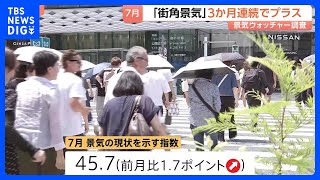
Japan's street-level economic sentiment improved for a third consecutive month in July, supported by sharply hotter weather after the end of the rainy season and the start of the summer vacation period, with stronger sales of products including men's parasols and air conditioners.

Tokyo stocks rose on August 10, with the Nikkei 225 closing at 66,376.25, up 1.2%, as investors bought electronics, metals and artificial intelligence-related shares, while fresh signs of a more hawkish Bank of Japan debate kept attention on the yen, bond yields and the timing of the next rate increase.

Japan recorded a current account deficit of 92.3 billion yen in June, its first shortfall in 17 months, as a sharp increase in import costs outpaced growth in exports.

Several Bank of Japan policymakers have signaled support for accelerating interest rate increases, with one member warning that the pace of hikes could become faster than financial markets currently expect as the central bank pays greater attention to upside inflation risks.

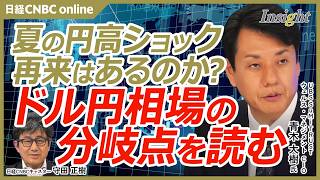
A repeat of the sharp yen appreciation seen in the summer of 2024 is unlikely under current conditions, with persistently high U.S. interest rates and continued structural pressure on Japan's currency making another rapid surge difficult, according to UBS wealth management chief investment officer Daiju Aoki.

Japanese companies delivered a wave of strong earnings on August 7, with Fujikura, Recruit Holdings, INPEX and several other major groups raising forecasts as artificial intelligence investment, higher resource prices and resilient consumer demand lifted profits.

Tokyo stocks ended slightly lower on August 7, with the Nikkei 225 closing at 65,606.71, down 76.55 points, or 0.12%, as selling in chip-related and artificial intelligence-linked shares outweighed solid buying in the broader market and a late recovery led by Fujikura.

Nippon Steel has completed a new production line at its Nagoya Works after investing about 300 billion yen, as Japan's largest steelmaker seeks to expand production of high-performance steel products primarily for automakers.