News On Japan

Tokyo Issues Influenza Epidemic Warning for First Time in 16 Years

TOKYO - Tokyo Metropolitan Government issued an influenza epidemic warning on November 13th after the number of reported cases reached the alert threshold, marking the first such announcement in November in 16 years.

According to the metropolitan government, the average number of seasonal influenza cases per medical institution during the week ending November 9th was 29.03, about 1.2 times higher than the previous week. Since this exceeded the alert level set by the city, officials formally declared an epidemic warning. This year’s outbreak has spread earlier than usual, with the last November warning issued in 2009.

At hospitals, the number of influenza patients has been increasing since last week, and more people are coming in for vaccinations. One doctor noted that the peak seems to have shifted forward by one to two months. The Ministry of Health, Labour and Welfare reported last Friday that the number of influenza infections nationwide exceeded 57,000, about 2.4 times higher than the previous week. The number of regions reaching the “alert” level — over 10 patients per medical institution — rose from zero two weeks ago to 23 last week.

“I didn’t expect the peak to come in November,” said one doctor. “We knew it would spread, but now it’s really happening.” The nationwide spread of influenza is about a month earlier than last year, making it the second-fastest outbreak in the past 20 years. The impact has extended to schools — in Kameoka City, Kyoto Prefecture, one elementary school class was closed after more than ten students were absent with the flu, up from just two students the previous Friday.

Since September, more than 500 schools across Japan have temporarily closed classes due to influenza. Private after-school daycare facilities have seen an increase in children attending while their schools are closed, especially from households where both parents work. “Public schools don’t accept children during closures, so it’s a relief that private centers like this stay open,” said one mother.

Medical experts suggest that the rapid spread may be linked to the increase in inbound tourism and large upcoming events such as the Expo, which could have contributed to the introduction of viruses from abroad. They also pointed out that the outbreak began before many people had the chance to get vaccinated. Doctors warn that although the current wave might subside earlier than usual, another influenza strain could emerge later, while COVID-19 cases are also expected to increase toward February next year. Authorities urge the public to remain vigilant, maintaining preventive habits such as handwashing, mask-wearing, and ensuring good ventilation.

Source: TBS

News On Japan
POPULAR NEWS

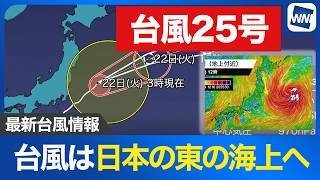
Typhoon No. 25 was moving away from Japan over waters to the east early on September 22, bringing an end to rainfall across the Kanto region while remaining a strong storm as it tracked northeast at 45 kilometers per hour at 3 a.m.

Severe transport disruption continued across Chiba Prefecture on the morning of September 22 even as Typhoon No. 25 moved away from Japan, with major JR lines still suspended, rail access to Narita Airport disrupted by river flooding, highways closed across the Boso Peninsula and thousands of travelers dealing with the aftermath of the previous day's cancellations.

Japan collected another 12 medals on Day 3 of the Aichi-Nagoya Asian Games on September 21, with 17-year-old swimmer Shin Ohashi and karateka Kakeru Nishiyama winning gold, while the host nation also advanced strongly in women's volleyball, baseball, soccer, handball and hockey.

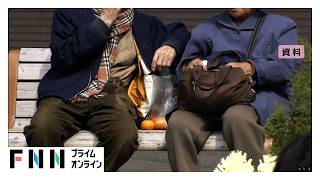
People aged 65 and older accounted for a record 29.6% of Japan's population in 2026, the highest proportion among major countries worldwide, while the number of elderly people in employment also reached an all-time high as Japan marked Respect for the Aged Day on September 21.

Emperor Naruhito and Empress Masako watched Japan defeat Kazakhstan in a women’s basketball preliminary-round game at the 20th Asian Games in Nagoya.

MEDIA CHANNELS
         

MORE Education NEWS

A groundbreaking ceremony was held in Kyoto City on September 15 for Ronald McDonald House Kyoto, a residential facility where children undergoing medical treatment will be able to stay together with their families.

Elementary school students in Fukuoka got a hands-on lesson in the importance of taxes on September 11, lifting a 10-kilogram replica of 100 million yen as part of a class designed to show how public money supports society.

Raccoons are increasingly appearing in urban areas of Japan, including residential neighborhoods near Shin-Osaka Station, raising concerns over disease, attacks on people and agricultural damage that reached about 700 million yen nationwide last year.

Japanese 15-year-olds spend an average of 2.3 hours browsing social media during their weekday free time, the shortest amount among 24 countries surveyed, according to data from the Organization for Economic Cooperation and Development.

Renovation work has begun at a hospital in Izumisano, Osaka Prefecture, as the city prepares to introduce a baby hatch for parents unable to raise their children and a confidential birth system that allows pregnant women to give birth without publicly disclosing their identities.

A disaster prevention experiment has shown how quickly a rain-soaked slope can collapse once visible cracks appear, highlighting the need for people in landslide-prone areas to evacuate before conditions become critical as the risk of disasters remains elevated through early next week.

Nearly 60% of Japanese high school students consider learning about different cultures "very important," the highest proportion among Japan, the United States, China and South Korea, according to a survey released by the National Institution for Youth Education.

The number of elderly people in Japan with no relatives to rely on is projected to rise to 4.48 million by 2050, or roughly one in nine seniors, prompting the government to create a new system under revised social welfare laws to support people with daily needs, hospitalization and arrangements after death.