TOKYO - Japan will begin rolling out a major overhaul of its disaster weather information system from the afternoon of May 28th, reorganizing warnings and advisories to make it easier for residents to understand when they should evacuate.
The revised framework will formally take effect on May 29th, reorganizing information for river flooding, heavy rain, landslides and storm surges so that each warning is more clearly linked to Japan's five-level evacuation alert system.
Under the current system, residents may receive information with differing names depending on the type of hazard, even when the required level of caution is similar. For example, landslide risks have been communicated through categories including heavy rain warnings and landslide disaster warning information, while flood and storm surge alerts have used separate terminology.
The new system is intended to make those differences easier to understand by specifying the type of disaster in the alert name and adding the corresponding alert level number to the information issued.
A new "Danger Warning" category will be introduced for information corresponding to Alert Level 4, positioned between existing warnings and special warnings. The government urges residents to complete evacuation from dangerous areas by Level 4, before conditions become so severe that moving to safety may no longer be possible.
During a Weather News broadcast explaining the changes, forecaster Yamaguchi said the most important point for residents to remember is that Level 4 means they should evacuate from hazardous areas.
"When it reaches Level 4, evacuation becomes the most important action," Yamaguchi said.
Under the revised color-coded framework, purple represents Alert Level 4, when evacuation is required, while black represents Alert Level 5, when a disaster may already be occurring or immediately threatening lives.
Officials stressed that residents should not wait for a formal evacuation order from local authorities if conditions around them are already becoming dangerous. People in flood-prone areas, landslide warning zones or other high-risk locations are urged to check local government information and move to safety as early as necessary.
They also warned that beginning evacuation only after Alert Level 5 has been issued may be too late, as roads or escape routes may already be affected by flooding, landslides or other damage.
Evacuation does not always mean moving to a designated shelter, Yamaguchi said. People who are already in safe locations outside areas at risk of landslides or flooding may choose to remain there, depending on local conditions and official guidance.
The overhaul follows lessons learned from the deadly 2018 flooding disaster in western Japan, which led to the introduction of the five-level alert system in 2019. Officials later recognized that the relationship between alert levels and weather information remained difficult for many residents to understand, raising concerns that confusion could delay evacuation.
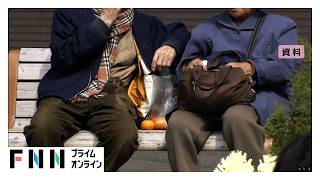
The need for clearer guidance has become more pressing as extreme rain disasters grow increasingly frequent and severe, while Japan's aging population means more people may require additional time to prepare for or carry out an evacuation.
Under the alert system, Level 3 is intended to prompt elderly residents and others who may need more time to begin evacuating or preparing to move before conditions worsen.
Officials said residents do not need to memorize every new warning category, but should remember the central principle of the revised system: when Alert Level 4 information is issued, people in dangerous areas should already be taking action to evacuate.