News On Japan

Price Hikes Across Japan Linked to Middle East Conflict

TOKYO - Food price increases in Japan are accelerating, with the number of products subject to higher prices this year potentially reaching 20,000 items as rising costs linked to tensions in the Middle East spread through supply chains and place additional pressure on household budgets.

According to a survey by Teikoku Databank, at least 11,157 food and related products had been scheduled for price increases as of June 1st this year.

A major factor behind the increases has been the rising cost of packaging materials. Higher prices for naphtha, a petroleum-derived raw material used in the production of plastics and other products, have prompted manufacturers to pass on costs to consumers. Price hikes attributed to more expensive packaging and materials, including food trays and paper cartons, accounted for more than 70% of all announced increases.

The pace of price increases is expected to intensify after summer. In July alone, more than 2,000 products are projected to see higher prices, marking the first time in three months that the monthly total has exceeded that level and signaling another major wave of increases.

Teikoku Databank noted that instability surrounding the Strait of Hormuz is beginning to affect domestic industries, leading to tighter supplies of petroleum-based resin materials and increasing cost pressures throughout the economy.

The research firm warned that if current trends continue, the number of products affected by price increases this year could reach the 20,000-item range, raising concerns that consumers will face a prolonged period of higher living costs.

The latest outlook suggests that geopolitical tensions in the Middle East are no longer affecting only energy markets but are increasingly being reflected in the prices of everyday goods, from food packaging to household necessities, adding to the financial burden on Japanese households already coping with persistent inflation.

Source: TBS

News On Japan
POPULAR NEWS

Japan began applying a new numerical alcohol threshold for dangerous driving offenses on July 21, introducing a clearer standard for cases involving impaired driving that could lead to fatal accidents.

Prime Minister Sanae Takaichi's government approved its first annual basic economic and fiscal policy on Tuesday, pledging "responsible and proactive fiscal policy" and envisioning about 370 trillion yen in public- and private-sector investment in strategic industries through fiscal 2040.

Breathtaking 4K footage filmed from a helicopter offers a sweeping aerial view of Mount Fuji and its majestic surrounding landscape.

A covert network of shuttle tankers is carrying crude through the increasingly dangerous Strait of Hormuz as renewed fighting between the United States and Iran disrupts shipping and raises concerns over how Japan will secure the oil it needs.

Russian Deputy Foreign Minister Andrey Rudenko has criticized moves by Japanese and Ukrainian companies to cooperate on drone technology, warning that such ties would be regarded by Moscow as a "clear hostile act."

MEDIA CHANNELS
         

MORE Oil Crisis NEWS

A tanker carrying about 1 million barrels of Mexican crude oil arrived off Yokkaichi, Mie Prefecture, on the morning of July 17, marking Japan's first such delivery since the Strait of Hormuz was effectively closed.

Marutake Tosou, a painting company founded about 50 years ago in Nagoya’s Nishi Ward, handles exterior walls and other building projects. Its workshop is lined with cans of thinner, an essential material used for sanding products and diluting paint, but at the end of April the company was struggling to secure supplies.

Dental clinics are facing higher costs for gloves, masks and other supplies made from naphtha-derived materials, even as shortages ease following renewed conflict in the Middle East that has disrupted naphtha supplies.

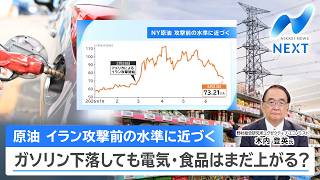
Crude oil prices have plunged to the low $70 range per barrel following the signing of a memorandum aimed at ending fighting between the United States and Iran, but while the immediate risk of an energy crisis appears to have eased, economists warn that price increases for electricity, food and everyday goods may still be about to intensify.

Japan will begin a new system on June 23 to sell paint and thinner directly from manufacturers to construction firms and other businesses, aiming to ease supply bottlenecks and curb price increases as worsening conditions in the Middle East make such materials harder to obtain.

Japan's reliance on Middle Eastern crude oil has left manufacturers exposed to rising costs for plastic containers, ink and other products that use naphtha, but JEPLAN President Masaki Takao is pushing a recycling technology that could reduce the need for petroleum-derived raw materials by turning used plastic back into material close to new.

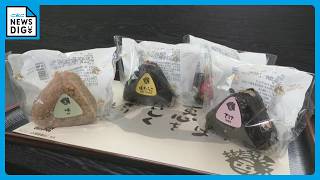
A rice ball chain based in Yokkaichi, Mie Prefecture, is feeling the effects of turmoil in the Middle East through higher costs and supply shortages for packaging film and other materials essential to selling onigiri.

The global oil market could face a major supply surplus in 2027 if the United States and Iran maintain an agreement aimed at ending hostilities, the International Energy Agency said in its monthly report released on June 17.