


Quantum computing is attracting growing attention from investors as governments around the world increase support for the technology, raising expectations that it could become the next major investment theme after artificial intelligence.

Fujitsu announced its long-term management vision through fiscal 2035, unveiling plans to invest approximately 3 trillion yen over the next decade in growth businesses centered on artificial intelligence, quantum technologies, and other advanced fields as it seeks to significantly boost profitability.

Japan's next-generation homegrown supercomputer, Fugaku NEXT, is being developed with a radically different strategy from its predecessors, abandoning the single-minded pursuit of the world's fastest calculation speed in favor of artificial intelligence capabilities expected to accelerate breakthroughs in fields ranging from drug development and batteries to disaster prevention and food production.

U.S. technology giant Oracle announced it will invest approximately 1.2 trillion yen in Japan’s artificial intelligence and cloud sectors, marking the latest in a series of large-scale investments by foreign firms.
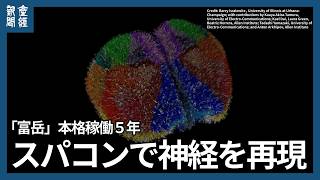
Five years have passed since Japan’s flagship supercomputer Fugaku, based in Kobe, began full-scale operations, achieving a series of breakthroughs by simulating complex phenomena on a massive and highly precise scale, ranging from the formation of galaxies to the behavior of nerve cells.

A new Japan–US collaboration on next-generation semiconductors is set to get underway, as SAIMEMORY, a semiconductor memory startup established by SoftBank, has signed an agreement with US chipmaker Intel to jointly pursue the commercialization of next-generation memory, TV Tokyo has learned.

A new chapter is emerging in the race for AI semiconductors, as a Japanese startup founded by former PlayStation chip engineers sets its sights on challenging industry giant Nvidia with a radically different approach to processor design.

Fujitsu and US semiconductor giant Nvidia announced that they will expand their collaboration in the field of artificial intelligence, aiming to accelerate the practical use of AI across industries.

Children at KidZania Fukuoka in Fukuoka City began a limited-time workshop on September 10th to learn about quantum computers, often described as next-generation machines capable of tackling complex calculations at speeds beyond conventional systems.

Fujifilm plans to put into practical use by fiscal 2028 an artificial intelligence system that automatically generates diagnostic reports based on medical images. The AI will analyze images, identify organs or potential diseases, and instantly draft reports that doctors can then review and edit as needed.

Japan’s deep-rooted love for tuna, one of the world’s most consumed fish in the country, is entering a new phase—powered by artificial intelligence.

Here are nine noteworthy updates in the world of generative AI.

A new AI system capable of quickly identifying vulnerabilities in corporate networks against cyberattacks has been developed.

A new initiative using 'generative AI' to combat the increasing incidents of special fraud has been unveiled.
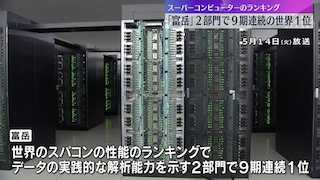
The supercomputer 'Fugaku' has achieved the world’s top ranking in two categories for the ninth consecutive term.

Kyoto, the ancient capital bustling with tourists, has commenced a special exhibition of cultural properties at 15 temples and shrines, allowing visitors a rare glimpse into normally private cultural assets, deepening the appreciation of their historical significance.

In the Women's Basketball W League playoffs final on the 15th, Fujitsu triumphed over Denso with a score of 89 to 79, securing their second victory and clinching their second championship title, the first in 16 years.

Major electronics manufacturers are collaborating to establish a platform aimed at commercializing quantum computing.

UK Prime Minister Rishi Sunak has announced new legislation to overturn the convictions of postmasters wrongfully accused of embezzlement following the discovery of flaws in an accounting system provided to post offices by Fujitsu.

Fujitsu is trialling its new dog office until the end of the year at its building in Kawasaki, about a half an hour by train from central Tokyo, as a way to improve employee well-being and productivity. (Bloomberg)

Few of us will associate Japan with a vibrant crypto scent - but Japan is one of the many countries that took a proactive approach towards fostering Web3 after realizing its potential worldwide. (Economic Times)

Japan's Digital Agency will be investigated over the My Number national identification system after a number of IDs were erroneously registered with the information of other people, the government said Friday. (Japan Today)

Japanese technology group Fujitsu has launched a platform that lets companies use its artificial intelligence technologies for free, aiming to explore new services by encouraging trial use in a variety of fields. (Nikkei)

Trust Japan to get a supercomputer to predict heavy rain and other natural disasters like landslides and flooding. (interestingengineering.com)

Japan's armies of "salarymen" were famous for spending endless hours at the office. Now, one tech giant is trying to make the experience more cuddly by allowing in pets. (New Straits Times)