



Tokyo stocks fell on October 2, with the Nikkei 225 closing at 68,309, down 647 points, as investors took profits after the previous day’s sharp rally and turned cautious ahead of U.S. employment data, rising global bond yields and renewed concern over energy prices.
TOKYO - Tokyo stocks fell on September 29, with the Nikkei 225 closing at 65,481, down 396 points, as the September-end ex-dividend adjustment, U.S. stock weakness, higher bond yields and oil-related inflation concerns weighed on investor sentiment.
Toyota Motor's global vehicle sales fell 6.4% from a year earlier to 790,743 units in August, marking the second consecutive month of year-on-year declines as high gasoline prices linked to the Middle East crisis continued to weigh on demand for gasoline-powered vehicles in China.

Tokyo stocks fell on September 29, with the Nikkei 225 closing at 65,481, down 396 points, as the market adjusted for September interim dividends and investors remained cautious over high Japanese bond yields, a weak yen, oil prices and profit-taking after the recent rebound.

Tokyo stocks fell on September 28, with the Nikkei 225 closing at 65,878, down 486.58 points, as an early rally above 67,000 faded into profit-taking despite dividend-related buying and continued support for banks and insurers.
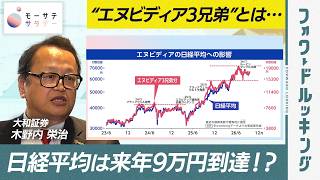
Tokyo stocks head into September 28 with the Nikkei 225 sitting at 66,364 after a five-session winning streak, as investors weigh strong artificial intelligence and semiconductor momentum against dividend-related trading, a weak yen, high bond yields and lingering uncertainty over the Bank of Japan’s next move.

The 20th Asian Games started on September 19 in Nagoya, Japan. The extensive competition program features many popular sports, ranging from athletics and football to cricket and martial arts.

Japan's benchmark long-term interest rate climbed to 3.115% during trading, reaching its highest level in nearly 30 years for the second consecutive day as persistent inflation concerns and expectations of further interest rate hikes fueled selling in government bonds.

Tokyo stocks rose strongly on September 25, with the Nikkei 225 closing at 66,364, up 850 points, as buying in semiconductor and artificial intelligence-related shares combined with demand for dividend-paying financial stocks ahead of the September 28 interim dividend deadline.

Japan celebrated two landmark performances on Day 6 of the Aichi-Nagoya Asian Games on September 24, with the men's table tennis team defeating China 3-2 to claim its first gold medal in 60 years and 17-year-old swimmer Shin Ohashi breaking the men's 200-meter breaststroke world record.

Tokyo stocks rose on September 24, with the Nikkei 225 climbing to 65,647, up 628 points, as investors returned from the Silver Week break with renewed appetite for artificial intelligence and semiconductor-related shares, while the broader TOPIX edged lower as value and financial stocks came under pressure.

Japan collected another 12 medals on Day 3 of the Aichi-Nagoya Asian Games on September 21, with 17-year-old swimmer Shin Ohashi and karateka Kakeru Nishiyama winning gold, while the host nation also advanced strongly in women's volleyball, baseball, soccer, handball and hockey.

Tokyo stocks rose sharply on September 18, with the Nikkei 225 climbing to around 65,350 in afternoon trading after the Bank of Japan raised interest rates to 1.25%, as the yen weakened and investors bought artificial intelligence and semiconductor-related shares.

Tokyo stocks rose on September 17, with the Nikkei 225 closing at 64,136, up 213.25 points, as investors bought selected technology, pharmaceutical, insurance and consumer-related shares after the Federal Reserve’s rate hike, though gains were capped by a stronger dollar, renewed yen weakness and caution before the Bank of Japan’s policy decision.

Tokyo stocks rose on September 16, with the Nikkei 225 closing at 63,923, up 438.90 points, as futures-led buying lifted the index into a high close before the Federal Reserve’s policy decision, while investors remained cautious over oil prices, rising interest rates and the Bank of Japan’s meeting later this week.

Tokyo stocks ended almost unchanged on September 15, with the Nikkei 225 closing around 63,485, down about 8 points, as a rebound in SoftBank Group and selected artificial intelligence-related shares offset caution over oil above $107, rising bond yields and this week’s Federal Reserve and Bank of Japan policy meetings.

Tokyo stocks were mixed on September 14, with the Nikkei 225 closing at 63,499, down 511.89 points, as selling in artificial intelligence and semiconductor-related shares weighed on the headline index, while the broader TOPIX rose 32.88 points to 4,061.18 on buying in value, defensive and domestic-demand shares.

Japan's corporate goods prices rose 7.6% in August from a year earlier, remaining above 7% for a third consecutive month as escalating tensions in the Middle East pushed up prices for petroleum, coal and chemical products.

Tokyo stocks fell sharply on September 11, with the Nikkei 225 closing at 63,442, down 2.8%, as oil prices above $108, renewed Middle East tensions, U.S. rate-hike fears and expectations for another Bank of Japan increase triggered a broad selloff led by artificial intelligence and semiconductor-related shares.

Tokyo stocks fell sharply on September 11, with the Nikkei average at one point dropping more than 2,000 points as escalating attacks between the United States and Iran drove oil prices higher and intensified concerns about inflation and corporate earnings.
Tokyo stocks edged lower on September 10, with the Nikkei 225 closing at 65,143, down 0.19%, as gains in selected semiconductor and electronic-component shares faded under pressure from oil above $100, rising global bond yields and expectations that the Bank of Japan may raise rates next week.

Tokyo stocks edged lower on September 9, with the Nikkei 225 closing at 65,143, down 126.55 points, as a stronger yen and crude oil’s move toward $100 outweighed support from selected artificial intelligence and semiconductor-related shares.

Tokyo stocks fell sharply on September 8, with the Nikkei 225 closing at 65,269, down 1,130.51 points, or 1.70%, as a sudden surge in the yen hit exporters and forced investors to reassess the impact of faster Bank of Japan tightening on corporate earnings, equity valuations and the broader economy.

Tokyo stocks rose sharply on September 7, with the Nikkei 225 closing at 66,399, up 1,378 points, or 2.12%, as buying in artificial intelligence and semiconductor-related shares lifted the headline index, even though more stocks fell than rose across the Prime Market.

Night trains are making a comeback across Japan, with railway operators introducing new overnight services and even experimenting with overnight Shinkansen trains as demand grows for alternatives that combine transportation, accommodation and the experience of traveling through the night.