


Japan’s recent decision to ease visa requirements for Chinese tourists has sparked mixed reactions, with some expecting an influx of visitors and others arguing that the impact will be limited.

The average price per Valentine's Day chocolate stands at 418 yen, marking a 5.8% increase from 2024, according to Teikoku Databank, with chocolates from international brands averaging 435 yen per piece, 35 yen higher than Japanese brands.

The signing of a presidential order imposing a 25% tariff on imports from Canada and Mexico by U.S. President Donald Trump has sent shockwaves through the markets, with the Nikkei Stock Average plunging sharply on February 3rd. Concerns are mounting over the impact on the Tokai region’s auto industry, a key pillar of the local economy.

Actor Shunsuke Daito explores the craftsmanship of his hometown, Sakai, Osaka, in Discovery! Tekuteku Learning.
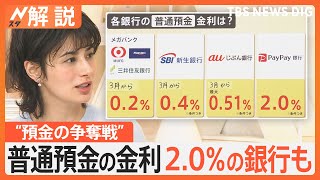
Banks are engaged in an intense battle to attract deposits, pushing interest rates higher. While savings account holders may benefit from increased interest earnings, rising rates also mean heavier mortgage burdens and potential rent hikes.

The world's two largest electric vehicle makers want to make bigger inroads into Japan's struggling EV market. America's Tesla and China's BYD both have plans to roll out new SUVs in April. (NHK)

Japan is facing an unprecedented rice shortage, with recent data highlighting alarming supply-demand imbalances in the domestic market. The Agricultural Newspaper reported on January 10 that the DI (Demand-Supply Index), a measure of rice market balance, reached a record high of 80. This figure indicates a critical shortfall in rice availability, surpassing even last year's levels when supermarket shelves were emptied.

The rapid evolution of artificial intelligence (AI) is transforming society and becoming an indispensable part of daily life. How should we engage with AI and learn to coexist with it? Author Keiichiro Hirano and philosopher Akiko Suzuki, an emeritus professor at Kyoto University, exchanged views on this pressing issue.

The Tokyo stock market opened its first trading session of the year with a sharp decline, raising concerns about the state of Japan’s economy in the months ahead. The Nikkei average fell by more than 600 yen at one point compared to the previous year-end, a disappointing start for investors hoping for an optimistic beginning to 2025.

In 2025, all members of the postwar baby boomer generation will reach the age of 75 or older, becoming what is categorized as late-stage elderly. The sudden surge in people requiring care has raised concerns over the so-called "2025 Problem," posing a serious challenge to caregiving services.

Sharp announced on December 20th that it will sell part of its Sakai factory, which previously produced LCD panels for televisions, to SoftBank for approximately 100 billion yen. SoftBank plans to use around 60% of the factory’s site, equivalent to about 450,000 square meters, to construct a large-scale data center aimed at advancing generative AI development.

Season’s strongest cold wave is causing a sharp increase in snowfall, particularly in northern Japan. Heavy snow is expected to continue until December 15th, with potential disruptions to transportation.

An annual opinion poll shows that more than 87 percent of Chinese have negative views of Japan, up sharply from last year and the second-highest rate recorded. (NHK)
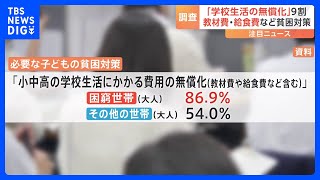
A large-scale survey conducted by an organization supporting economically challenged families raising children revealed that nearly 90% of respondents in struggling households hope for measures to make school-related expenses for elementary, junior high, and high schools free.

"Harris is merely the runner-up; her media 'cheerleaders' are licking their wounds and will take longer to recover. After all, they were the ones who worked hardest to bring down Trump—yet, after eight years of effort, they’re weaker and more embarrassed than ever before," wrote Elle Purnell, an editor at The Federalist and one of the few traditional media figures who staunchly support Trump.

Ginzan Hot Springs in Yamagata, known for its Taisho-era charm, is now at peak season for autumn foliage. While this secluded onsen town is a well-known destination in the Tohoku region, an influx of foreign tourists has led local officials to implement restrictions on day visitors starting next month.

Rakuten Group reported an operating profit of 500 million yen for the quarter from July to September, marking a sharp turnaround from last year’s 54.4 billion yen loss and achieving its first quarterly profit in nearly four years.

The Japanese yen is one of the most traded currencies in the world and is a major player in forex.

China is currently experiencing an unprecedented pet boom, with Japanese companies seizing the opportunity to promote pet-related products.

During the regular Diet session in 2024, the Japanese government amended the Basic Law on Food, Agriculture and Rural Areas for the first time. The Basic Law was promulgated in 1999 and is the so-called ‘constitution of agricultural policy’ in Japan. (East Asia Forum)
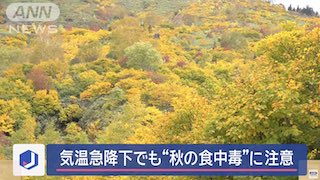
A sharp drop in temperatures has marked the sudden arrival of the autumn travel season in Japan.

Under Prime Minister Ishiba’s new economic policy, termed "Ishibanomics," what will happen to prices, wages, and ultimately, our daily lives? Ishiba's unusual remarks on interest rates have caused stock market volatility, leaving many to question the future direction of the government's economic policies.

Illustrator and satirical artist Shōji Yamatō passed away on Monday morning due to natural causes. He was 87 years old. In his renowned column for the Weekly Asahi, which started in 1976, he became famous for his distinctive caricatures of politicians and public figures, gaining popularity through his sharp social satire.

Apple had been counting on new artificial intelligence features to make the iPhone 16 a major hit. But pre–sale estimates point to a more muted early response than Apple had hoped. (CNN)

The village of Onna in Okinawa has recorded the highest land price increase in Japan, with prices for some areas rising by 29%. The average nationwide land price has increased by 1.4% for the third consecutive year, but the sharpest growth is seen in residential areas like Onna Village.
Pages: [<<] ... 9 10 11 12 13 14 15 16 17 18 19 20 21 22 23 ... [>>]