



Tokyo stocks ended mixed on September 3, with the Nikkei 225 closing at 64,214.48, down 111.16 points, as uncertainty over interest rates and currencies kept pressure on risk assets, while the broader TOPIX rose 0.5% to 4,102.04.

Tokyo stocks fell sharply on September 2, with the Nikkei 225 closing at 64,325.64, down 1,889.70 points, as renewed U.S. strikes on Iran sent oil prices higher, pushed bond yields up globally and triggered heavy selling across semiconductor, technology and export-related shares.

Tokyo stocks ended mixed on September 1, with the Nikkei 225 closing at 66,215.34, down 96.59 points, or 0.15%, as rising bond yields and weakness in semiconductor shares weighed on the index, while the broader TOPIX rose 25.57 points, or 0.62%, to 4,181.86 for its ninth straight gain.

Tokyo stocks ended mixed on August 31, with the Nikkei 225 closing at 66,311.93, down 93.63 points, or 0.14%, after briefly plunging more than 1,500 points in early trading, while the broader TOPIX rose 9.58 points, or 0.23%, to 4,156.29 for its eighth straight gain.

Tokyo stocks rose on August 28, with the Nikkei 225 closing at 66,405.56, up 273.58 points, or 0.41%, as information-technology, software, automaker and selected semiconductor-related shares gained after a U.S. technology rally, while investors remained cautious before Federal Reserve Chair Kevin Warsh’s Jackson Hole speech.

Tokyo stocks slipped on August 27, with the Nikkei 225 closing at 66,131.98, down 130.18 points, as early buying in artificial intelligence and semiconductor-related shares following Nvidia’s strong earnings forecast faded into profit-taking, while the broader TOPIX edged higher for a sixth straight session.
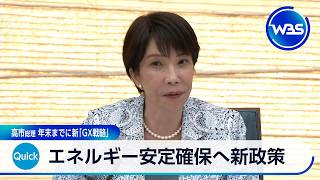
Japan has drawn up a new policy package aimed at strengthening energy security in response to developments in the Middle East, including support for alternative oil pipelines that would bypass the Strait of Hormuz and greater use of nuclear power to reduce dependence on fossil fuels.

Tokyo stocks rose on August 26, with the Nikkei 225 closing at 66,262.16, up 405.73 points, or 0.62%, as investors bought back selected semiconductor and financial shares, although trading was thin ahead of Nvidia’s earnings and uncertainty remained over artificial intelligence valuations, the yen and Bank of Japan policy.

Tokyo stocks fell on August 25, with the Nikkei 225 closing at 64,980.53, down 0.8%, as investors sold semiconductor and electronics shares ahead of Nvidia’s earnings while a weak yen, elevated bond yields and renewed U.S. pressure on Iran kept risk appetite subdued.
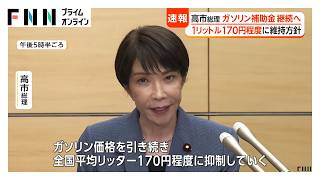
Prime Minister Takaichi said the government will continue using subsidies to keep the nationwide average gasoline price at around 170 yen per liter, drawing on reserve funds set aside to respond to developments in the Middle East.
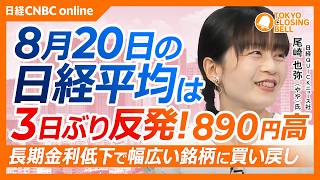
Tokyo stocks rebounded on August 20, with the Nikkei 225 closing at 66,216.79, up 890.37 points, or 1.36%, as gains in U.S. equities, a sharp rally in South Korean semiconductor shares and easing global bond-market stress encouraged investors to buy back Japanese shares after two days of heavy selling.

All Nippon Airways has come under criticism over a new three-tier domestic fare system introduced from May 19, with complaints over seat assignments and reports that some passengers booked on the cheapest fares were unable to board their scheduled flights, prompting ANA to consider changes as it seeks to improve the profitability of a domestic network where about 60% of routes are in the red.
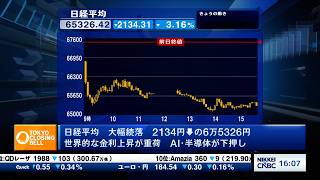
Tokyo stocks fell sharply on August 19, with the Nikkei 225 closing at 65,326.42, down 3.2%, its lowest finish since August 4, as renewed selling in artificial intelligence and semiconductor-related shares combined with rising bond yields, higher oil prices and geopolitical concerns to trigger a broad risk-off move.
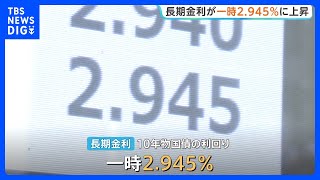
Japan's benchmark long-term interest rate briefly rose to 2.945% as government bonds were sold on August 18, reaching a fresh high not seen in about 30 years as uncertainty in the Middle East pushed up crude oil futures and fueled expectations that inflation could accelerate.

Tokyo stocks rose on August 17, with the Nikkei 225 closing at 69,220.25, up 506.45 points, as buying in artificial intelligence and semiconductor-related shares outweighed weaker-than-expected economic growth, rising bond yields and renewed concern over household spending.

Tokyo stocks rose on August 17, with the Nikkei 225 closing at 69,220.25, up 506.45 points, as buying in artificial intelligence and semiconductor-related shares outweighed weaker-than-expected economic growth, rising bond yields and renewed concern over household spending.

All Nippon Airways said on August 12 that it will lower fuel surcharges added to international airfares for tickets issued from September, following a temporary easing in fuel prices after a sharp rise linked to worsening conditions in the Middle East.
Tokyo stocks rose on August 13, with the Nikkei 225 advancing to 68,601.21, up 1.6%, as semiconductor and artificial intelligence-related shares followed Wall Street higher, while the broader TOPIX climbed to a record high despite continued concern over wholesale inflation, the yen and Bank of Japan rate-hike expectations.
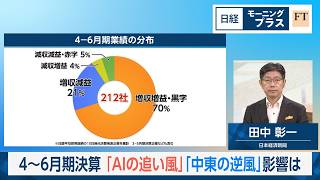
Japanese companies delivered stronger-than-expected earnings for the April-June quarter, with artificial intelligence-related demand lifting a broad range of businesses while instability in the Middle East and higher resource prices emerged as key headwinds.

Hiroko Saito was 19 years old when she left Japan for North Korea in June 1961 with her Korean husband and their one-year-old daughter, persuaded by assurances that they were heading to a "paradise on earth" and that she could return to Japan after three years. Instead, she would spend four decades in North Korea, enduring chronic hunger, the deaths of her husband and children and a desperate struggle to survive before finally escaping and returning home in 2001.
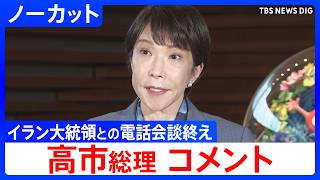
Prime Minister Sanae Takaichi held a telephone call with Iranian President Masoud Pezeshkian on August 12, urging an early easing of military tensions in the Middle East while stressing the importance of free and safe navigation through the Strait of Hormuz without additional costs.

Tokyo stocks rose on August 10, with the Nikkei 225 closing at 66,376.25, up 1.2%, as investors bought electronics, metals and artificial intelligence-related shares, while fresh signs of a more hawkish Bank of Japan debate kept attention on the yen, bond yields and the timing of the next rate increase.

Prime Minister Sanae Takaichi’s economic strategy faced renewed pressure on August 7 as attention shifted toward the Bank of Japan’s September policy meeting, with central bank officials preparing a series of public appearances that could signal whether another interest-rate hike is becoming likely after recent yen turmoil and fiscal concerns.

Japan's Obon travel rush reaches its outbound peak on August 8 with severe disruption continuing in Okinawa, where Typhoon No. 13 has forced widespread flight cancellations and suspended local transportation even as airlines prepare special services to begin clearing stranded passengers later in the day.

Tokyo stocks ended slightly lower on August 7, with the Nikkei 225 closing at 65,606.71, down 76.55 points, or 0.12%, as selling in chip-related and artificial intelligence-linked shares outweighed solid buying in the broader market and a late recovery led by Fujikura.