



Japan, known as one of the world’s longest-living nations, is seeing its elderly population continue to grow, with people aged 65 and older now accounting for a record 29.3 percent of the population, an increase of around 20,000 from the previous year.

Nearly three decades after the end of World War II, one man finally returned to Japan. He was Hiroo Onoda, known as the last Japanese soldier, who had remained hidden in the jungles of the Philippines for 29 years after the war ended.

As part of a postwar 80th-anniversary project titled “Passing On, Staying Connected,” this article looks back on the Battle of Okinawa through the memories of Higa Tomiko, who survived one of the fiercest ground battles of World War II by holding up a white flag, reflecting on what she saw as a seven-year-old girl who wandered alone through a devastated battlefield and the feelings she now hopes to entrust to future generations.

Osaka City–based developers have unveiled a new model of their elderly care bathing device on display at an announcement event, presenting an upgraded version of the Future Human Washing Machine that drew attention at the Healthcare Pavilion of the Osaka–Kansai Expo.

Ikuno Ward in Osaka, long known as a community shaped by Korean residents, is undergoing a significant transformation as the number of foreign nationals rises and the origins of its population diversify across roughly 80 countries. Nearly one in five of the ward’s 130,000 residents now hold foreign nationality, with recent growth driven in particular by arrivals from Vietnam and Nepal.

Japan’s cities appear filled with dental clinics, yet experts warn that their numbers may soon decline, raising concerns that the country could eventually face a shortage. Tooth decay has decreased in recent years while periodontal disease has become more common, and as these trends reshape the market, the operating environment for dental practices is deteriorating.

The amount of property left behind by deceased individuals with no legal heirs and subsequently transferred to the state reached a record 129.1 billion yen in fiscal 2024, highlighting a steady rise in unclaimed estates as Japan’s population ages.
As Japan enters what many now call the “100-year life era,” the question of how to finance a much longer old age has become unavoidable, with rising living costs and modest pensions leaving many seniors struggling to make ends meet and searching for ways to supplement their income.

As Matcha’s popularity continues to climb, with overseas shipments expanding sharply and exports increasing more than tenfold over the past 15 years as global demand strengthens. Japan is encouraging tea growers to shift production to tencha, the raw material used to make matcha. While it may seem logical that farmers should simply increase production if matcha is selling so well, growers say the reality is far more complex.

An elderly woman without a family registry was found dead from starvation in her home in Takaishi, Osaka, exposing the severe isolation faced by people who are legally “invisible” and therefore unable to access basic public support. The case highlighted deeply rooted structural issues affecting an estimated 10,000 or more individuals nationwide who, for various reasons, were never entered into Japan’s koseki system.
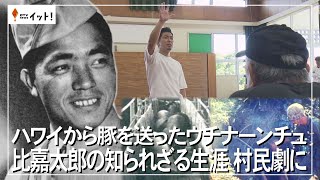
A new local production in Kitanakagusuku Village is shining a light on the little-known life of Taro Higa, the Nisei from Hawaii who led efforts after the war to send pigs to Okinawa, even as his contributions have long remained overshadowed and largely forgotten.

Condominium prices continue to surge across Japan, prompting renewed debate over whether the market will cool and how households should navigate the choice between buying and renting. A detailed analysis from housing loan comparison service MogeCheck highlights the factors driving prices upward, the limits of proposed regulations, and the shifting landscape of mortgage options.

A series of arrests involving Japanese nationals overseas is drawing renewed attention to the expansion of special fraud rings, with on-the-ground reporting in Cambodia revealing the presence of hidden power brokers whose influence is believed to extend into the country’s political establishment. As scam groups establish bases across Southeast Asia, new details are emerging about how these networks operate and why Japanese citizens have become prime targets.

After a painful divorce that nearly tore his family apart, Kenji Kataoka quit his stable job and began a new life as a sweet potato farmer in Kōka, Shiga Prefecture. The single father has spent the past two years working the fields while caring for his teenage son, Sōshi, who stopped attending school in elementary years. As the family faces its second harvest season, small changes begin to appear in their lives.

The Yaguzai dance, featuring performers spinning in midair on swings, was showcased for the first time in eight years at the Shoshi Harvest Festival in Nakijin Village, Okinawa Prefecture.
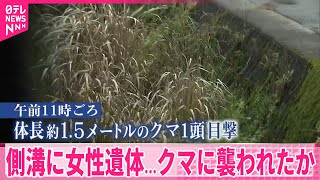
An elderly woman was found dead in a roadside ditch in Akita City on October 27th, with police investigating the possibility that she was attacked by a bear. A local resident discovered the woman lying face down in a drainage channel around 11 a.m. and called emergency services.
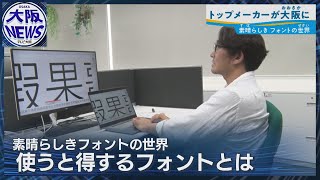
Fonts are an invisible part of daily life, yet they profoundly shape how we perceive information and emotion. From the elegant Mincho to the bold Gothic, these designs are chosen according to purpose—whether to convey clarity, trust, or impact—and their influence extends beyond readability into branding and communication.
A 38-year-old man was killed on October 24th in the village of Higashinaruse, Akita Prefecture, after attempting to rescue a couple in their seventies who were being attacked by a bear.

The number of people killed in bear attacks across Japan in 2025 has risen to nine—the highest ever recorded—prompting urgent responses from both the government and local authorities as incidents continue to spread from forests to residential areas.
A 23-year-old woman was arrested on the afternoon of October 12th in Amagasaki, Hyogo Prefecture, after she allegedly slashed the neck of an 83-year-old man with a knife inside a residential home, leading to his death shortly after.

Amid growing expectations for Liberal Democratic Party leader Sanae Takaiichi’s economic policies, stock and bond markets have seen significant movements. The question now is how her inflation-relief measures will shape people’s daily lives once implemented.

From October, a new policy has come into effect requiring some people aged 75 and over to pay 20% of their medical costs at the counter, doubling the previous burden for many elderly patients. For those living on pensions, the increased costs are squeezing already tight household budgets and fueling concern about how to manage daily life.

Osaka Prefecture has revised its ordinance to set a cap of 100,000 yen per day on ATM transfers made with cash cards by certain elderly account holders, marking the first such restriction in Japan.

Japan’s tea culture has long been woven into everyday life, but an unprecedented global boom in matcha is forcing a shift that is putting sencha, the familiar green tea, under pressure.
AI-based symptom check services are beginning to take root in Japan as clinics adopt new tools designed to guide patients more efficiently, while questions remain over potential risks.