


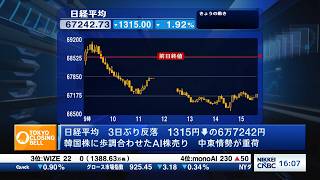
Tokyo stocks fell sharply on July 16 as renewed selling in South Korean semiconductor shares spread to Japan’s AI and chip-related names, while household inflation expectations hit a record high and kept pressure on the Bank of Japan to maintain a tightening bias.
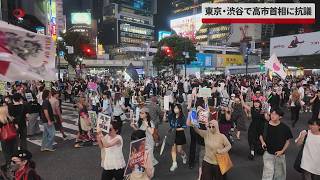
A protest against Prime Minister Sanae Takaichi was held in Tokyo's Shibuya district on July 16 as public concern grew over a bill that would impose criminal penalties for damaging the Japanese flag.

Severe heat is forecast across much of Japan on July 16, with temperatures reaching 37 degrees Celsius in Nagoya and Kofu and sudden thunderstorms threatening the Kanto-Koshin and Tohoku regions through late at night.

Prime Minister Sanae Takaichi entered the final stretch of the Diet session on July 16 facing a concentrated test of her leadership, with Imperial House legislation moving through upper house deliberations, opposition parties preparing for intensive questioning, and bond-market pressure continuing to complicate the government’s growth strategy.

Tobu Railway has introduced walk-through facial recognition ticket gates at Ikebukuro and Kami-Itabashi stations on the Tobu Tojo Line, allowing registered commuters to enter without presenting a ticket or IC card.

Tokyo's Koto Ward will distribute portable emergency toilets to all residents to help households prepare for disasters and prevent health problems when regular sanitation systems become unusable.

Beauty influencer and businesswoman Reika Miyazaki was sentenced on July 15 to two years and six months in prison, suspended for four years, for evading about 157 million yen in taxes, while her company was fined 40 million yen.

Japan's core machinery orders fell 12.4% in May from the previous month to 962 billion yen, marking the first decline in two months, the Cabinet Office said on July 15.

The Ministry of Economy, Trade and Industry said it will provide up to approximately 159 billion yen in subsidies to Israel-based chipmaker Tower Semiconductor to expand production capacity at facilities in Niigata and Toyama prefectures.

Officials from the Liberal Democratic Party and the Japan Innovation Party have agreed to adopt the Katsuragawa plan for the Obama-Kyoto route of the Hokuriku Shinkansen extension from Tsuruga in Fukui Prefecture to Shin-Osaka.
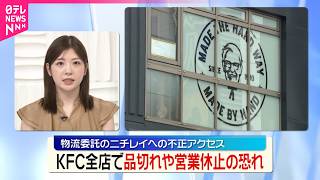
A system failure at frozen food giant Nichirei has disrupted shipments and logistics, raising the risk of product shortages and temporary closures at some Kentucky Fried Chicken restaurants while also affecting major supermarket and retail chains.

A 37-year-old gang member known in Tokyo's Kabukicho district by the nickname "Crazy" has been arrested on suspicion of robbing and injuring a teenage girl near Shinjuku Station after threatening her with what appeared to be an ice pick.

Convenience store operators in Japan are strengthening safety measures as bear-related damage grows more serious, with Lawson expanding the use of bear repellent spray and considering drone-based remote monitoring.
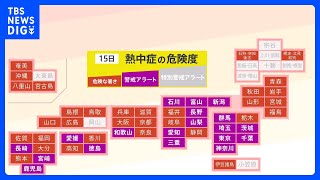
Japan's environment and weather authorities have issued heatstroke alerts for a record 19 prefectures for July 15, warning that dangerous heat is expected to create an extremely high risk of heatstroke, including the first such alerts this year for the Kanto region.

Japanese companies announced new cybersecurity services, investment products and technology initiatives on July 14, while earnings releases highlighted sharply different conditions across the housing and food-import sectors.

Fires involving lithium-ion batteries, including those used in mobile battery packs, are occurring at a record pace in Japan this year, with 179 incidents reported by the end of May, according to the Tokyo Fire Department.
Mitsubishi UFJ Financial Group became Japan's most valuable company for the first time on the Tokyo stock market on July 13, overtaking Toyota Motor as expectations grow that higher interest rates will lift bank earnings.

Japan’s breakfast market is gaining new momentum, with Starbucks launching morning offerings at some locations in May and a growing number of newcomers entering the increasingly lively sector.

Tokyo stocks rebounded on July 14 after an early fall of nearly 1,000 points, as investors bought back semiconductor and artificial intelligence-related shares while a recovery in South Korean equities and easing Japanese bond yields helped restore risk appetite.

Japan has become an unexpected base of operations for Russian intelligence agents since Moscow’s invasion of Ukraine, with spies allegedly using the country to procure and smuggle high-tech equipment and other goods to Russia, The New York Times reported on July 12.

Prime Minister Sanae Takaichi moved to contain political pressure on July 14 by confirming that she will attend intensive Budget Committee deliberations later this week, as the final days of the Diet session turned into a test of her parliamentary management, economic policy credibility and conservative legislative agenda.

Ask ten people for the best AI platform in 2026 and you get ten chatbot names. That is the wrong question.
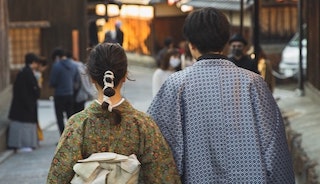
Japan’s relationship with intimate goods is far older than the modern online adult shop. Long before discreet packaging, digital payments, and private home delivery, Japanese artists, writers, merchants, and townspeople were already exploring the boundaries between desire, humor, privacy, and everyday life.

A debate over whether shorts belong in the workplace is spreading in Japan after Tokyo Governor Yuriko Koike encouraged metropolitan government employees to wear cooler clothing, including shorts, as part of efforts to cope with intensifying summer heat.

Tokyo Disney Resort will raise the maximum price of its one-day tickets from October, with adult admission to Tokyo Disneyland and Tokyo DisneySea rising by as much as 1,500 yen to 12,400 yen on selected high-demand days.
Pages: [<<] ... 24 25 26 27 28 29 30 31 32 33 34 35 36 37 38 ... [>>]