

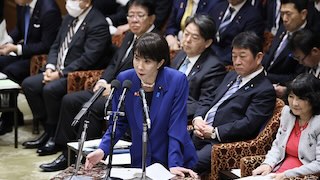
Japanese Prime Minister Sanae Takaichi has sparked uproar after declaring in parliament that a conflict in the Taiwan Strait could qualify as a “survival-threatening situation” for Japan—language that would allow Tokyo to exercise collective self-defense, including potential military action.
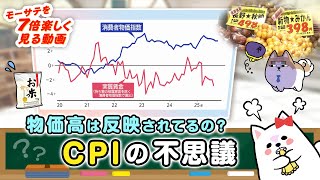
The steady rise in food prices in Japan has become unmistakable, with some items increasing by as much as 10% in September 2025, yet the overall consumer price index shows growth of only around 3%, leaving many wondering why the gap is so large and whether official data truly reflects the burden households feel.

Condominium prices continue to surge across Japan, prompting renewed debate over whether the market will cool and how households should navigate the choice between buying and renting. A detailed analysis from housing loan comparison service MogeCheck highlights the factors driving prices upward, the limits of proposed regulations, and the shifting landscape of mortgage options.

Japan’s nationwide consumer price index excluding fresh food rose 3.0 percent in October compared with the same month a year earlier, according to data released by the Ministry of Internal Affairs and Communications, with the pace of inflation expanding for the second consecutive month as the index reached 112.1 and broad-based price revisions pushed up the cost of food items across the country, including a 53.4 percent jump in coffee beans and a 40.2 percent rise in rice that continued the upward momentum seen since the autumn.

Childcare workers in Saitama, a prefecture popular among families for its convenient access to central Tokyo, are increasingly leaving for jobs in the capital due to a growing wage gap, creating deep concern in communities that border Tokyo.

China’s Communist Party–affiliated Global Times reported on its front page this morning that it had “demanded a clear explanation from the Japanese side” regarding the discussions held on the previous day, underscoring Beijing’s position that Tokyo must address the issue directly.

The three-day weekend beginning on November 22nd is expected to bring mostly clear skies across much of the country as Japan comes under the influence of a high-pressure system, with cooler air affecting only the northern regions on the first day and comfortable conditions likely to continue in eastern and western Japan.

The Real Estate Companies Association of Japan has drafted a policy that would prohibit the resale of condominium units before they are handed over to buyers, an effort aimed at curbing speculative short-term flipping that has been cited as one factor behind the sharp rise in condominium prices.

Core machinery orders — a leading indicator of private-sector capital investment — rose in September, with the Cabinet Office reporting that orders excluding ships and electric utilities climbed 4.2 percent from the previous month to roughly 920 billion yen. It marked the first increase in three months.

Nagoya’s November session of the city assembly opened with members receiving a new ordinance proposal that would prohibit the unauthorized removal of aluminum cans and other recyclable materials placed out for collection, a move prompted by a sharp rise in scavenging as soaring material prices increase the value of recovered aluminum.

Although the winter weather pattern is easing today on November 19th, bringing clear skies to some regions, forecasters warn that coastal areas may still face sudden bursts of rain, snow, and severe convection driven by rapidly developing thunderclouds.

Takaichi’s administration is moving closer to finalizing its economic package aimed at easing the strain of rising prices, with the government preparing a set of measures that include a gasoline tax cut, fresh investments across 17 priority fields and expanded subsidies for electricity and gas bills.

Japan’s traditional employment practices are once again under scrutiny as debate intensifies over so-called “do-nothing middle-aged workers,” with critics arguing that long-standing structural issues in hiring, promotion, and job assignment have allowed a segment of workers to lose motivation while remaining in secure positions.

A strong winter-pattern pressure system drove the season’s coldest air across the country on November 18th, making snow and rain more likely along the Japan Sea coast while bringing heavy snow and blizzard conditions to parts of northern Japan, with temperatures falling sharply nationwide and even areas that see sunshine experiencing a biting northerly wind.

JTB’s domestic travel and inbound tourism demand have rebounded sharply as the company’s annual revenue has surpassed 1 trillion yen, and it is now taking on a major transformation of Japan’s travel industry through a series of unconventional strategies.

A reporting team found itself face to face with a bear while investigating the sharp rise in bear-related incidents that has left 13 people dead this year.
Japan’s ruling Liberal Democratic Party (LDP) policy committee has drafted a resolution calling on the government to raise the “departure tax” to secure funds for overtourism countermeasures. The proposal seeks to increase the current 1,000 yen per-person levy to 3,000 yen, and to set the rate at 5,000 yen for travelers using business class or higher.

The Nikkei Stock Average surpassed 50,000 yen for the first time in history following the launch of the Takaichi administration, with the surge driven primarily by just a handful of AI-related stocks. But as share prices swing wildly, questions are growing over whether this market euphoria is truly sustainable.

The outlook for rice prices over the next three months has declined sharply amid expectations that an increase in new rice harvests will ease supply and demand pressures.

The Nikkei Average has surged past 50,000, yet many individual investors say their portfolios have barely moved, underscoring how narrowly led the rally has become as the NT ratio—Nikkei divided by TOPIX—climbs to a record, reflecting outsized strength in a handful of high-priced technology names while a broad swath of stocks lags behind, and even within the Nikkei 225 the gap between the strongest and weakest deciles over the past six months has widened to extreme levels, pushing the headline index higher while leaving many constituents flat.

A shortage of domestically produced lacquer, essential for restoring Japan’s cultural properties, has reached a critical point. For centuries, lacquer—or urushi—has been integral to traditional crafts and national treasures, but production has fallen sharply.

The Niseko area at the foot of Mount Yotei, about a two-hour drive from Sapporo, is now in the spotlight once again as one of Japan’s top resort destinations prepares for the peak ski season. Fueled by surging inbound demand, construction of hotels and leisure facilities is rapidly expanding across the region—but local residents are increasingly alarmed by the rise in illegal land development and unauthorized building extensions.
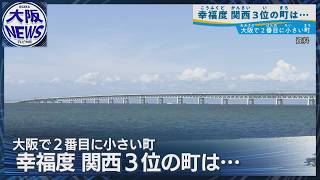
Tajiri, a town of just about 8,300 residents, has surged from 10th to 3rd place in the Kansai Happiness Ranking thanks to its strong community ties and family-focused support funded by Kansai Airport taxes.

The economic policy bannered by Prime Minister Takaichi as “Sanaenomics” is beginning to take shape, with expectations centering on lower gasoline prices and the restart of electricity and gas subsidies even as critics say the program’s substance remains unclear and insufficiently developed.

In a quiet neighborhood of Osaka stands a four-story building with around 40 rooms. Yet more than 100 companies are registered there, despite the absence of any visible workers.
Pages: [<<] ... 2 3 4 5 6 7 8 9 10 11 12 13 14 15 16 ... [>>]