News On Japan

These 7 scenic trains offer the best views of Japan

Oct 12, 2022 (cntraveler.com) - Here are seven of the very best trains in Japan, from glamorous to panoramic and plain romantic.

Kurobe Gorge Railway

The Japan Alps—the mountain ranges running along the spine of central Honshu (the country’s main island)—have long been the nation’s geographical and spiritual heart, home to shrines and sacred sites, hot springs, and traditional farmers’ villages. A trip to the region is an absolute must, and the Kurobe Gorge Railway is the perfect sightseeing train to set the mood for it.

Originally built in the mid-1950s to serve the construction of the Kurobe dam, the line operates along a winding 12.4-mile stretch that crosses the Kurobe Gorge—one of the deepest gorges in Japan—linking the stations of Unazuki and Keyakidaira. On the 80-minute ride, guests can take in views of rugged mountain landscapes and steep cliff sides, a forested ravine and the gurgling Kurobe River, as they traverse more than 20 bridges and some 40 tunnels. Different stops along the way offer plenty of opportunities to go for a hike or, why not, stop at an open-air onsen.

Tickets start at $18 (or 2,610 yen). Be aware that the train operates seasonally from late April through November, and it’s most popular in October, when the fall foliage turns the hillsides into a tapestry of reds and yellows. If you go then, bring a jacket: most of the cabins are open-sided.

Gonoline ran to side of the Sea of Japan. Vehicle Transportation Train Watercraft and Vessel

Gono Line

Running along the western coast of the Aomori and Akita Prefectures in northern Japan—a region brimming with wild nature and volcanic mountain ranges—the 91.5-mile Gono Line is an important route for residents of the area. ...continue reading

News On Japan
POPULAR NEWS

A section of wall plaster and part of a roof eave were found damaged at Himeji Castle, the UNESCO World Heritage site in Hyogo Prefecture, on June 4th, with officials investigating whether strong winds from Typhoon Jangmi (Typhoon No. 6) were responsible.

Typhoon Jangmi (Typhoon No. 6) swept across Japan on June 3rd, bringing record-breaking rainfall, widespread flooding, landslides, transport disruptions, and powerful winds, while prompting Tokyo's first-ever issuance of a Level 4 danger alert under the country's new weather warning system. The storm also exposed challenges surrounding evacuation behavior, as many residents chose not to leave their homes despite official warnings affecting more than 1.6 million people across the Tokyo metropolitan area.

A body discovered in a river in Tatsuno, Hyogo Prefecture, has been identified as 42-year-old Kenji Oyama, the suspect wanted nationwide in connection with the murder of a mother and daughter last month, police announced on June 4th.

As Typhoon Jangmi (Typhoon No. 6) struck Wakayama Prefecture on June 3rd, the storm became the first major test of Japan's newly introduced disaster weather warning system, revealing both the benefits of earlier evacuation calls and the challenges local authorities faced in helping residents understand and respond to the new alerts.

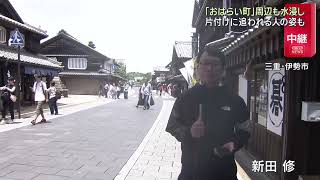
Flooding was reported around the popular tourist district of Oharai-machi in Ise City following the passage of Typhoon No. 6, with some businesses forced to clean up after floodwaters overflowed from a nearby river during the early hours of June 3rd.

MEDIA CHANNELS
         

MORE Travel NEWS

Transport services across eastern Japan were largely returning to normal on June 4th after Typhoon Jangmi (Typhoon No. 6) moved into the Pacific Ocean, with most railway lines resuming operations, airports functioning normally and airlines working to clear residual delays following a day of widespread disruption that saw nearly 900 flights canceled and major rail services suspended.

A new ferry service linking Ishigaki Island and Taiwan has begun operations, marking the return of a regular maritime route between the two destinations for the first time in 18 years.

Bear-related incidents have occurred in quick succession in Fukushima and Akita prefectures, leaving four people injured in Fukushima while authorities in Akita are investigating a suspected fatal bear attack involving a woman in her 70s.

One of Kyushu's most distinctive dining destinations, the underwater restaurant Manbo in Yobuko, Saga Prefecture, has temporarily closed after 43 years in operation as construction advances on a new and modernized replacement scheduled to open this autumn.

A veteran hunter with 42 years of experience has become the first person hired by Hokkaido as a "Government Hunter," a newly created role aimed at strengthening bear control measures and improving public safety.

Kansai Airport has completed its first large-scale renovation since opening, 24 additional stores, including a Universal Studios Japan outlet, marking the theme park's first airport store in Japan.

Osaka City will stop accepting new applications for its special-zone minpaku program on May 29 as complaints over noise, garbage disposal and other issues involving guests continue to increase.

Sanmarc Holdings is betting on Kyoto's global appeal and the growing popularity of gyukatsu among foreign tourists as it accelerates overseas expansion, with President Yuki Fujikawa positioning the beef cutlet chain as a key driver of the restaurant group's inbound tourism and international growth strategy.