News On Japan

2023年のインフレ見通し

Mar 06, 2023 (newsonjapan.com) - 2022年はここ数十年で稀に見る世界的なインフレの年だった。日本以外の多くの国がインフレ抑制のために金利を大きく引き上げたことで、昨年末からようやくインフレ低下の兆しが見えてきている。

ここ数十年で最大のインフレ

2022年はここ数十年で初めてとなる、世界的なインフレの年となった。インフレ率は消費者物価指数で表され、消費者物価指数は日本を初めほとんどの国が毎月1回発表する。消費者物価指数の数字はいろいろなウェブサイトに載っており、海外ブローカーのPortradesのサイトでもインフレ率を含めた経済指標をカレンダー形式で見られる。

しかしインフレ進行を懸念した各国中銀は昨年に政策金利を大きく引き上げた。各国の政策金利発表も同様にPortradesを含む多くのサイトで見ることができる。

インフレ抑制のためには利上げをすることがセオリーであり、利上げの効果で昨年末からようやくインフレにも頭打ちの兆しが見えてきた。
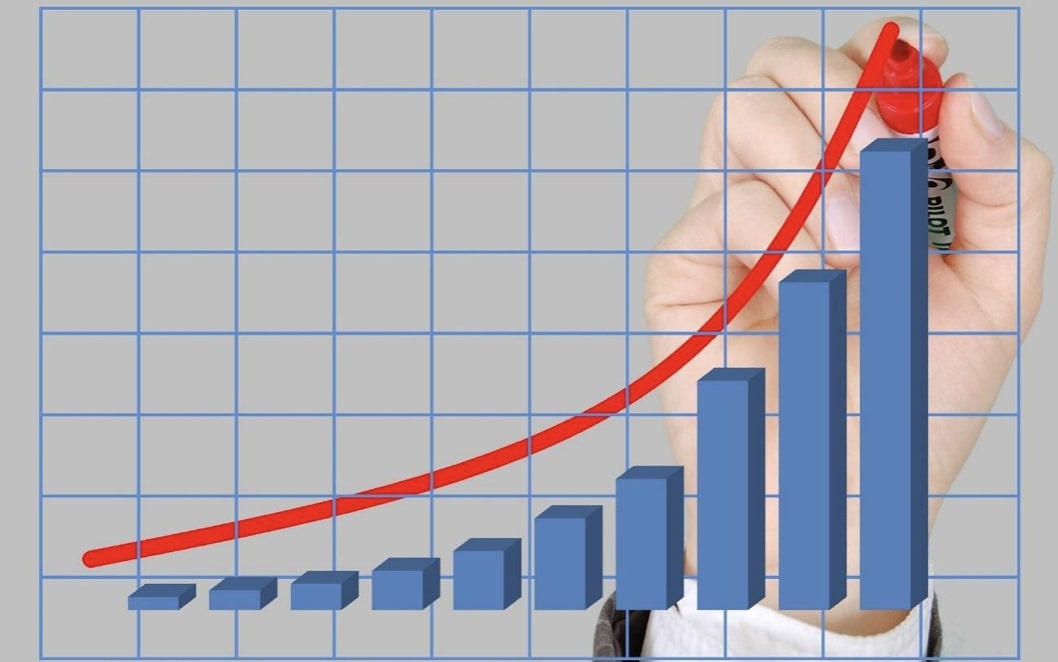
主要機関のインフレ予想は?

では日本の国内外の、2023年のインフレ率はどのように予想されているのだろうか?日銀が公表している各年度(4~3月)のインフレ率予想は、最新の数字で2022年度が3.0%だったが2023年度は1.6%とかなりの低下が予想されている。

IMF(国際通貨基金)が公表している世界全体のインフレ予想では、2022年(1~12月)のインフレは8.8%だったものの23年は6.6%と鈍化が予想されている。

一方欧州委員会のアメリカのインフレ率予想によると、2022年(1~12月)は7.9%と高かったものの2023年は3.4%と大幅低下が予想されている。

どの予測でも2023年は22年よりインフレ率の低下が予想されている。利上げの効果でインフレはかなり落ち着いてきたと見られている。

実際は予想より高い数字か

とはいえこれまで挙げた数字はあくまで予想であり、実際には終わってみるまでどうなるかわからない。おそらく全体的に公的機関の予想より高い数字になるのではないだろうか。

日銀の2022年度の予想を取っても、日本のインフレ率は昨年6月から今年1月まで8ヶ月連続で上昇しており、1月には約40年ぶりの4.2%となった。今後2~3月もさらに上昇すれば年間3.0%では終わらないだろう。

日本の2023年度も、あるいはアメリカや世界の2023年も予想通りにインフレが低下するとは限らない。昨年のインフレの大きな要因となったウクライナ紛争は、2023年になってもまだ終わっていない。エネルギーや穀物など商品先物価格が高騰したこともインフレ要因だったが、それらはまだ高止まりしておりパンデミック前の水準までは下がっていない。

公的機関の予想は外れることも少なからずあり、2023年のインフレ率も現在出ている予想よりは高い数字で終わるのではないか。
News On Japan
POPULAR NEWS

A newly formed tropical depression near Taiwan on June 9th is expected to intensify the seasonal rain front lingering over southwestern Japan, raising the risk of warning-level rainfall across Okinawa and the Amami Islands through around June 11th.

Japan's national soccer team arrived in Nashville, Tennessee, on June 8th from Monterrey, Mexico, where it had been conducting a pre-World Cup training camp, and held its first practice session at its base camp for the FIFA World Cup in North America.

A prolonged eruption at Sakurajima on June 7th blanketed parts of Kagoshima City in volcanic ash, turning roads gray and prompting long lines of vehicles seeking car washes after a plume of smoke rose 1,300 meters above the crater.

A powerful earthquake struck off Mindanao Island in the southern Philippines at 8:38 a.m. (Japan time) on June 8th, generating tsunami waves across parts of the Pacific, causing building collapses and casualties near the epicenter, and prompting the Japan Meteorological Agency to issue tsunami advisories along a wide stretch of Japan's Pacific coastline before lifting all of them at 4:50 p.m.

A clinic director and a former Peruvian staff member have been referred to prosecutors after the man allegedly performed medical procedures without a license, including an external cephalic version—a procedure used to manually turn a baby into the correct position before birth—at an obstetrics and gynecology clinic in Fukuoka City, raising concerns about patient safety and oversight in maternity care.

MEDIA CHANNELS
         

MORE Business NEWS

The Bank of Japan is increasingly expected to raise its policy interest rate to 1.0% at next week's monetary policy meeting, responding to growing concerns that inflation could rise faster than previously anticipated due to soaring oil prices and other cost pressures.

The number of restaurant bankruptcies in Japan reached a record high for the January–May period, highlighting mounting pressures from rising costs, labor shortages, and increasingly cautious consumer spending.

Casio Computer, the company behind some of Japan’s most iconic consumer electronics including calculators, digital cameras, electronic musical instruments, and the G-SHOCK watch, is pursuing a new strategy aimed at reviving its tradition of product innovation.

Nippon Steel plans to invest up to $2.5 billion, or approximately 400 billion yen, over the next three years in the Mon Valley Works steel complex in Pennsylvania, one of the key facilities operated by U.S. Steel, the American steelmaker it acquired in 2025.

Japan's economy grew at an annualized rate of 1.8% in the January–March quarter of 2026, according to revised gross domestic product (GDP) data released by the Cabinet Office, with the figure marked down from the preliminary estimate due largely to weaker-than-expected capital investment.

Japanese stocks suffered a sharp sell-off on June 8th as weakness in U.S. technology shares and growing concerns over higher global interest rates triggered widespread selling, sending the Nikkei Stock Average down 2,563.52 points, or about 3.8%, to close at 64,024.60.

Japan's current account surplus expanded 64.9% from a year earlier to 3.9078 trillion yen in April, marking the 15th consecutive month of positive balance, according to balance of payments data released by the Finance Ministry on June 8th.

Rapid inflation and the weakening yen continue to squeeze household budgets across Japan, prompting renewed debate over the country's economic policies. Former Bank of Japan Governor Haruhiko Kuroda, who spearheaded the central bank's aggressive monetary easing campaign under Abenomics, argues that the overall economy remains on a positive trajectory and that wage growth is now exceeding inflation.