News On Japan

Inflation hits hard at Summer festival stalls

TOKYO - Summer festivals returned to Japan's neighborhoods in many areas for the first time in four years following the COVID-19 pandemic, and they have brought inflation with them.

Yakisoba noodles are selling widely for 800 yen, almost double pre-pandemic prices, and kushikatsu beef skewers are commanding prices of 1,000 yen.

The cause is, of course, soaring costs.

In a Japan where price stability and deflation have been largely the norm over the past few decades, rising prices are having an impact.

Prices went up for over 25,000 food items in 2022, and that number will go past 30,000 as of October 2023, according to TEIKOKU DATABANK, LTD.

Festival store operators need to pass on the costs of gasoline or diesel to travel to the festival site and gas to keep burners going to cook foods like noodles. Energy prices are skyrocketing. On top of that there are labor costs, all of which are driving up the prices of festival fare.

Many consumers are responding by avoiding purchases from stalls and instead picking up their food and drinks from convenience stores. The days may be over when a child could take a single 500 yen coin and use it to buy a treat from a festival stall.

Stall operators are coming up with ideas to deal with the loss of customers. A source says that to ensure a certain degree of income, instead of paying festival organizers a fee of, say 50,000 yen to open a stall, they give them 50,000 yen worth of tickets to use at the stall. Organizers can then hand out the tickets to neighborhood associations, sponsors and others to be used for purchases at the stalls.

Summer festivals are a part of Japanese summers and Japanese culture, says FNN Prime Online. It seems likely that a visit to the festival is now going to need some acceptance of paying premium prices to enjoy them.


News On Japan
POPULAR NEWS

Typhoon No. 25 has left five people dead and six missing after bringing record rainfall, widespread flooding and landslides to the Kanto region, with Chiba Prefecture suffering its third major flood in just over a month and approximately 42,330 households losing power.

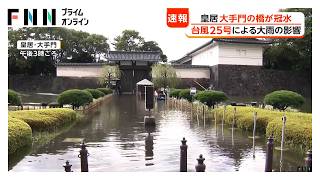
The road leading to Otemon Gate at Tokyo's Imperial Palace was flooded on September 22 after heavy rain from a typhoon caused water in the surrounding moat to overflow.

Japan came within two runs of producing one of international cricket's biggest upsets on September 22, pushing reigning T20 world champion India to the final ball before losing a rain-shortened match at Sano International Cricket Ground in Tochigi Prefecture.

Japan's Asian Games campaign continued across a packed Day 4 schedule on September 22, with the women's badminton team securing another medal, the women's basketball team completing an unbeaten group stage, and Japan adding a historic bronze medal in mixed air rifle shooting as several of the host nation's biggest medal opportunities moved into the evening.

Japan collected another 12 medals on Day 3 of the Aichi-Nagoya Asian Games on September 21, with 17-year-old swimmer Shin Ohashi and karateka Kakeru Nishiyama winning gold, while the host nation also advanced strongly in women's volleyball, baseball, soccer, handball and hockey.

MEDIA CHANNELS
         

MORE Food NEWS

For more than six decades, Sanyuken Fukasawa Branch in Tokyo's Setagaya Ward has served generations of customers with familiar Chinese dishes, as its 72-year-old second-generation owner and his wife continue to run the 14-seat neighborhood restaurant largely by themselves.

Authorities are warning people not to rely on artificial intelligence, guidebooks or internet searches to decide whether wild mushrooms are safe to eat after food poisoning cases involving toxic species, including one in which AI mistakenly identified a poisonous mushroom as edible.

Tokyo's Fuchu Prison is adapting its meals and living arrangements to a growing foreign inmate population, with about one in four prisoners coming from overseas and staff balancing religious, cultural and dietary needs against tight budgets and the demands of running one of Japan's largest prisons.

The cost of making a serving of curry rice at home in Japan fell below 350 yen in July for the first time in 11 months, helped by declining rice prices, according to Teikoku Databank.

Grape-picking season has reached its peak at tourist farms in Kashiwara, Osaka Prefecture, where hot weather from spring through summer has produced particularly sweet, richly flavored fruit this year, although prolonged rain has reduced visitor numbers and could shorten the season.

The autumn red snow crab season has opened on the Sea of Japan coast, with the first auction at Kasumi Fishing Port in Kami, Hyogo Prefecture, recording a top price of 300,000 yen for a single crab on September 4.

Japan's Environment Ministry will conduct its first survey of animal cafes, where customers can interact with animals including exotic species, as concerns grow over infection risks, injuries and the welfare burden placed on animals.

Japan byFood and Shizuka are back with Worth The Trip the series where we will discover food spots in Japan that are actually worth traveling for! This time we are going to award-winning eats around Tokyo under one rule – we can only eat for $10 or around ¥1,600 yen.