News On Japan

Death cap mushrooms sold at unmanned vending stand

SAPPORO - Toxic mushrooms were mistakenly sold at an unmanned vegetable vending stand in Sapporo which now has a sign that reads, 'Please do not eat the mushrooms left here.'

The mushrooms that were being sold at the unmanned vegetable vending stand are believed to be Amanita phalloides, commonly known as the death cap, which are deadly poisonous.

It is believed that at least one batch was purchased between 7:45 AM and 8:00 AM on September 20.

Death cap mushrooms can cause symptoms such as vomiting, diarrhea, abdominal pain, and even respiratory difficulties when consumed, with cases of death reported.

The person who left the mushrooms on the stand explained, 'I was planning to take it to the health department, so I just left it on the stand for the time being. Then, it was purchased within just 15 minutes.'

The identity of the purchaser has not been determined. Sapporo City is urging the purchaser not to consume the mushrooms."

News On Japan
POPULAR NEWS

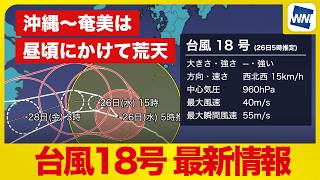
Strong Typhoon No. 18 was gradually moving away from Okinawa and the Amami Islands on August 26 after disrupting flights and bringing violent winds, rough seas and heavy rain, although Okinawa's main island and Amami Oshima remained at risk of sudden downpours, powerful gusts and waves exceeding 6 meters through around midday. As of 4 a.m. on August 26, the typhoon was located about 80 kilometers west-northwest of Okinoerabu Island and was moving west-northwest at 15 kilometers per hour.

A series of mysterious illegal dumping incidents involving about 39 kilograms of sliced bread has been reported around Mount Daisen and other parts of Tottori Prefecture in August, with officials investigating whether the food may have been deliberately placed to attract wild animals.

An 85-year-old couple have donated a combined 400 million yen to Osaka City with a request that the money be used to create a giant Myaku-Myaku statue about 20 meters tall at the former site of the Osaka-Kansai Expo, envisioning a landmark that could become a lasting symbol of the event and of renewed prosperity for Kansai and Japan.

Lawson plans to cut prices on its main line of onigiri rice balls by 10 yen from September 29 as falling rice prices begin to feed through to retail costs.

Police have established a temporary police post in the whaling town of Taiji, Wakayama Prefecture, ahead of the September 1 opening of the annual drive hunt for whales and dolphins.

MEDIA CHANNELS
         

MORE Food NEWS

Production of Asahi Ponzu, a popular seasoning that has been a fixture on Kansai dining tables for decades, has been suspended for the first time in the product's roughly 60-year history as a severe shortage of sudachi citrus exposes a deepening crisis in Tokushima Prefecture, which accounts for 98% of Japan's shipments.

Gutsu Grill Shinjuku has been serving hearty, affordable steak in Nishi-Shinjuku since 1999, attracting crowds with generous portions and a menu built around value for money. The 44-seat restaurant regularly fills up at lunchtime, with customers praising its tender meat, large servings and reasonable prices.

Lawson plans to cut prices on its main line of onigiri rice balls by 10 yen from September 29 as falling rice prices begin to feed through to retail costs.

Athletes competing in the Asian Games will be served around 370 dishes ranging from Asian-style curries and chicken dishes to Nagoya specialties such as chicken wings and kishimen noodles, with menus also designed to accommodate religious and dietary requirements.

A new type of fraud in which scammers pose as real farmers and advertise seasonal fruit at unusually low prices has been detected in the Kansai region, with police warning consumers to verify sellers through official websites before making purchases.

Shizuoka Prefecture has regained its position as Japan's leading producer of first-flush tea, overtaking Kagoshima Prefecture for the first time in two years as favorable weather and growing demand for matcha helped boost production.

Skylark Holdings is preparing to introduce "ghost restaurants" that operate without dining areas and specialize in delivery and takeout as Japan moves toward lowering the consumption tax rate on food.

Climate change is reshaping Hokkaido's fishing and agricultural industries, contributing to declining salmon and pink salmon catches while allowing crops such as sweet potatoes, once considered unsuitable for large-scale production in Japan's far north, to take root.