News On Japan

Tomato Price Surge Sends Shockwaves Through Food Industry

TOKYO - Following last year's "Egg Shock," there is now concern over the recent price increases of tomato products such as ketchup and whole tomatoes, with the term "Tomato Shock" being used by some in the restaurant industry to describe the new reality.

At a traditional Western-style restaurant in Tokyo, a popular dish made with plenty of ketchup is being prepared. The dish is omurice (omelet rice), with the ketchup's sweet and sour taste being a key flavor.

Customer: "The acidity of the ketchup is just right, and it's delicious."

"It's like the old Western-style restaurants, where simple is best."

Other dishes, such as Napolitan (spaghetti with ketchup) and hamburg steak with demi-glace sauce, also use ketchup. The restaurant uses about 10 kilograms of ketchup per day. However...

Kasahara Masahiro, Manager of Restaurant Shiratsuyu: "The purchasing price has been gradually increasing, and it's becoming quite difficult. If ketchup prices keep rising we're headed for a 'Tomato Shock.'"

In a supermarket in Tokyo, the impact on retail prices is already evident.

Gomi Mamoru, President of Super Izumi: "Products related to tomatoes are expensive. Most of them have gone up. This has never happened before."

This supermarket has raised the retail price of tomato ketchup by about 30 yen compared to last year, and the price of canned tomatoes by about 40 yen.

Several manufacturers have also announced price increases. Kagome has raised the price of household tomato ketchup by up to 16.4% and tomato juice by up to 13.6% from the February delivery. Kikkoman Foods will raise the price of Del Monte brand tomato ketchup and other products by about 7-15% from the April delivery, and sauces containing tomato as an ingredient will also see a price increase of about 5%.

The price increase of tomato products, which are indispensable to our diets, is significant. According to Teikoku Databank, about 160 items of "processed tomato products" have seen price increases this month alone.

Why are price increases happening at this time?

Fujii Shun, Director of Information Coordination Department, Teikoku Databank: "Most of the tomatoes used for processing, over 90%, are imported. The quality of the imported tomatoes was poor, and there was a low yield."

We heard from people on the street. We met a couple who both love ketchup.

Husband: "I love ketchup so much that I can eat it on its own. I usually pour it thick on my omurice."

They use up two bottles a month, but...

Husband: "It's putting pressure on the household budget. It's frustrating..."

At the supermarket...

Customer: "I buy the advertised products when they're on sale."

"I heard that the prices are going up, so I thought I'd buy a little extra than usual."

How far will the price increase of tomato products spread?

Source: NNN

News On Japan
POPULAR NEWS

Typhoon No. 25 had left four people dead and six others missing in Chiba and Kanagawa prefectures by September 22, as the storm moved away from Japan and the extent of flooding and landslide damage across the Kanto region became clearer.

Transport disruption from Typhoon No. 25 continued across Chiba Prefecture on September 22 even as flights and major highways returned toward normal, with entire sections of the JR network remaining suspended for the day and all Narita Express services canceled because of flooding, landslides and damage to railway infrastructure.

Japan came within two runs of producing one of international cricket's biggest upsets on September 22, pushing reigning T20 world champion India to the final ball before losing a rain-shortened match at Sano International Cricket Ground in Tochigi Prefecture.

Japan's Asian Games campaign continued across a packed Day 4 schedule on September 22, with the women's badminton team securing another medal, the women's basketball team completing an unbeaten group stage, and Japan adding a historic bronze medal in mixed air rifle shooting as several of the host nation's biggest medal opportunities moved into the evening.

Japan collected another 12 medals on Day 3 of the Aichi-Nagoya Asian Games on September 21, with 17-year-old swimmer Shin Ohashi and karateka Kakeru Nishiyama winning gold, while the host nation also advanced strongly in women's volleyball, baseball, soccer, handball and hockey.

MEDIA CHANNELS
         

MORE Food NEWS

For more than six decades, Sanyuken Fukasawa Branch in Tokyo's Setagaya Ward has served generations of customers with familiar Chinese dishes, as its 72-year-old second-generation owner and his wife continue to run the 14-seat neighborhood restaurant largely by themselves.

Authorities are warning people not to rely on artificial intelligence, guidebooks or internet searches to decide whether wild mushrooms are safe to eat after food poisoning cases involving toxic species, including one in which AI mistakenly identified a poisonous mushroom as edible.

Tokyo's Fuchu Prison is adapting its meals and living arrangements to a growing foreign inmate population, with about one in four prisoners coming from overseas and staff balancing religious, cultural and dietary needs against tight budgets and the demands of running one of Japan's largest prisons.

The cost of making a serving of curry rice at home in Japan fell below 350 yen in July for the first time in 11 months, helped by declining rice prices, according to Teikoku Databank.

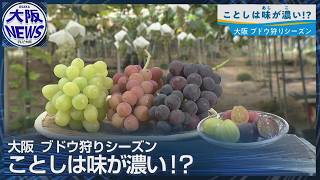
Grape-picking season has reached its peak at tourist farms in Kashiwara, Osaka Prefecture, where hot weather from spring through summer has produced particularly sweet, richly flavored fruit this year, although prolonged rain has reduced visitor numbers and could shorten the season.

The autumn red snow crab season has opened on the Sea of Japan coast, with the first auction at Kasumi Fishing Port in Kami, Hyogo Prefecture, recording a top price of 300,000 yen for a single crab on September 4.

Japan's Environment Ministry will conduct its first survey of animal cafes, where customers can interact with animals including exotic species, as concerns grow over infection risks, injuries and the welfare burden placed on animals.

Japan byFood and Shizuka are back with Worth The Trip the series where we will discover food spots in Japan that are actually worth traveling for! This time we are going to award-winning eats around Tokyo under one rule – we can only eat for $10 or around ¥1,600 yen.