samurai sword made in Japan. Many sword collectors highly regard katanas for their sharpness, durability, and rich history. That's why a real katana can cost as much as $200,000.'> samurai sword made in Japan. Many sword collectors highly regard katanas for their sharpness, durability, and rich history. That's why a real katana can cost as much as $200,000.' /> samurai sword made in Japan. Many sword collectors highly regard katanas for their sharpness, durability, and rich history. That's why a real katana can cost as much as $200,000.'>
News On Japan

How to Clean and Care for Your Japanese Samurai Sword

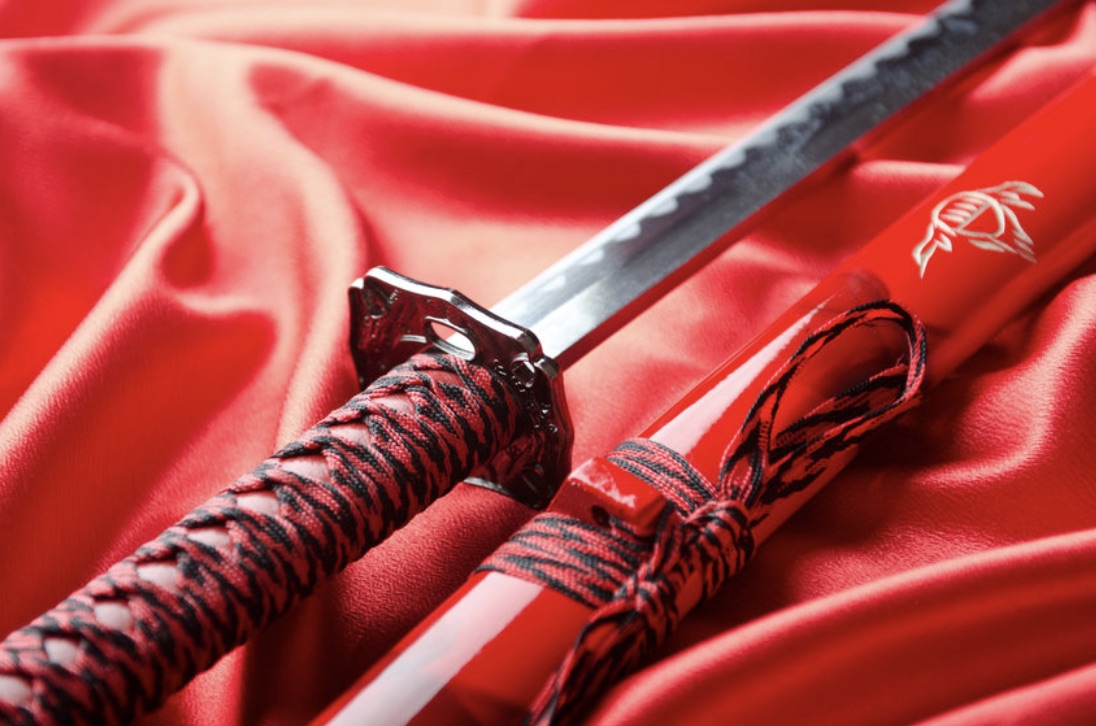
Jul 19, 2024 (News On Japan) - Japanese swords, also known as 'katanas,' are samurai sword made in Japan. Many sword collectors highly regard katanas for their sharpness, durability, and rich history. That's why a real katana can cost as much as $200,000.
How to Clean and Care for Your Japanese Samurai Sword

So, if you have a katana, it's important that you clean and take proper care of it. However, taking care of your samurai sword correctly is much harder than it seems. Fortunately, this article is here for you. Here, we'll share some expert tips that make caring for your katana easy.

Use the Right Equipment

Cleaning your katana isn’t something you should do casually to avoid damaging it. You can’t just wipe your blade off with a wet rag now and then. When cleaning a katana, you need to use the right equipment.

Use a soft cloth to wipe your blade before cleaning to remove dust and excess oil from the blade. Also, you’ll need an oiling cloth to oil your blade after cleaning. Furthermore, consider purchasing a cleaning kit designed explicitly for katanas. This kit contains most of the things you need to care for your sword.

Avoid Harsh Polishing Chemicals

Nothing beats that gleam a newly polished katana gives off. That’s why polishing your katana after cleaning is a common practice. Not only does this make the katana look good, but it also preserves its blade. Despite that, you need to polish your samurai sword judiciously.

Avoid harsh polishing materials or chemicals. These substances can degrade your blade by damaging its surface. Furthermore, strong chemicals can cause your blade to rust. So, avoid harsh polishing materials if you want your katana to last a long time.

Never Sharpen your Blade with Abrasive Materials

Another useful tip for caring for your katana is never using abrasive sharpeners or grinding wheels. Although abrasive sharpeners may sharpen your katana, they also damage your blade. You must only use Japanese water stones or whetstones to sharpen your blade.

Furthermore, avoid sharpening your blade if you don’t have the proper training. If you don’t, you may damage your blade or harm yourself. Always seek a professional to sharpen your blade.

Avoid Touching the Blade with Your Fingers

You must avoid touching your katana's blade using your fingers. Why? When you touch the blade using your fingers, your fingerprints may leave indiscernible condensation. This condensation promotes rust formation, which damages your blade.

Whenever you handle the blade, ensure you use a soft cloth, cotton gloves, or Nuguigami, a special Japanese paper.

Apply Sword Oil

Before you store your katana, it is important to apply a thin layer of non-abrasive oil to the blade after cleaning. This oil prevents oxidation and rust from forming on the blade. Ensure you wipe excess oil to prevent it from attracting dust.

Note that you must wipe off your old oil and reapply a new one on the blade now and then. If you live in a dry region and store your sword properly, you must replace the oil every three to four months. On the other hand, if you live in a humid area, you need to clean your blade and reapply the coating more often. This tip can keep authentic katana sword to last longer.

Conclusion

Whether you’re a casual katana collector or a sword expert, taking good care of your samurai sword should be your priority. However, cleaning and maintaining your katana shouldn’t be done casually. You must use the right equipment and know when to get professional assistance. When you do so, you preserve your katana and its rich history.

News On Japan
POPULAR NEWS

Typhoon No. 25 had left four people dead and six others missing in Chiba and Kanagawa prefectures by September 22, as the storm moved away from Japan and the extent of flooding and landslide damage across the Kanto region became clearer.

Transport disruption from Typhoon No. 25 continued across Chiba Prefecture on September 22 even as flights and major highways returned toward normal, with entire sections of the JR network remaining suspended for the day and all Narita Express services canceled because of flooding, landslides and damage to railway infrastructure.

Japan came within two runs of producing one of international cricket's biggest upsets on September 22, pushing reigning T20 world champion India to the final ball before losing a rain-shortened match at Sano International Cricket Ground in Tochigi Prefecture.

Japan's Asian Games campaign continued across a packed Day 4 schedule on September 22, with the women's badminton team securing another medal, the women's basketball team completing an unbeaten group stage, and Japan adding a historic bronze medal in mixed air rifle shooting as several of the host nation's biggest medal opportunities moved into the evening.

Japan collected another 12 medals on Day 3 of the Aichi-Nagoya Asian Games on September 21, with 17-year-old swimmer Shin Ohashi and karateka Kakeru Nishiyama winning gold, while the host nation also advanced strongly in women's volleyball, baseball, soccer, handball and hockey.

MEDIA CHANNELS
         

MORE Education NEWS

A groundbreaking ceremony was held in Kyoto City on September 15 for Ronald McDonald House Kyoto, a residential facility where children undergoing medical treatment will be able to stay together with their families.

Elementary school students in Fukuoka got a hands-on lesson in the importance of taxes on September 11, lifting a 10-kilogram replica of 100 million yen as part of a class designed to show how public money supports society.

Raccoons are increasingly appearing in urban areas of Japan, including residential neighborhoods near Shin-Osaka Station, raising concerns over disease, attacks on people and agricultural damage that reached about 700 million yen nationwide last year.

Japanese 15-year-olds spend an average of 2.3 hours browsing social media during their weekday free time, the shortest amount among 24 countries surveyed, according to data from the Organization for Economic Cooperation and Development.

Renovation work has begun at a hospital in Izumisano, Osaka Prefecture, as the city prepares to introduce a baby hatch for parents unable to raise their children and a confidential birth system that allows pregnant women to give birth without publicly disclosing their identities.

A disaster prevention experiment has shown how quickly a rain-soaked slope can collapse once visible cracks appear, highlighting the need for people in landslide-prone areas to evacuate before conditions become critical as the risk of disasters remains elevated through early next week.

Nearly 60% of Japanese high school students consider learning about different cultures "very important," the highest proportion among Japan, the United States, China and South Korea, according to a survey released by the National Institution for Youth Education.

The number of elderly people in Japan with no relatives to rely on is projected to rise to 4.48 million by 2050, or roughly one in nine seniors, prompting the government to create a new system under revised social welfare laws to support people with daily needs, hospitalization and arrangements after death.