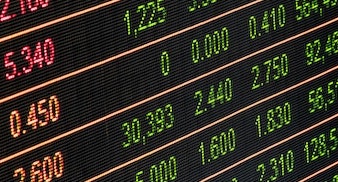
Nov 25, 2024 (News On Japan) - Japan’s trading landscape is a landscape of modern financial markets mixed with technological innovation and 400-year-old trading traditions.

Japan is one of the largest economic forces in the world in terms of size, being a very prosperous energetic place for domestic and foreign traders, based upon strong economic fundamentals, technological development, and market fluctuations.
Japan's trading environment is explored through equity markets, commodities, foreign trade, and such new ideas as carbon credits in this paper. However, Japan is not the only place for successful trading. For instance, if you want to trade in India, it’s worth checking out JM for more insights.
Japan’s Equity and Derivatives Markets
Japan’s financial markets are dominated by the backbone, that is, the Tokyo Stock Exchange (TSE) and Osaka Exchange (OSE), which are both operated by the Japan Exchange Group (JPX). 2023 was a banner year for activity on these exchanges. Domestic common stocks trading in the Prime Market achieved an average daily trading value of JPY 4.38 trillion. In contrast, the trading value in the exchange-traded fund (ETF) market amounted to JPY 65.1 trillion. With more than 419 million contracts traded, the derivatives market flourished to show growing interest on the part of investors in products such as Nikkei 225 Futures and TOPIX Futures, which follow Japan's main indices.
Japan’s response to global trends has been evidenced by launching new, innovative products such as the 3-Month TONA (Tokyo Overnight Average) Futures. This product is for traders focused on short-term interest rate movements. The latest technological innovations, especially in the Value at Risk (VaR) of the margin calculation system, enhance risk investment and increase investor confidence.
Commodities and Carbon Credit Trading
Recently, more and more things have been happening in Japan’s commodities market, particularly precious metals like gold and platinum. Due to geopolitical uncertainty and monetary demand, gold futures in the Osaka Exchange surged to 40-year highs in 2023. We saw the same in automotive manufacturing and the increased use of the metal, as supply chain issues applied in South Africa and rising prices there alike.
As a huge innovation in Japan’s trading ecosystem, Japan started up its first carbon market in 2023. This not only is consistent with global environmental goals but also with the decarbonization goals of Japan. In a week, then, the Tokyo Stock Exchange launched, and over 10,000 metric tons of carbon credits were traded. It’s a step forward for both Japan and for investors and corporate partners who want to contribute to green initiatives.
Foreign Trade and Economic Role
Being the fourth largest economy in the world, Japan is a major player in international trade. Despite being a major exporter of such high-tech goods as automobiles, semiconductors, and robots, its exports are dominated by those products while its imports are concentrated in energy resources and raw materials. External factors such as geopolitical tensions and global energy price volatility have created a situation wherein the trade balance has swung: one moment it is a deficit, the next a surplus. By 2023, the yen’s weakness contributed to the nation’s export boom but increased the cost of importing energy, a tight dynamic for policymakers.
Foreign direct investment (FDI) is also important. Japan's technological expertise, stable economy and skilled workforce make it a location to which global businesses can't help but be attracted. Japanese companies, though, are also wildly investing overseas, including in renewable energy and advanced manufacturing.
Technology and Digitalization in Trading
Digital innovation is being actively embraced by Japan's trading platforms, with blockchain and distributed ledger technology (DLT) explored for their potential to improve the infrastructure of its market. Japan is heading towards financial technology with these technologies seeking to increase security in staying out of the financial transactions.
Other e-commerce has also grown wildly such as Rakuten, and Amazon Japan. Fintech solutions' integration into e-commerce smoothens transactions and widens e-commerce access for small and medium-sized enterprises to international markets.
Regulatory Environment and Market Accessibility
Japan has also built up a regulatory framework for secure trading. It is the focus of oversight of overseas market operations of the Financial Services Agency (FSA) and also on transparency and protection of investors. Japan’s ability to adapt to the whole process of globalization is shown by the introduction of new financial products, expansion of trading hours, and devices such as the VaR margin system.
Japan’s well-developed market infrastructure and comprehensive tax treaties are of good use to foreign investors. But first-time entrants face their own challenges, including language barriers and mess complex bureaucratic processes.
Future Prospects and Opportunities
Japan’s trading ecosystem is set for further expansion. Key growth areas include:
- Sustainable Finance: The carbon credit market is expected to grow, driven by corporate decarbonization commitments.
- Technological Innovation: The adoption of blockchain and AI in trading platforms will improve efficiency and accessibility.
- Global Integration: Trade agreements, such as the Comprehensive and Progressive Agreement for Trans-Pacific Partnership (CPTPP), provide opportunities for deeper international collaboration.
Japan’s resilience and innovation make it a compelling destination for investors and traders. Whether navigating the stock market, exploring commodities, or leveraging its advanced technological infrastructure, Japan offers abundant opportunities for those willing to adapt to its unique dynamics.
For further details, consult resources like the Japan Exchange Group (JPX) and Japan External Trade Organization (JETRO), which provide insights into market trends and trade policies.