News On Japan

Fuji TV Faces Backlash as Allegations Surface Online

TOKYO - YouTuber Aoki Kanon, a former announcer, has revealed allegations of harassment by a senior official at Fuji TV. A post she shared on the social media platform X just a week ago drew widespread attention, garnered over 5 million views in just two days, sparking public outrage.

To contextualize the scale, 1% television viewership is equivalent to about one million viewers, meaning her video achieved an impact comparable to a 5% television viewership rating. In the video, Aoki delves into specific instances of harassment, including being told to "show your chest" by a Fuji TV executive. She also suggested that she may reveal the official's name, stating that the individual is still employed by the company.

The allegations have shed light on the broader issues of workplace misconduct within the television industry, which critics describe as systemic. Aoki’s video has drawn significant attention from the public and legal experts, with some speculating potential legal actions involving influential advocates.

The controversy has prompted a domino effect, with advertisers reconsidering their partnerships with Fuji TV. A popular show, Shokunin Banzai, saw a major sponsor reportedly request a suspension of commercials, despite the program not being directly implicated. The broadcaster has scheduled an emergency board meeting for January 23rd to address the growing crisis, which may include discussions about management shake-ups.

Further fueling the controversy, a magazine article published recently alleges that a prominent television personality, Nakai Masahiro, was connected to incidents of misconduct at corporate events. Reports suggest a settlement payment of 90 million yen was made to resolve one of these incidents, though details remain speculative.

The situation has reignited scrutiny of Fuji TV’s internal culture, raising concerns about power dynamics and longstanding issues of harassment in the industry. The incident has also highlighted the growing influence of YouTube and other digital platforms, which are increasingly seen as spaces for exposing hidden truths that traditional media might overlook.

Observers suggest this crisis could signal a turning point for the Japanese television industry, forcing companies to address deep-seated cultural issues and adopt greater transparency. As Aoki Kanon's revelations continue to ripple across media, the story is evolving into a larger conversation about accountability and reform in Japan's entertainment industry.

Source: おみそちゃんねる

News On Japan
POPULAR NEWS

Typhoon No. 15 (Chan-hom) began causing significant disruption to Japan's Obon holiday travel on August 11, with ANA canceling 58 flights serving Haneda and Narita airports, JAL canceling four flights, and JR East suspending some services on the Joban Line as the storm approached eastern Japan.

Typhoon No. 15 (Chan-hom) is expected to make landfall near Ibaraki Prefecture between around 6 p.m. and 9 p.m. on August 11, bringing rapidly strengthening winds, high waves and heavy rain to parts of Kanto and southern Tohoku, with unsettled weather potentially continuing even after the storm moves inland.

Japan's H3 Rocket No. 9 successfully placed the Michibiki No. 7 navigation satellite into its planned orbit after lifting off from the Tanegashima Space Center in Kagoshima Prefecture at 4:23 a.m. on August 11, marking the country's second consecutive successful H3 launch.

The Tokaido Shinkansen operated its first overnight service ahead of the Obon holiday period, offering travelers a 15,000 yen trip from the Tokyo area to Kyoto and Shin-Osaka while allowing them to save on hotel costs and arrive earlier than the first regular morning trains.

Typhoon No. 15 is expected to approach and likely make landfall somewhere in the Kanto region on August 11, bringing strong winds and heavy rain that could disrupt conventional rail services, expressways and flights while also affecting a wider area extending into Tohoku.

MEDIA CHANNELS
         

MORE Business NEWS

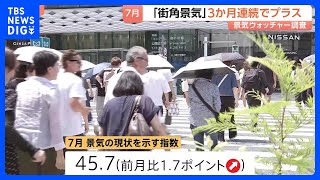
Japan's street-level economic sentiment improved for a third consecutive month in July, supported by sharply hotter weather after the end of the rainy season and the start of the summer vacation period, with stronger sales of products including men's parasols and air conditioners.

Tokyo stocks rose on August 10, with the Nikkei 225 closing at 66,376.25, up 1.2%, as investors bought electronics, metals and artificial intelligence-related shares, while fresh signs of a more hawkish Bank of Japan debate kept attention on the yen, bond yields and the timing of the next rate increase.

Japan recorded a current account deficit of 92.3 billion yen in June, its first shortfall in 17 months, as a sharp increase in import costs outpaced growth in exports.

Several Bank of Japan policymakers have signaled support for accelerating interest rate increases, with one member warning that the pace of hikes could become faster than financial markets currently expect as the central bank pays greater attention to upside inflation risks.

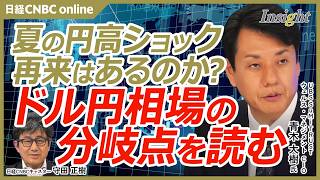
A repeat of the sharp yen appreciation seen in the summer of 2024 is unlikely under current conditions, with persistently high U.S. interest rates and continued structural pressure on Japan's currency making another rapid surge difficult, according to UBS wealth management chief investment officer Daiju Aoki.

Japanese companies delivered a wave of strong earnings on August 7, with Fujikura, Recruit Holdings, INPEX and several other major groups raising forecasts as artificial intelligence investment, higher resource prices and resilient consumer demand lifted profits.

Tokyo stocks ended slightly lower on August 7, with the Nikkei 225 closing at 65,606.71, down 76.55 points, or 0.12%, as selling in chip-related and artificial intelligence-linked shares outweighed solid buying in the broader market and a late recovery led by Fujikura.

Nippon Steel has completed a new production line at its Nagoya Works after investing about 300 billion yen, as Japan's largest steelmaker seeks to expand production of high-performance steel products primarily for automakers.