Apr 19, 2025 (News On Japan) - With over 123 million residents, this island nation ranks as the 11th most populous country in the world. Its 47 prefectures offer everything from snowy mountains to tropical beaches, making timing crucial for travelers.
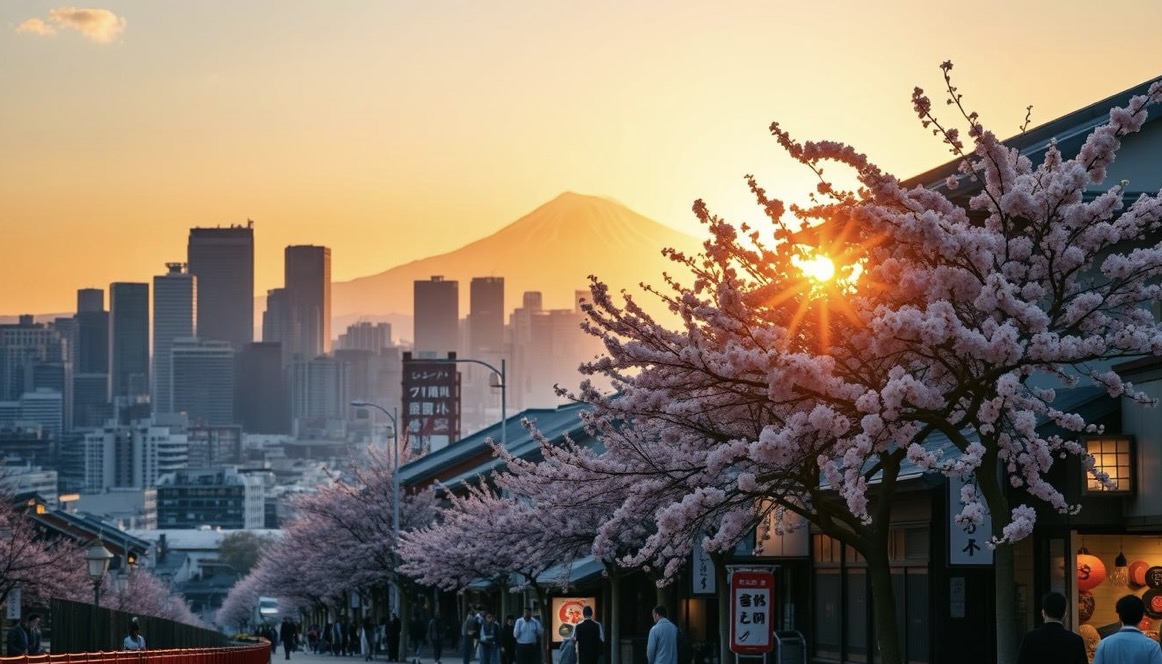
Japan’s diverse geography creates dramatic seasonal contrasts. Cherry blossoms paint cities pink in spring, while autumn transforms forests into fiery masterpieces. Summers buzz with festivals, and winter brings world-class skiing.
As a G7 member and leader in robotics, the nation blends ancient temples with cutting-edge cities. Whether chasing cherry blossoms or avoiding rainy seasons, picking the right time ensures an unforgettable trip.
So if you are wondering when to go in Japan, read the rest of this article to figure our the perfect time to visit this loving country!
Introduction to Japan’s Travel Seasons
Stretching over 3,000 kilometers, this island nation offers climates from snowy peaks to palm-lined shores. Latitude plays a key part, with Hokkaido’s subarctic winters contrasting Okinawa’s subtropical warmth. The Seto Inland Sea region enjoys gentle weather, making it a year-round favorite.
Historical records reveal fascinating change. Edo-period data shows cooler averages compared to modern temperatures. Over 200 years, urban heat islands and global shifts altered seasonal norms.
Smart travelers target shoulder seasons—April–May and October–November. 2024 tourism stats show 22% fewer crowds then, with pleasant weather. The U.S. State Department’s 2025 Level 1 advisory confirms safety for visitors during these months.
With 91.6% of people in cities, rural areas offer quieter views. Festivals and foliage draw crowds, but strategic timing unlocks serene experiences. This information helps craft a balanced itinerary.
Japan’s Seasonal Highlights
Four distinct seasons shape unforgettable travel experiences, each offering unique cultural treasures. From blooming sakura to snow festivals, timing a trip around these highlights deepens the connection to local traditions.
Spring: Cherry Blossom Season
The famed sakura zensen (cherry blossom front) sweeps northward from Kyushu in March to Hokkaido by May. Over 100 hanami spots burst into pink, with parks like Tokyo’s Ueno transforming into floral wonderlands.
For a quieter experience, head to Yoshino or Hirosaki Castle. Evening illuminations turn blossoms into glowing art, blending nature and human creativity.
Summer: Festivals and Fireworks
July’s Kyoto Gion Matsuri features ornate floats and parades, a 1,000-year-old culture showcase. August brings Obon, when families honor ancestors with lantern ceremonies.
Tokyo’s Sumida River fireworks light up the sky, drawing over a million viewers. Coastal towns like Kamakura offer beachside events with fewer crowds.
Autumn: Foliage and Mild Weather
Koyo (autumn leaves) peak in Nikko’s temples by late November. Lesser-known Tohoku routes like Oirase Gorge provide vibrant hues without the tourist buses.
Mild temperatures (60–70°F) make hiking ideal. Local services offer guided trails through maple forests and hot spring stops.
Winter: Snowscapes and Onsen
Hokkaido’s powder snow lures skiers to Niseko, while Nagano’s resorts cater to families. The Sapporo Snow Festival (February 4–11, 2025) expands with ice sculptures and night illuminations.
Soak in an 8th-century onsen after snowy adventures. Culture meets relaxation in steamy outdoor baths surrounded by frosty landscapes.
Deciding when to go in Japan is not an easy task, it may depend upon festivals you want to attend or activities you would love to try
Weather Patterns Across Japan
From icy winters to balmy coasts, climate diversity shapes trip planning. The Japan Meteorological Agency (JMA) tracks these variations, issuing warnings for typhoons and heavy snow. Travelers should monitor forecasts, especially when visiting regions with extreme conditions.
Hokkaido’s Arctic Winters
Sapporo averages -4°C (25°F) in January, with 597 cm (235 in) of annual snowfall. The government maintains snow corridors along Tateyama’s roads, ensuring access to ski resorts. Climate change has reduced snowfall by 12% since 2000, affecting local markets reliant on winter tourism.
Kyushu’s Subtropical Warmth
Fukuoka enjoys mild winters at 10°C (50°F), with only 17 cm (7 in) of snow yearly. Summer brings torrential rains, triggering flood policy upgrades. The 2025 typhoon forecast predicts 28% more rainfall, threatening UNESCO site Shirakawa-go’s thatched roofs.
Mountainous areas like Nagano use snow-melting systems, while Okinawa’s coral reefs face bleaching from rising sea temps. Packing layers and checking JMA alerts ensures safe travels year-round.
Peak Tourist Seasons and Crowds
Navigating peak travel periods requires smart planning to avoid massive crowds. During holidays like Golden Week and New Year’s, transportation and accommodations reach full capacity. Savvy travelers book early or explore quieter alternatives.
Golden Week: What to Expect
In 2025, Golden Week runs from April 29 to May 6, packing four national holidays into one stretch. Over 24 million domestic travelers hit the roads and rails in 2024—expect similar numbers. Tokyo Station sees chaos, while rural gems like Tottori’s Sand Dunes remain serene.
Shinkansen reservations open one month prior. Local businesses benefit from the tourist trade, but hotels double rates. For smoother trips, contact accommodations and rail services as early as possible.
New Year Travel Challenges
Shōgatsu (New Year) traditions shut down cities from December 28 to January 3. Trains run limited schedules, and temples overflow with visitors. Streets around Sensō-ji feel like a party, but supermarkets close for days.
Expo Osaka 2025 will spike summer crowds, drawing global media. Use JR Passes strategically—reserve seats online to bypass ticket lines. Early mornings at popular sites also beat the rush.
Budget Considerations by Season
Smart planning of when to go in Japan can be a smart choice, seasonal price swings impact travel costs more than most realize. March to May hikes hotel rates by 40–60%, while January offers 35% discounts off peak prices. Smart planning unlocks better views and deeper savings.
High vs. Low Season Costs
Tokyo’s markets surge during cherry blossom season, with ryokans costing double. Osaka stays 15–20% cheaper, thanks to fewer international tourists. For purpose-driven savings, consider business hotels or capsule pods.
The 2025 Japan Rail Pass rises to ¥70,000, but regional passes like JR Kyushu cut costs by 40%. Always check the official website for limited-time promotions.
Affordable Travel Months
June’s hydrangea tours bundle rail and entry fees, while September’s typhoon risks mean steep hotel discounts. Government-licensed services like minpaku (private lodgings) offer rooms from ¥3,500/night.
Currency trends favor USD holders (¥157.8/USD in 2025). Use apps to track real-time rates and book refundable stays during volatile periods.
Cultural Events and Festivals
Colorful parades and icy masterpieces define the nation’s most iconic cultural gatherings. From ancient rituals to modern spectacles, these *events* offer a window into regional traditions. Timing a visit around them transforms a trip into an immersive *experience*.
Gion Matsuri: Kyoto’s Living History
Dating back to 869 CE, Gion Matsuri features 32 elaborate floats called *yamaboko*. Reserved seating along parade routes sells out months ahead—book through licensed *culture* agencies. Nighttime processions illuminate silk tapestries, blending *art* and devotion.
Summer visitors should note yukata protocols:
- Rentals cost ¥3,000–¥5,000/day, including obi (sash) and sandals.
- Wear right side over left (reverse signifies funerals).
- Local shops offer same-day fittings near Yasaka Shrine.
Sapporo Snow Festival: Frozen Wonders
In 2025, the festival expands to a 2km stretch in Odori Park, featuring 200+ ice sculptures. Teams compete under strict criteria:
- Originality (30% of score)
- Technical skill (carving precision, 40%)
- Audience appeal (interactive elements, 30%)
Mark your calendar for these 2025 *events*: Sanja Matsuri (May 16–18) and Aomori Nebuta Matsuri (Aug 2–7). Each offers a unique slice of the country’s vibrant *world* of celebrations.
Regional Best Times to Visit
Different regions offer unique travel windows for the best experiences. Coastal areas like Okinawa thrive in winter, while Central Honshu’s alpine routes shine under autumn foliage. Smart timing unlocks hidden gems and avoids weather extremes.
Tokyo and Central Honshu
Tokyo’s rainy season peaks June 15–July 20, with humidity hitting 80%. Plum rains (tsuyu) bring sudden downpours, but autumn’s crisp air (October–November) rewards visitors with golden ginkgo trees. Key tips:
- Use the Hokuriku Arch Pass for unlimited access to Kanazawa and Alpine routes.
- Visit sites like Kenrokuen Garden in late November for fiery maples.
- September’s typhoon risks mean fewer crowds at Sensō-ji.
Okinawa’s Tropical Appeal
Winter averages 22°C (72°F)—ideal for escaping snow. Marine sports peak May–October, but November–April offers calm seas for diving. Local language festivals like Shurijo Castle’s Eisa dance (July) showcase Ryukyu culture.
Beyond the main islands, Shikoku’s 88 Temple Pilgrimage is mild in spring (April–May) or fall (October). The 2025 Setouchi Triennale (August–November) transforms islands into art hubs—plan around ferry schedules.
Practical Packing Tips
Smart packing makes travel smoother and more enjoyable. The right gear helps travelers adapt to seasonal changes and local customs. From spring cherry blossoms to summer humidity, each season requires specific essentials.
Spring and Autumn Essentials
Layering is key during these transitional seasons. Mornings can be cool, while afternoons warm up quickly. Pack these must-haves:
- Light jackets – Water-resistant options handle sudden rain showers.
- Comfortable shoes – Walking-friendly designs for temple visits and city strolls.
- Onsen attire – Rent or bring a yukata (cotton robe) for hot spring visits.
Summer Humidity Survival Kit
Tokyo’s summer humidity averages 80%, making breathable fabrics essential. Beat the heat with these items:
- Moisture-wicking clothing – Quick-dry materials keep travelers cool.
- Portable fan – Handheld or battery-operated for instant relief.
- Reusable water bottle – Stay hydrated while exploring.
Most hotels offer laundry services, so pack light. The Japan Official Travel App provides real-time weather updates and emergency alerts.
Smart Travel Tools
Simplify transportation and luggage with these solutions:
- IC cards – Suica or Pasmo cards grant easy access to trains and buses.
- Luggage forwarding – Compare Yamato (Black Cat) and Sagawa for door-to-door delivery.
- Regional passes – Check the official JR website for discounted options.
For emergencies, save the contact number for local tourist support centers. These tips ensure a stress-free journey with the best view of seasonal wonders.
Conclusion: Planning Your Perfect Trip
Timing a visit requires balancing weather, crowds, and personal interests. With 35 million visitors expected in 2025, early planning unlocks smoother experiences. The Japan National Tourism Organization offers multilingual tools to simplify logistics.
Match destinations to seasons—Tohoku’s summer festivals pair well with Okinawa’s winter warmth. Expo Osaka will spike demand, so book transport and hotels months ahead. Official resources like the JNTO website provide real-time updates.
Respect local customs for a richer trip. Small gestures—removing shoes or quieting phones in temples—show appreciation for culture spanning centuries. Sustainable choices, like reusable chopsticks, help preserve beauty for future years.
Whether chasing cherry blossoms or powder snow, thoughtful preparation turns dreams into unforgettable adventures. If we didn’t help you decide when to go in Japan, just take your chances and make a visit, you will not regret it!