May 06, 2025 (News On Japan) - If you’ve ever walked the streets of Bangkok or any Thai town early in the morning, you’ve probably seen them: vendors balancing rows of colorful lottery tickets, fanning them out for curious customers.
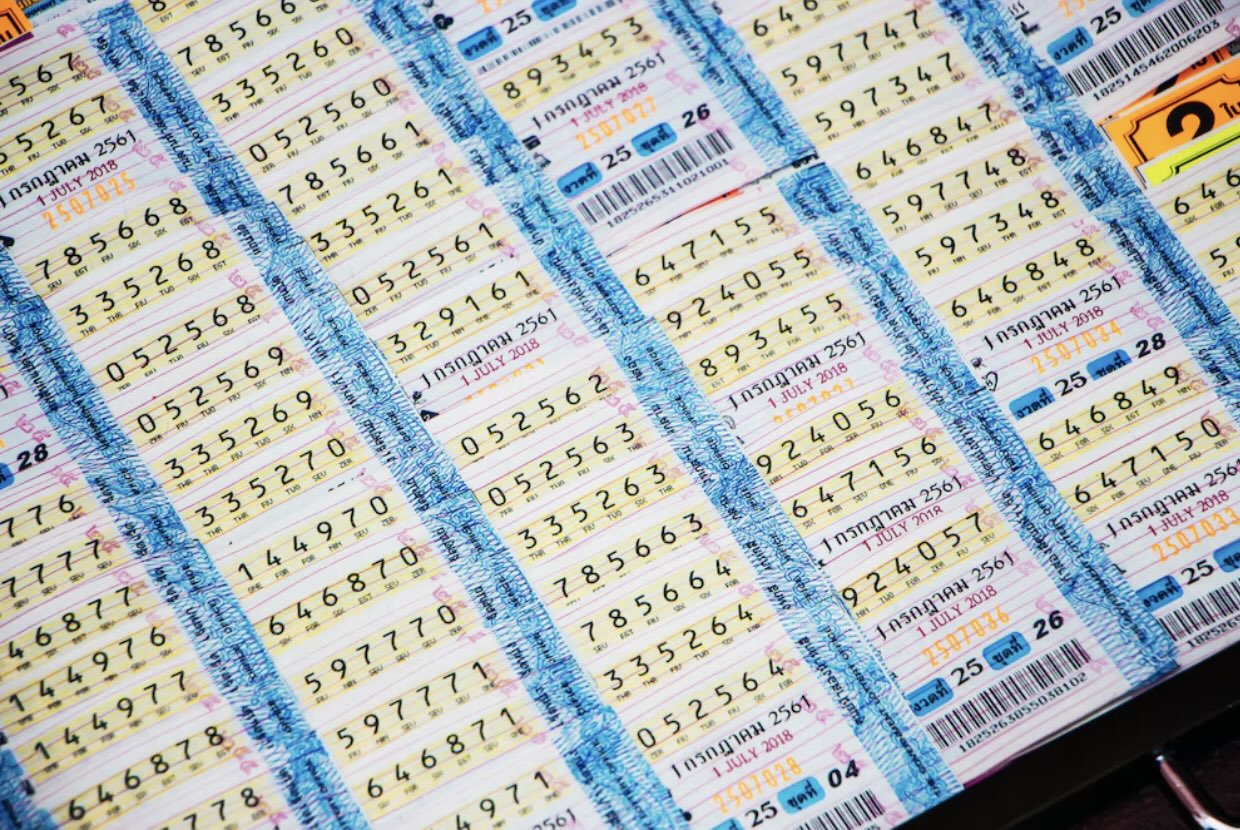
For decades, this was the heartbeat of Thailand’s lottery culture. Buying a ticket wasn’t just about taking a shot at luck—it was a ritual, a face-to-face moment, a tradition passed down through families and communities.
But fast forward to today, and things look a little different. The tickets are still here, but so are the apps, websites, and digital platforms offering the same dream of striking it rich—with a swipe and a click instead of a handshake. Thailand’s lottery culture is changing fast, moving from sidewalks to smartphones, from casual conversations with vendors to quiet bets placed online while sipping coffee at home.
In fact, it’s not uncommon now to see people trading paper tickets for digital numbers. Platforms like เว็บหวย have stepped into the spotlight, giving players a way to join in without leaving the house. It’s convenience wrapped in tradition, and it’s raising some big questions: What’s lost in the shift? What’s gained? And how exactly did we get here?
Let’s take a closer look at how Thailand’s lottery culture has evolved—and where it’s headed next.
A Quick Look Back: The Origins of Thai Lottery Love
Thailand’s love affair with the lottery didn’t start yesterday. The first official lottery dates back to the 1800s under King Rama V. It was introduced as a way to raise money for the government, but it quickly became something more. Over time, it wove itself into daily life. For many Thais, playing the lottery wasn’t just about hoping to win; it was about following lucky numbers, dreams, omens, and rituals.
Street vendors became the lifeline of this system. You’d see them at busy intersections, outside temples, near markets—smiling, chatting, holding wooden trays lined with hundreds of tickets. Some players swore by buying from the same vendor every time, believing it brought luck. Others picked tickets based on meaningful dates or numbers from dreams.
This face-to-face interaction wasn’t just transactional; it was personal. For older generations especially, the social aspect of buying a ticket was part of the fun. The vendor knew your favorite numbers. You got a story or a joke along with your purchase. It was casual, familiar, and deeply rooted in everyday life.
Enter the Internet: How Technology Started to Change the Game
Things started shifting in the early 2000s when more people in Thailand gained access to the internet and smartphones. At first, most players stuck to their familiar vendors. But soon, whispers of online platforms began to circulate. Why walk to the corner stall when you could order tickets from your phone? Why limit yourself to what’s available locally when online options opened a wider pool of numbers?
At first, trust was a big barrier. Could you really trust a website to hold your ticket? Would you get your prize if you won? Slowly, though, platforms began building credibility. Sites added security features. Reviews popped up online. Word of mouth spread. And as younger, tech-savvy players entered the lottery scene, the digital shift gained momentum.
By the mid-2010s, several online lottery platforms had carved out serious followings. They offered convenience, speed, and even perks like notifications if your numbers hit. For busy workers or people living far from major cities, this was a game-changer. You could skip the traffic, the heat, the vendor lines—and still chase the jackpot.
The Big Trade-Off: What We Gained and What We Lost
It’s easy to see the perks of going digital. Online lottery platforms make it simpler to play. You don’t have to carry around a fragile paper ticket that might get lost or ruined. You can check results instantly. You can even set up recurring bets. Everything’s streamlined, faster, and arguably safer.
But something’s missing, too. The friendly banter with a street vendor? Gone. The tactile ritual of flipping through physical tickets, feeling the paper, running your finger along the numbers? Lost. The community vibe of buying alongside others in a crowded market? Replaced by a solo moment in front of a screen.
For older players especially, this shift can feel bittersweet. Some have embraced the convenience. Others stick with their trusted vendors, not quite ready to give up the tradition for the tech. And some mix both—buying a ticket on the street when passing by, but logging in online when time’s tight.
Cultural Roots That Won’t Disappear
Despite the rise of online platforms, one thing hasn’t changed: the deep cultural ties between Thai people and the lottery. In Thailand, lucky numbers aren’t just numbers. They come from dreams, news stories, car license plates of accident victims, house numbers from significant events. Some players even visit temples to ask monks for lucky picks.
This spiritual, superstitious layer is still alive, whether the ticket is bought on the street or online. Many online platforms now include sections dedicated to sharing popular lucky numbers, dream interpretations, and number predictions. It’s proof that even as the medium changes, the meaning stays.
And while younger generations are more likely to go digital, plenty of players still rely on the old ways. During major draws, like the twice-monthly government lottery, you’ll still see vendors lining the streets, hopeful customers browsing trays, and ticket prices fluctuating based on perceived luckiness of certain numbers.
Regulation, Risks, and the Road Ahead
Of course, with new ways to play come new challenges. The Thai government has taken steps to regulate online lottery platforms to prevent illegal gambling and scams. Some platforms operate in gray areas, while others work within legal loopholes. Players have to stay sharp, making sure they’re betting on reputable, secure platforms.
There’s also the concern that online access could encourage more impulsive gambling. With tickets just a few taps away, it’s easier than ever to overspend or chase losses. Experts have raised questions about whether digital convenience might lead to riskier habits, especially among younger users.
At the same time, online platforms have the potential to innovate responsibly. Some already include features like spending limits, reminders to play responsibly, and educational materials about gambling risks. How these tools evolve will likely shape the next chapter of Thailand’s lottery culture.

A Culture in Transition
Today, Thailand’s lottery culture sits at an interesting crossroads. You’ve got vendors still faithfully showing up with their trays, offering smiles and small talk. And you’ve got platforms offering instant access, sleek apps, and push notifications. Both worlds coexist—for now.
Will one fully replace the other? Probably not anytime soon. For many players, it’s not an either-or situation. It’s both. The tradition lives on, just wearing new clothes.
In a way, the evolution of the Thai lottery mirrors broader changes happening across Thailand: a country balancing deep-rooted customs with rapid modernization. You see it in food, fashion, entertainment—and yes, in the lottery.
So whether you’re flipping through paper tickets under the sun or scrolling for numbers on your phone, the dream remains the same. The hope of a lucky break. The thrill of possibility. The fun of imagining how life might change with one winning number.
And really, that’s a tradition that no technology can replace.