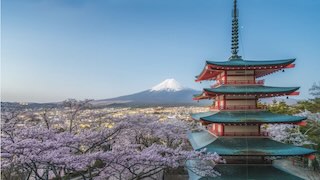
Sep 05, 2025 (News On Japan) - Japan's tourism sector is on a remarkable upswing, with international visitors returning to the country in droves. In the first half of 2025 alone, over 18 million tourists arrived, signaling a resurgence after the challenges of the pandemic.
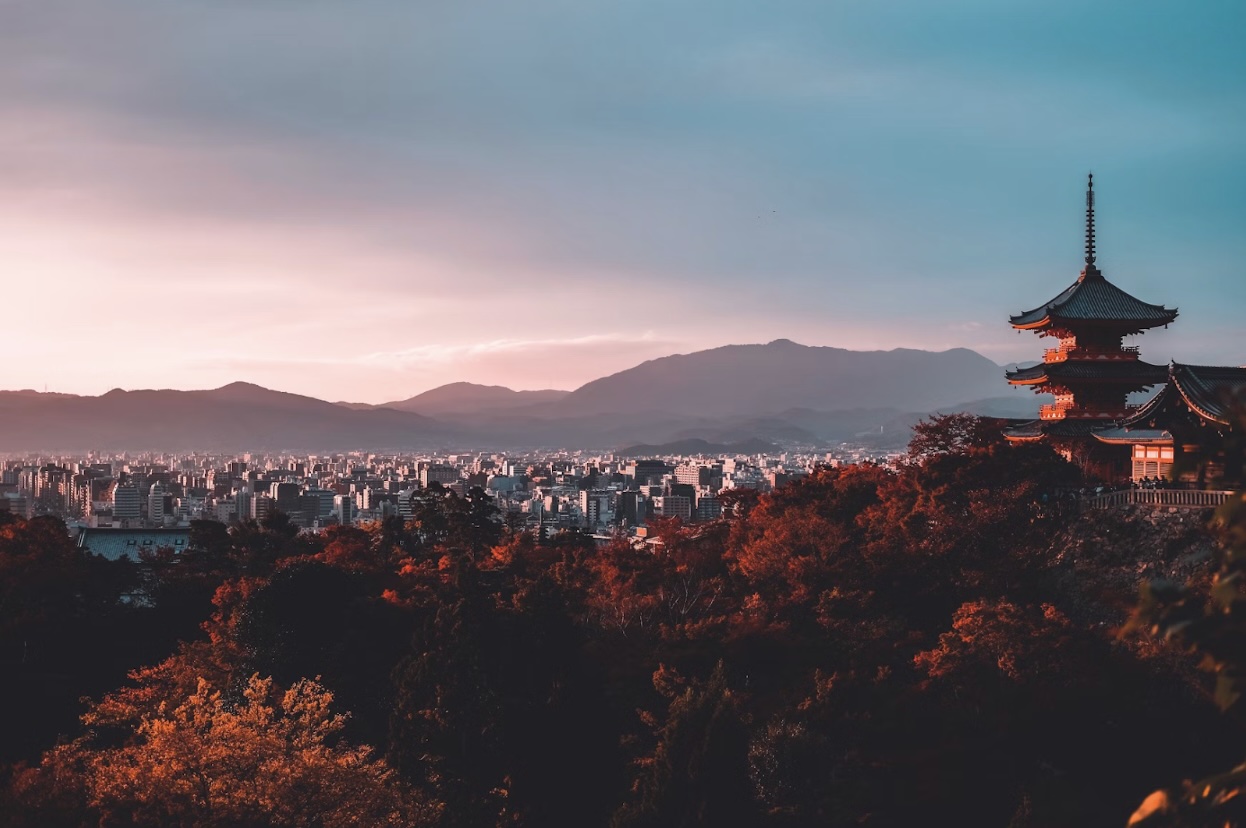
But with this revival comes the challenge of overtourism, where the sheer number of visitors can overwhelm local communities, disrupt the environment, and dilute the cultural experience that makes Japan so unique.
To address this challenge, Japan is proactively promoting regional tourism and focusing on sustainability. In this article, we'll explore how Japan is balancing the growth of its tourism industry with the need to preserve its local cultures, environment, and the experiences it offers.
From innovative under-tourism programs to the strategic use of technology, Japan is working hard to ensure that its tourism sector thrives responsibly and sustainably.
1. The Surge in International Visitors
Japan's tourism industry has witnessed a sharp increase in international visitors, as many travel restrictions were eased and the world began to recover from the pandemic. The numbers speak for themselves: over 18 million international visitors came to Japan in the first half of 2025, marking a significant rebound from the previous years.
Popular destinations like Tokyo, Kyoto, and Osaka have seen a surge in foot traffic, with solo travelers and families flocking to experience Japan's rich cultural offerings, modern cities, and scenic landscapes.
In addition to traditional tourism, Japan has also seen an increase in interest from international tourists seeking leisure activities, much like how many US players explore sites for game for US players, looking for entertainment during their trips.
This influx of tourists has brought numerous economic benefits, including a boost to the hospitality industry, local businesses, and cultural sites. However, this surge in tourism has also brought new challenges. How can Japan ensure that it continues to attract visitors without compromising the quality of life for locals or the integrity of its cultural and natural treasures?
2. Addressing Overtourism Through Regional Travel

One of the primary strategies Japan is adopting to deal with overtourism is promoting regional travel. Japan has 47 diverse prefectures offering unique cultural experiences, landscapes, and attractions. However, many tourists have historically concentrated their visits in just a handful of high-profile cities. Tokyo, Kyoto, and Osaka have long been the go-to destinations, leaving other areas less explored.
To spread tourism's benefits more evenly, Japan is actively encouraging visitors to explore less-traveled regions. Initiatives to promote regional tourism are not just about diverting traffic from crowded urban centers—they're about showcasing Japan's hidden gems and preserving the character of local communities.
In rural areas like Hokkaido, Shikoku, and Kyushu, travelers can experience the serenity of Japan's natural beauty, from sprawling mountains and picturesque beaches to lush forests and tranquil villages.
Additionally, these areas often boast unique regional festivals, traditional crafts, and indigenous cuisine unavailable in the more tourist-heavy cities. By promoting these regions, Japan hopes to provide visitors with more diverse, authentic experiences while easing the burden on over-exploited destinations.
3. The "Under-Tourism" Program: Focusing on Undiscovered Regions
To further support regional tourism and help balance visitor distribution, Japan has introduced the "under-tourism" program. This initiative focuses on attracting tourists to less-visited prefectures, aiming to reduce the over-concentration of travelers in popular spots while highlighting the rich cultural heritage and natural wonders of other regions.
Under-tourism is essentially the opposite of overtourism, it encourages visitors to explore new destinations often overshadowed by well-known cities. The government and local tourism boards are working together to create new travel itineraries, promote regional attractions, and offer special discounts to tourists who venture off the beaten path.
This program helps alleviate pressure on urban centers and ensures that smaller communities benefit economically from the tourism boom. It also plays a crucial role in preserving the authenticity of these areas by encouraging sustainable travel practices and preventing the negative effects of mass tourism, such as overdevelopment or environmental degradation.
4. Technology and Innovation in Managing Visitor Flow
Another critical aspect of Japan's approach to sustainable tourism is using technology to manage visitor flow. As the country continues to embrace smart city technologies, the tourism sector is leveraging innovative tools to track visitor movement, predict peak times, and optimize the distribution of tourists across various destinations.
One example of this technology in action is using real-time data and apps to manage crowd sizes at popular tourist attractions. Apps that provide information on the best times to visit certain landmarks or allow tourists to book timed entry tickets have helped to alleviate congestion and improve the overall visitor experience. For instance, the famous Fushimi Inari Shrine in Kyoto now uses a system that lets visitors book tickets for specific time slots, reducing overcrowding at peak hours.
Additionally, data analytics are being used to identify trends in tourist behavior, such as which regions are seeing increased foot traffic and which areas may need more promotion. This data makes the tourism industry more flexible and responsive, ensuring that resources are allocated efficiently and tourists are encouraged to visit destinations that need support.
5. Promoting Sustainable Tourism Practices
Sustainability is at the heart of Japan's tourism strategy. In addition to promoting regional travel and utilizing technology to manage crowds, Japan is actively encouraging tourists to engage in more sustainable practices while visiting the country. From reducing plastic waste to supporting eco-friendly accommodations, Japan is working hard to ensure that tourism doesn't come at the expense of the environment.
The Japanese government has partnered with local businesses to promote sustainable tourism initiatives, such as using renewable energy in hotels, reducing waste through better recycling practices, and encouraging eco-conscious travel habits. Tourists are also encouraged to participate in activities that support environmental conservation, such as volunteering for beach clean-ups or visiting nature reserves.
Moreover, Japan's commitment to sustainability extends to its food culture. Many restaurants and food producers are adopting farm-to-table practices, ensuring visitors enjoy authentic, locally sourced meals that don't contribute to environmental harm. These practices promote sustainability, support Japan's agricultural communities, and preserve traditional food cultures.
6. The Future of Japan's Tourism Industry
Looking ahead, Japan's tourism industry will continue to evolve. The government has set ambitious targets for tourism growth, aiming to attract 30 million visitors annually by 2030. However, balancing growth with sustainability will remain a central challenge. The success of Japan's regional tourism initiatives, under-tourism programs, and technology-driven strategies will be crucial in achieving these goals.
Tourism will continue to be a key driver of Japan's economy, contributing to job creation, local development, and cultural exchange. However, ensuring that tourism is managed responsibly will require collaboration between government, businesses, and local communities to create a system that benefits everyone, without compromising Japan's cultural heritage or natural beauty.
Conclusion
Japan's tourism sector is thriving, with millions of visitors visiting the country to experience its unique culture, rich history, and breathtaking landscapes. As the country navigates the complexities of overtourism, Japan is embracing a more sustainable, balanced approach, promoting regional travel, utilizing technology to manage visitor flow, and encouraging responsible tourism practices.
With initiatives like the under-tourism program and a focus on eco-friendly travel, Japan is setting an example for the world on balancing growth with sustainability. As Japan continues to grow as a global tourism destination, its ability to preserve its cultural identity and natural beauty while providing memorable, authentic experiences will be key to its success.