News On Japan

Matcha Craze Goes Global as Prices Soar

TOKYO - A worldwide boom in matcha has fueled what some are calling a “matcha bubble,” sending the price of tea leaves sharply higher.

The surge in demand has left Japanese producers struggling to keep up as global consumers increasingly embrace the drink’s unique flavor and health appeal.

Foreign tourists now make up the vast majority at matcha workshops in Tokyo, with one school reporting that nine out of ten attendees are visitors from overseas. Many cite taste and health benefits as the key attractions. An American tourist said, “I just love the taste. It’s healthy, too,” while a visitor from Mexico noted, “It’s not too sweet, it has a special flavor, and it makes you feel good.”

Young people also point to matcha as a study aid, saying it provides the right amount of caffeine for concentration without the jitters of coffee. Specialty shops abroad, such as Zurich’s trendy “Matcha Club,” now offer fashionable spaces where customers sip green drinks while shopping. Exports of Japanese green tea, including matcha, have climbed steadily for five consecutive years, with 2025 already on track to match last year’s record.

Farmers and processors describe the situation as both welcome and overwhelming. Tea grower Satoshi Horii said, “It makes me smile—it’s really good news.” Prices for leaves have nearly doubled from last year, prompting farmers to shift more acreage from sencha to tencha, the leaves used for matcha. Processors, however, face capacity shortages. “We just can’t keep up with the orders,” said Masayuki Maruyama of Maruyama Tea. His company recently built a new matcha-only facility but is already struggling to meet demand from the U.S., Europe, and increasingly, the Middle East. “It’s fair to call it a matcha bubble,” Maruyama said.

The roots of the trend stretch back decades. At Kyoto’s historic Nakamura Tokichi Honten, seventh-generation president Shogo Nakamura recalls pioneering matcha sweets in the late 1990s. “We started with soft-serve ice cream,” he said, noting that matcha was once seen as a formal drink but was transformed into an everyday treat. While his desserts attracted early foreign visitors, Nakamura credits another player with sparking the boom: Häagen-Dazs. The brand launched its “Green Tea” ice cream in 1996, introducing matcha flavor to a wider audience and paving the way for the global craze.

Source: TBS

News On Japan
POPULAR NEWS

As of 9 p.m. on May 30th, Typhoon No. 6 (Chanthu) was strengthening as it moved northwest east of the Philippines, with forecasts calling for the storm to develop into a strong typhoon before passing near Okinawa from June 1st to June 2nd, bringing the threat of violent winds, high waves and torrential rain while raising concerns over heavy rainfall across western and eastern Japan.

A social media dispute between a 17-year-old high school student from Tokyo's Itabashi Ward and a 16-year-old boy from Edogawa Ward escalated into a planned group fight involving around 30 youths, some of whom allegedly brought weapons including a rusty saw, iron pipes, a special baton and even a shovel.

Japan's population stood at 123.05 million in 2025, according to preliminary results from the national census released by the Ministry of Internal Affairs and Communications, marking a decline of 3.097 million people over the past five years.

Volleyball player Shunichiro Sato, a member of Japan’s men’s national team, was arrested by the Tokyo Metropolitan Police Department on suspicion of possessing marijuana after allegedly leaving a bag containing the drug at a pachinko parlor in Tokyo.

The “naphtha shortage” triggered by escalating tensions in the Middle East is now spreading into Japan’s housing industry, with shortages of paint, thinner, insulation materials and other building products forcing construction delays across the country.

MEDIA CHANNELS
         

MORE Food NEWS

World-renowned musician YOSHIKI is betting on Hokkaido wine as Japan's next global export success story, joining a growing list of international figures and industry leaders who see the island as one of the world's most promising emerging wine regions.

I'll attempt to spend $100 on street food in Kyoto, Japan, but there's one problem: Japan is not really a street food country. Most people prefer to eat indoors, and finding street food is surprisingly difficult almost anywhere in the country—except in places like Nishiki Market. (More Best Ever Food Review Show)

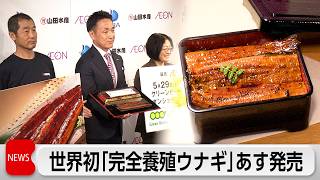
Japan will begin trial sales of the world’s first fully farmed eels for consumers on May 29th, marking a major milestone for the aquaculture industry as domestic eel prices have already fallen by about 40% from a year earlier.

Curry udon, a dish combining the fragrance of spices with one of Kansai's most beloved noodle staples, has developed into a distinctly different style in Kyoto, where a thickened dashi-based curry broth created to withstand the city's harsh winters has become the defining feature of a local comfort food tradition.

Japan byFood featuring Shizuka are heading to a Dancing Crab Tokyo that's redefining the new normal table etiquette with NO plates, NO utensils, and definitely NO staying quiet! (Japan by Food)

Production of tencha, the raw material used to make matcha, has begun in Yamazoe, Nara Prefecture, a village known for producing Yamato tea, with around 20 tons expected to be manufactured by the end of July.

The video explores the colorful and immersive food experience at Japan’s Super Nintendo World, highlighting how the park combines Nintendo nostalgia with Japan’s high culinary standards. (More Best Ever Food Review Show)

Honeybees, long valued for producing honey, are now facing a growing survival crisis that experts warn could eventually threaten global food supplies, as climate change, rising temperatures, and spreading parasites continue to devastate bee populations around the world.