News On Japan

Day in the Life of a Japanese Oyster Farmer

Feb 16, 2026 (Paolo fromTOKYO) - This is a day in the life in Japan, following Shota, a fourth generation Japanese oyster farmer at Yamaguchi Suisan in Noto.

If you’ve ever wondered where oysters in Japan come from, this is Japan oyster farming at scale. As part of a family business founded in 1941, Shota represents true Japanese work culture, balancing tradition, leadership, and life in Japan’s countryside.In Japan, oysters are grown hanging from ropes instead of resting on the seabed. This oyster farming method helps maintain a tender texture and clean flavor. In the mineral rich waters of Noto, where warm and cold currents meet, Japan oysters develop deep umami and a flavor distinct from European or American varieties.On an average day, the team harvests around 3,000 oysters. During peak season, that number can reach 30,000 in a single day. Over a year, production reaches roughly 1.5 million oysters, reflecting the intensity of working in Japan’s seafood industry. This oyster farming documentary captures Japan life beyond the cities, showing what work in Japan really looks like for a Japanese worker dedicated to preserving tradition in modern times.


News On Japan
POPULAR NEWS

Typhoon No. 25 was moving away from Japan over waters to the east early on September 22, bringing an end to rainfall across the Kanto region while remaining a strong storm as it tracked northeast at 45 kilometers per hour at 3 a.m.

Severe transport disruption continued across Chiba Prefecture on the morning of September 22 even as Typhoon No. 25 moved away from Japan, with major JR lines still suspended, rail access to Narita Airport disrupted by river flooding, highways closed across the Boso Peninsula and thousands of travelers dealing with the aftermath of the previous day's cancellations.

Japan collected another 12 medals on Day 3 of the Aichi-Nagoya Asian Games on September 21, with 17-year-old swimmer Shin Ohashi and karateka Kakeru Nishiyama winning gold, while the host nation also advanced strongly in women's volleyball, baseball, soccer, handball and hockey.

People aged 65 and older accounted for a record 29.6% of Japan's population in 2026, the highest proportion among major countries worldwide, while the number of elderly people in employment also reached an all-time high as Japan marked Respect for the Aged Day on September 21.

Emperor Naruhito and Empress Masako watched Japan defeat Kazakhstan in a women’s basketball preliminary-round game at the 20th Asian Games in Nagoya.

MEDIA CHANNELS
         

MORE Food NEWS

For more than six decades, Sanyuken Fukasawa Branch in Tokyo's Setagaya Ward has served generations of customers with familiar Chinese dishes, as its 72-year-old second-generation owner and his wife continue to run the 14-seat neighborhood restaurant largely by themselves.

Authorities are warning people not to rely on artificial intelligence, guidebooks or internet searches to decide whether wild mushrooms are safe to eat after food poisoning cases involving toxic species, including one in which AI mistakenly identified a poisonous mushroom as edible.

Tokyo's Fuchu Prison is adapting its meals and living arrangements to a growing foreign inmate population, with about one in four prisoners coming from overseas and staff balancing religious, cultural and dietary needs against tight budgets and the demands of running one of Japan's largest prisons.

The cost of making a serving of curry rice at home in Japan fell below 350 yen in July for the first time in 11 months, helped by declining rice prices, according to Teikoku Databank.

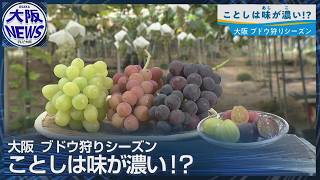
Grape-picking season has reached its peak at tourist farms in Kashiwara, Osaka Prefecture, where hot weather from spring through summer has produced particularly sweet, richly flavored fruit this year, although prolonged rain has reduced visitor numbers and could shorten the season.

The autumn red snow crab season has opened on the Sea of Japan coast, with the first auction at Kasumi Fishing Port in Kami, Hyogo Prefecture, recording a top price of 300,000 yen for a single crab on September 4.

Japan's Environment Ministry will conduct its first survey of animal cafes, where customers can interact with animals including exotic species, as concerns grow over infection risks, injuries and the welfare burden placed on animals.

Japan byFood and Shizuka are back with Worth The Trip the series where we will discover food spots in Japan that are actually worth traveling for! This time we are going to award-winning eats around Tokyo under one rule – we can only eat for $10 or around ¥1,600 yen.