


A worsening naphtha shortage linked to tensions in the Middle East is beginning to affect everyday retailers in Japan, with some businesses replacing plastic packaging with newspaper and asking customers to bring their own containers and bags.

Birthrates in neighboring Kyoto and Shiga prefectures have moved in opposite directions, with experts pointing to housing costs, commuting convenience, and stable employment as key factors shaping where young families choose to live.

Japan's chemical industry is facing growing pressure from rising raw material costs and supply concerns linked to tensions in the Middle East, although expectations for industry restructuring and expanding demand for semiconductor materials are providing reasons for optimism.

Japanese stocks suffered a sharp sell-off on June 8th as weakness in U.S. technology shares and growing concerns over higher global interest rates triggered widespread selling, sending the Nikkei Stock Average down 2,563.52 points, or about 3.8%, to close at 64,024.60.

Japan's agricultural sector, which supports the nation's food supply, is beginning to feel the impact of the Middle East crisis, as soaring fuel and fertilizer costs and growing shortages of essential farming materials raise fears that more producers may abandon the industry.

Former Mie Governor and Liberal Democratic Party Policy Research Council Special Adviser Eikei Suzuki has called for a stronger government role in Japan's energy policy, arguing that the country's heavy dependence on Middle Eastern oil is the result of decades of market-driven procurement and that rising energy prices now pose a greater threat than supply shortages.
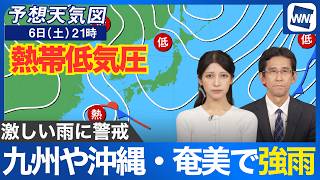
A tropical depression is expected to move northward this weekend and could bring another round of heavy rain to parts of Japan, following a week in which Typhoon Jangmi (Typhoon No. 6) caused significant rainfall and left some areas vulnerable to further weather-related damage.

Corn farmer Wataru Hikosaka in Tahara, Aichi Prefecture, says concerns continue to mount as soaring fertilizer prices linked to tensions in the Middle East add to the challenges facing growers already dealing with typhoon damage.
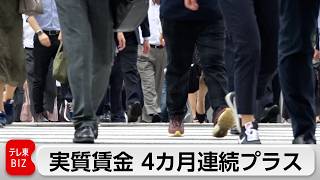
Japan's real wages rose 1.9% in April from a year earlier, marking the fourth consecutive month of growth and the longest stretch of positive gains in about five years as this year's spring labor-management wage negotiations began feeding through into workers' paychecks.

A 60-year-old unemployed man has been arrested and indicted for allegedly stealing water meters from apartment complexes in Sakai, Osaka Prefecture, in what police believe was a scheme to sell the devices amid soaring copper prices and a growing nationwide wave of metal thefts.

Prime Minister Sanae Takaichi faced intense questioning in the House of Representatives Budget Committee on June 4th over allegations surrounding defamatory campaign videos, telling lawmakers she had not verified newly released audio published by Weekly Bunshun because she had no intention of becoming a paid subscriber to the magazine's online service.

A breaking weather alert was issued for the Izu region of Shizuoka Prefecture early Wednesday morning, after the formation of a linear rain band, a phenomenon capable of producing prolonged and extremely intense rainfall over the same area. Authorities warned that the risk of disasters has risen sharply as heavy rain continues to fall, increasing the likelihood of flooding, landslides, and other weather-related emergencies.

The Japan Housing Finance Agency announced on June 1st the interest rates that will apply in June for Flat 35, Japan’s long-term fixed-rate housing loan program.

A black-and-white version of Calbee's popular Kappa Ebisen snack has appeared on supermarket shelves in Tokyo as concerns over the supply of printing materials linked to Middle East tensions ripple through Japan's food industry, while more than 1,000 food products are set to become more expensive in June.

Shortages of thinners, paints, adhesive tapes and other petroleum-derived products are continuing to spread across Japan, raising questions about whether supply disruptions can still be explained solely by distribution bottlenecks.
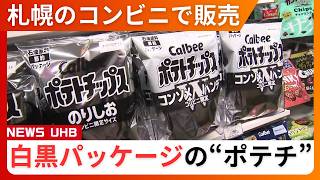
More than 1,000 food products and other consumer goods will see price increases from June, with the effects of instability in the Middle East now reaching supermarket shelves in unexpected ways, including the appearance of black-and-white potato chip packages.

Japan’s largest space business exhibition opened at Tokyo Big Sight on May 27th, showcasing a growing wave of companies from outside the traditional aerospace sector entering the rapidly expanding space industry.

Japan has enacted legislation allowing a sharp increase in fees charged to foreign residents for immigration procedures, with the cost of applying for permanent residence expected to rise from the current 10,000 yen to around 200,000 yen once the new system is implemented.

Osaka City will stop accepting new applications for its special-zone minpaku program on May 29 as complaints over noise, garbage disposal and other issues involving guests continue to increase.

Black bears trapped inside box cages have been filmed thrashing about violently and attempting to lunge at handlers, as a sharp rise in bear sightings across Japan this spring raises concerns among local communities and hunters alike.

The “naphtha shortage” triggered by escalating tensions in the Middle East is now spreading into Japan’s housing industry, with shortages of paint, thinner, insulation materials and other building products forcing construction delays across the country.

A new travel style known as “Otetutabi,” which combines short-term work with tourism, is rapidly gaining attention across Japan as both travelers and local businesses search for new ways to address changing social and economic realities.
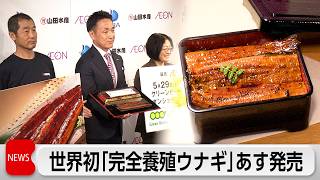
Japan will begin trial sales of the world’s first fully farmed eels for consumers on May 29th, marking a major milestone for the aquaculture industry as domestic eel prices have already fallen by about 40% from a year earlier.

The arrival of the crude oil tanker Idemitsu Maru at Nagoya Port on May 25th marked the end of a weeks-long ordeal caused by the closure of the Strait of Hormuz, while also highlighting how dramatically Japan's oil procurement system has changed amid escalating tensions in the Middle East.
The Japanese government is set to provide summer electricity and gas subsidies worth about 5,000 yen per household as extreme heat is forecast for 2026, while medical costs are also set to rise from June as hospitals gain the ability to charge cancellation fees and increase initial consultation and hospitalization charges.