


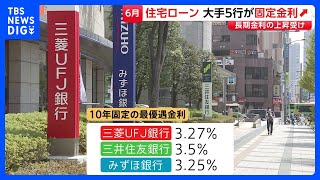
Fixed-rate mortgage costs in Japan are set to rise again in June as the country's five major banks increase home loan rates in response to higher long-term interest rates, with their flagship 10-year fixed-rate mortgages rising to preferential rates of 3.27% at Mitsubishi UFJ Bank, 3.5% at Sumitomo Mitsui Banking Corporation, and 3.25% at Mizuho Bank.

The “naphtha shortage” triggered by escalating tensions in the Middle East is now spreading into Japan’s housing industry, with shortages of paint, thinner, insulation materials and other building products forcing construction delays across the country.

A model room for a luxury condominium tower under development at Grand Green Osaka in the Umekita district of Osaka has been unveiled, with its most expensive unit priced at 40 billion yen as the developer seeks demand from wealthy buyers looking for second homes.

Rising tensions surrounding the closure of the Strait of Hormuz are beginning to ripple through Japan’s economy, with higher energy costs and shortages of petroleum-based materials threatening to accelerate inflation just as the country heads into another extremely hot summer.

The crude oil tanker "Idemitsu Maru," which passed through the Strait of Hormuz, is scheduled to arrive at Nagoya Port around noon on May 25th, drawing attention as Japan faces a sharp decline in crude imports from the Middle East following the effective closure of the strategic waterway.

Construction projects across Japan are being suspended as shortages of paint, thinner and waterproofing materials linked to worsening tensions in the Middle East place mounting pressure on small and midsize builders, with some contractors warning they may soon be forced out of business.

Japan’s imports of crude oil from the Middle East plunged 67.2% in April from a year earlier, as the impact of the effective closure of the Strait of Hormuz began to ripple through the country’s trade and energy supply chains.

Uncertainty surrounding the situation in the Middle East is beginning to affect daily life in Japan, as concerns over crude oil supplies spread to restaurants, cleaning services and even household garbage disposal systems across the Kansai region.

As conflict in the Middle East drags on, shortages of naphtha — a key raw material used in a wide range of petroleum-based products — are beginning to affect even Japan's traditional cheap snacks, with manufacturers facing steep rises in packaging and material costs while trying to keep products affordable for children.

TOTO, a major Japanese manufacturer of housing and bathroom equipment, reopened its showroom in London, England, on May 20th after undergoing its first major renovation in 16 years.

As the prolonged disruption of shipping through the Strait of Hormuz continues to strain global energy markets, differences are emerging between how Japan and South Korea are responding to the growing risk of fuel shortages and rising prices.

Complaints are mounting across a wide range of industries over shortages of naphtha-related materials, but the government insists the issue is not a lack of overall supply, describing it instead as a “bottleneck” in distribution and processing. So what exactly is happening behind the scenes?

Free roll-type plastic bags once available to shoppers at supermarkets are being removed one after another as shortages of naphtha, a petroleum-derived raw material used in plastic production, spread across Japan amid ongoing tensions in the Middle East.

Japan’s corporate goods prices rose 4.9% in April from a year earlier, far exceeding market expectations as soaring crude oil prices linked to tensions in the Middle East pushed wholesale inflation to its highest level in nearly three years.

Kagome announced on May 14th that it will temporarily redesign several ketchup products by reducing printed packaging areas and adopting mostly transparent labels as worsening tensions in the Middle East continue to disrupt supplies of white ink and other petroleum-based packaging materials across Japan.

The impact of Japan’s growing naphtha shortage is spreading across a widening range of industries, raising concerns about manufacturing, logistics, and even daily consumer life.
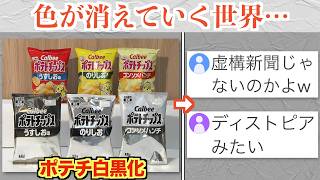
The “ink shock” caused by tensions in the Middle East is beginning to spread across Japan’s food packaging industry, prompting manufacturers to simplify designs and reduce ink usage as concerns grow over naphtha supplies and rising printing costs.
A discount supermarket chain known for its ultra-low prices has raised the price of kaiware radish sprouts for the first time in 34 years, as worsening tensions in the Middle East continue to drive up oil-related costs and disrupt supplies of plastic products across Japan.

Prime Minister Takaichi returned to Japan after visits to Vietnam and Australia during the Golden Week holidays, securing agreements with both nations to strengthen supply chains for critical minerals and enhance cooperation on energy security, as Tokyo seeks to counter China’s economic pressure and navigate instability in the Middle East.

A shortage of naphtha, a key petrochemical feedstock used in a wide range of products, is pushing up the cost of housing materials in Japan and raising concerns that home prices could climb by as much as 30%.

TOTO said on April 16 that it will gradually resume new orders for its unit bath products from April 20 after securing a clearer outlook for raw material procurement.

As tensions in the Middle East continue, 42 vessels linked to Japan remain stranded in the Persian Gulf, raising concerns over supply chains for naphtha, a key raw material used in plastics and coatings, with manufacturers warning that prolonged disruptions could drive up prices for everyday goods and housing materials.

TOTO has suspended new orders for some unit bath systems due to difficulties securing petroleum-based materials, highlighting how prolonged high crude oil prices are beginning to disrupt supply chains and feed into broader inflation risks in Japan.

The Japan Painting Contractors Association has requested the government to secure stable supplies of materials, warning that concerns over shortages of paint and thinner derived from naphtha have become increasingly severe.
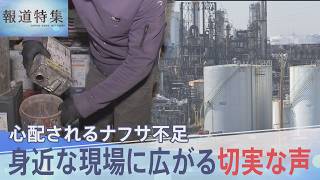
A growing shortage of products derived from naphtha is beginning to affect everyday industries, as instability surrounding supply routes linked to tensions involving Iran raises concerns across Japan’s economy.