



Tokyo stocks fell sharply on July 7 as a selloff in South Korean chip shares triggered fresh concern over the sustainability of the AI boom, dragging the Nikkei 225 lower while banks and other value shares resisted the decline.

A nine-year dispute over the Linear Chuo Shinkansen effectively came to an end on July 7 as Shizuoka Governor Yasutomo Suzuki told the prefectural assembly that he would allow Central Japan Railway to begin construction on the Shizuoka section of the project.
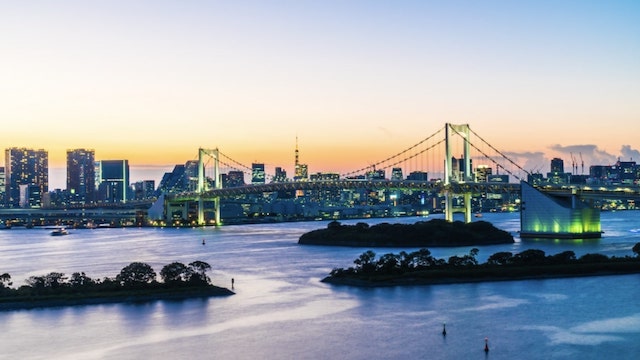
A good connection matters in Japan because so much of the trip depends on your phone working smoothly. You may need it for station directions, translation, booking confirmations, digital tickets, or finding the right exit in a large city.
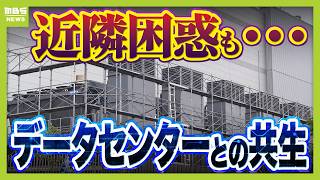
Internet communication through smartphones and computers has become indispensable to daily life, and the facilities known as data centers that support ordinary actions such as watching videos online and sending messages are now expanding rapidly as demand for artificial intelligence grows.

Japan lowered passport application fees from July 1, drawing large crowds to application counters such as the one in Tokyo’s Shinjuku district, although applicants are being warned that issuance could take as long as about one month.
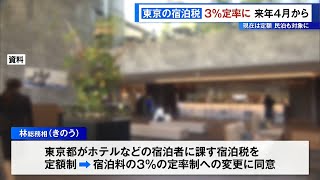
Tokyo will introduce a 3% accommodation tax on hotel and other lodging stays from April 2027, formally replacing its current flat-rate system and extending the levy to private lodging services.

Wasabi, a food ingredient native to Japan, has long been valued not only for enhancing the flavor of other foods but also for its reported antibacterial and antioxidant properties, making it an essential part of the Japanese table.

Tokyo stocks ended mixed on July 6 as profit-taking in AI and semiconductor-related shares kept the Nikkei 225 nearly flat, while broader buying in banks, value stocks and domestic demand names lifted the TOPIX to a fresh record high.

Opposition parties boycotted Diet deliberations after accusing the ruling bloc of forcing debate on bills to cut the number of lawmakers and create a secondary capital system, leaving committee sessions to proceed without them and exposing widening rifts not only between the ruling and opposition camps but also within the government and ruling coalition.

A senior figure believed to be one of the top executives of the Prince Group, described as one of Asia’s largest criminal organizations, has been rearrested in Tokyo on suspicion of violating Japan’s Immigration Control and Refugee Recognition Act by unlawfully handing over his residence card to others, the Metropolitan Police Department said.

The yen has weakened to the 162 range against the dollar for the first time in about 40 years, but the latest market environment differs sharply from the period four decades ago, when Japan was still climbing toward the height of its economic power.

Japan is seeking to turn economic security into diplomatic leverage as the United States deepens its America First approach, with policymakers focusing on semiconductors, critical minerals, energy, shipbuilding and advanced technology as areas where Japan can make itself indispensable to Washington.
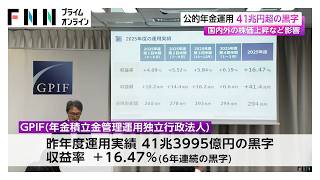
Japan's Government Pension Investment Fund said its investment operations for fiscal 2025 generated a surplus of more than 41 trillion yen, lifted by gains in domestic and overseas stock markets.
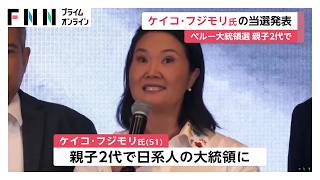
Peru's election authorities formally announced on July 3 that Keiko Fujimori, the Japanese-descended eldest daughter of former President Alberto Fujimori, had won the country's presidential runoff election.
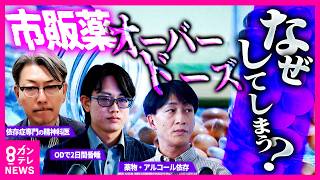
The growing abuse of over-the-counter drugs among young people in Japan reflects not only easy access to medicines but also loneliness, social media influence and a shortage of places where troubled youths can be safely seen and heard, according to a discussion among an addiction specialist, a former overdose user and a recovery worker with experience of drug and alcohol dependence.

Mos Food Services, operator of the Japan-born hamburger chain Mos Burger, is riding a strong recovery, with sales surpassing 100 billion yen for the first time in the year ended March 2026 and both revenue and profit reaching record highs.

Haruki Murakami’s first new book in about three years went on sale on July 3, drawing large crowds of fans to bookstores in Tokyo from late at night, even as neighborhood bookstores across Japan continue to struggle with a shrinking market.

Workers inspecting screws are a familiar sight in Tokyo’s Ota Ward, where small factories line the streets, but manufacturers say rising costs are squeezing operations despite signs of strength elsewhere in the economy.

Japan’s long-term interest rate, which affects fixed-rate housing loans and other borrowing costs, climbed to its highest level in about 30 years as concerns grew over the fiscal outlook under the Takaichi administration.
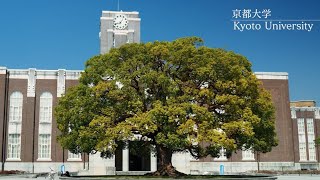
The education ministry said July 3 that it plans to certify Kyoto University as an International University for Research Excellence, a government-backed designation aimed at fostering research institutions capable of competing at the highest global level.

Prime Minister Takaichi is returning to Japan after talks with Indian Prime Minister Narendra Modi, with the two leaders agreeing to deepen their strategic cooperation and Japanese and Indian companies signing 129 memorandums and related agreements linked to a 2 trillion yen investment package for India.

Reiwa Shinsengumi said its leader, Taro Yamamoto, was fined 90,000 yen and had his driver’s license suspended for 90 days after being caught speeding on an expressway in Oita City.

Recent symptoms such as fatigue and irritability may be signs of menopause, a condition often seen as a women’s health issue but one that also affects many men, especially those in their 40s and 50s who face growing responsibilities, declining recognition and physical changes that are difficult to discuss.

Tokyo stocks staged a sharp intraday reversal on July 3, with the Nikkei 225 rebounding from an early drop of more than 1,100 points to close more than 1,000 points higher as investors bought back semiconductor and AI-related shares while rotating into lagging value stocks.

Prime Minister Sanae Takaichi’s political agenda faced pressure on several fronts on July 3, as the government kept open the possibility of currency intervention to support the yen, opposition parties continued to challenge the ruling bloc’s management of the Diet, and Japan moved to extend its security diplomacy through India and NATO-related talks.
Pages: [<<] ... 14 15 16 17 18 19 20 21 22 23 24 25 26 27 28 ... [>>]