



Rising tensions in the Middle East are raising concerns over potential disruptions to medical supplies in Japan, particularly due to uncertainty surrounding naphtha used in products such as gloves and gowns, with hospitals warning that a halt in supply could significantly impact medical care while authorities move to reassure that stockpiles are sufficient for the time being.

As the Iran conflict shows signs of prolonged escalation, Japan’s heavy reliance on Middle Eastern oil is driving a sharp surge in naphtha prices—an essential raw material for plastics—forcing manufacturers to implement unprecedented price hikes of over 30% while raising concerns that widespread cost increases and potential shortages across food packaging, medical supplies, and daily goods could intensify from May onward if supply disruptions persist.
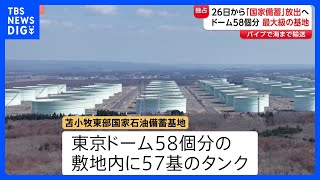
As the impact of the effective closure of the Strait of Hormuz spreads, the government announced it will begin releasing national oil reserves from 11 bases across the country starting March 26th, in a move aimed at minimizing disruption to economic activity.

A surge in fuel prices is set to hit travel demand during Japan’s major holiday period, with airlines across Asia moving to raise fares and impose higher fuel surcharges, while in Japan, domestic carriers are maintaining current surcharge levels for now but are expected to implement significant fare increases from June onward, particularly during the peak summer travel season.

Two weeks after attacks on Iran triggered the closure of the Strait of Hormuz, turmoil has spread through the global economy, with rising gasoline prices already hitting consumers while a looming shortage of petrochemical materials threatens to drive up the cost of everyday goods.

The government has instructed domestic oil reserve bases to prepare for a possible release of stockpiled crude as tensions surrounding the Middle East raise concerns about energy supply and the broader industrial impact, including disruptions to ethylene production used in food packaging.
Japan's largest oil wholesaler says it will cease operations at a chemical materials factory around next October as competition in the industry intensifies. Eneos will seek to sell part of the plant to rival Idemitsu Kosan. (NHK)