



Japan’s major companies are showing growing caution toward hiring new graduates as artificial intelligence begins replacing routine work, while survey results suggest that older employees, nonregular workers and even managers could also face mounting pressure by 2030.

A covert network of shuttle tankers is carrying crude through the increasingly dangerous Strait of Hormuz as renewed fighting between the United States and Iran disrupts shipping and raises concerns over how Japan will secure the oil it needs.

Tokyo stocks rebounded sharply on July 21 as investors bought back semiconductor and artificial intelligence-related shares after last week’s steep selloff, while attention shifted to upcoming U.S. technology earnings and the government’s new economic policy roadmap.
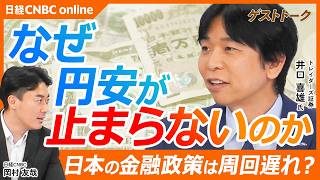
The yen weakened beyond 163 to the dollar as fears of a further deterioration in the Middle East fueled safe-haven demand for the U.S. currency, pushing Japan's currency to its lowest level in about 39 and a half years.

A tanker carrying about 1 million barrels of Mexican crude oil arrived off Yokkaichi, Mie Prefecture, on the morning of July 17, marking Japan's first such delivery since the Strait of Hormuz was effectively closed.

Tokyo stocks plunged on July 17 as a global selloff in semiconductor and artificial intelligence-related shares pushed the Nikkei 225 into correction territory, while Middle East tensions, higher oil prices and persistent yen weakness added to pressure on investors.
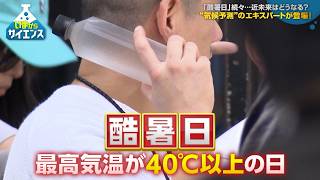
Japan is likely to face increasingly long and dangerously hot summers as global temperatures continue to rise, with advanced climate simulations also pointing to more frequent torrential rain, rising seas and accelerating ice loss by the end of the century.

Tokyo stocks fell sharply on July 16 as renewed selling in South Korean semiconductor shares spread to Japan’s AI and chip-related names, while household inflation expectations hit a record high and kept pressure on the Bank of Japan to maintain a tightening bias.

Two typhoons are currently near Japan, with Typhoon No. 9, Bavi, over North China and Typhoon No. 11, Haishen, east of the Philippines, but only Bavi is expected to have any indirect impact on the country.

Japan is expected to remain under intense summer heat through next week as the Pacific high-pressure system continues to dominate the country, bringing widespread temperatures above 30 degrees Celsius and increasing the risk of heatstroke.
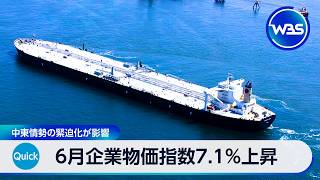
Japan’s domestic Corporate Goods Price Index, which measures prices charged for goods traded between companies, rose 7.1% from a year earlier to 135.4 in June, the Bank of Japan said on July 10.

Dental clinics are facing higher costs for gloves, masks and other supplies made from naphtha-derived materials, even as shortages ease following renewed conflict in the Middle East that has disrupted naphtha supplies.

Tokyo stocks fell for a third straight session on July 8 as selling in semiconductor and AI-related shares continued, while rising Japanese government bond yields, Middle East tensions and concern over the Bank of Japan’s policy independence added pressure to the broader market.

Marutake Tosou, a painting company founded about 50 years ago in Nagoya’s Nishi Ward, handles exterior walls and other building projects. Its workshop is lined with cans of thinner, an essential material used for sanding products and diluting paint, but at the end of April the company was struggling to secure supplies.

Workers inspecting screws are a familiar sight in Tokyo’s Ota Ward, where small factories line the streets, but manufacturers say rising costs are squeezing operations despite signs of strength elsewhere in the economy.

Prime Minister Takaichi is returning to Japan after talks with Indian Prime Minister Narendra Modi, with the two leaders agreeing to deepen their strategic cooperation and Japanese and Indian companies signing 129 memorandums and related agreements linked to a 2 trillion yen investment package for India.

More than 2,500 food items will become more expensive in July, with bread, instant noodles and other processed foods among the main categories affected as Middle East tensions and the weaker yen continue to push up costs.

Japan remains among the world’s leading nations in seabed resource development and should accelerate work to sharpen its technology, Democratic Party for the People upper house lawmaker Yoshihiko Yamada said, calling for broader ocean policy investment, stronger protection of sea lanes and a more active Japanese role in mine-clearing operations near the Strait of Hormuz.

Tokyo stocks edged higher on June 29 as investors bought back selected shares after a sharp AI-led selloff, but gains were capped by caution over high technology valuations, Middle East tensions and a weakening yen that fell to its lowest level against the dollar since 1986.

According to updates on June 28, the double-typhoon system that brought record rain, flooding, landslides and fallen trees to parts of Japan has moved away, but Kanto remains under cloudy rainy-season skies, with intermittent rain still possible and saturated ground keeping the risk of landslides high in areas hit by heavy rain.
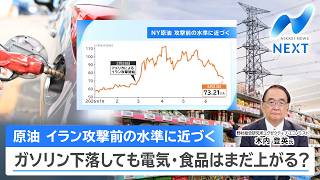
Crude oil prices have plunged to the low $70 range per barrel following the signing of a memorandum aimed at ending fighting between the United States and Iran, but while the immediate risk of an energy crisis appears to have eased, economists warn that price increases for electricity, food and everyday goods may still be about to intensify.

The Nikkei Stock Average fell for a second straight session in Tokyo as investors locked in profits from a rapid rally in artificial intelligence and semiconductor-related shares, briefly sending the benchmark down more than 1,300 yen before bargain hunting helped it recover part of the loss.

Japan will begin a new system on June 23 to sell paint and thinner directly from manufacturers to construction firms and other businesses, aiming to ease supply bottlenecks and curb price increases as worsening conditions in the Middle East make such materials harder to obtain.
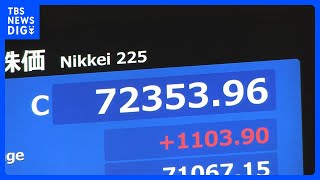
Tokyo stocks surged at the start of the week, with the Nikkei Stock Average closing above 72,000 for the first time and extending its record-setting streak to a sixth consecutive trading day.
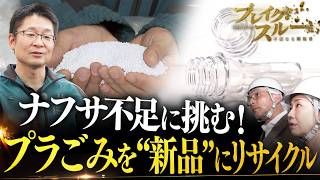
Japan's reliance on Middle Eastern crude oil has left manufacturers exposed to rising costs for plastic containers, ink and other products that use naphtha, but JEPLAN President Masaki Takao is pushing a recycling technology that could reduce the need for petroleum-derived raw materials by turning used plastic back into material close to new.