


The yen weakened sharply on Friday, briefly falling past 160 to the dollar, as concerns grew that instability in the Middle East would persist and weigh on global markets.
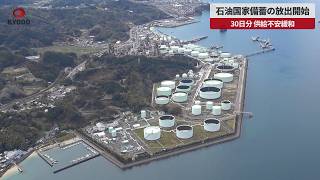
Japan began releasing its national oil reserves for the first time in about four years in response to escalating tensions in the Middle East, as concerns grow over potential supply shortages following disruptions in tanker traffic.

Medical institutions across Japan are coming under increasing financial strain as rising prices for plastic and rubber—key materials in essential medical supplies—begin to weigh heavily on operations, prompting the government to release national oil reserves on March 26th in an effort to curb inflation and stabilize supply.

Japan’s nationwide consumer price index rose 1.6 percent in February from a year earlier, marking the first time in nearly four years that the rate has fallen below 2 percent, largely due to the abolition of a temporary gasoline tax rate and the impact of government subsidies.

Tokyo police announced that a total of 112 women and girls were arrested over the past year for allegedly soliciting customers for prostitution on the streets of Kabukicho, one of the capital’s largest entertainment districts.

Two weeks after attacks on Iran triggered the closure of the Strait of Hormuz, turmoil has spread through the global economy, with rising gasoline prices already hitting consumers while a looming shortage of petrochemical materials threatens to drive up the cost of everyday goods.

As tensions surrounding Iran intensify and global markets grow increasingly volatile, attention is turning to how the Bank of Japan will respond at its upcoming monetary policy meeting and what the developments could mean for stock prices and the yen.

Japan plans to release petroleum reserves as early as March 16 in response to surging crude oil prices driven by escalating tensions in the Middle East, with the government also aiming to keep the nationwide average gasoline price at around 170 yen per liter.

The government has instructed domestic oil reserve bases to prepare for a possible release of stockpiled crude as tensions surrounding the Middle East raise concerns about energy supply and the broader industrial impact, including disruptions to ethylene production used in food packaging.
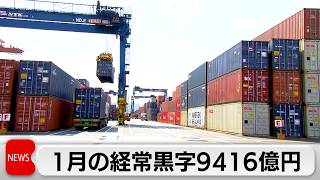
Japan posted a current account surplus of 941.6 billion yen in January, marking the 12th consecutive month in the black, according to preliminary balance of payments data released by the Finance Ministry on March 9th.

Japan’s benchmark Nikkei Stock Average closed sharply lower on March 9th, falling 2,892 points from last week’s close to finish at 52,728, marking the third-largest decline in its history amid a surge in global crude oil prices tied to tensions involving Iran.

Kenko Portaris (ケンコ ポータリス) is an AI-powered investment platform incorporated under Japanese financial services regulation, targeting retail and semi-professional investors primarily within the Japanese domestic market.

Shogakukan has come under mounting criticism after it was revealed that its manga app “Manga One” appointed a male manga artist as the original author of a new serialized work despite being aware of his past sexual misconduct, prompting the publisher to apologize and announce on March 2nd that it would establish an independent third-party committee to investigate the matter.

Basketball is booming in Japan. The national team has competed in back-to-back Olympics for the first time since the 1970s.

Funabashi in Chiba Prefecture has surged in the latest ranking of the most desirable places to live in the Greater Tokyo area, announced on February 25th, reflecting growing demand for well-connected commuter cities offering relatively affordable housing and convenient urban amenities.

The financial burden of Japan’s competitive junior high school entrance exams is coming under renewed scrutiny, with a popular manga series offering a lens through which to examine whether the process delivers value for families willing to spend heavily in pursuit of academic success.

Japan’s largest rice wholesaler, Shinmei Holdings, has laid out its view of where rice prices are heading and how it plans to secure the staple’s future, as households grapple with the sharpest price pressure in years and farmers continue to exit an industry where profits are thin.

Ski resorts in Japan are experimenting with sharply contrasting pricing strategies—from free weekday lift tickets to premium passes costing 33,000 yen—in an effort to revive a declining ski population and stimulate local economies, as operators seek new ways to attract visitors amid rising costs.

Air will remain chilly across much of Japan on February 20, but temperatures are set to surge over the three-day weekend from February 21 to 23, bringing with them sharp temperature swings, strong winds, heavy pollen and yellow sand—dubbed the “Spring 4K”—that could affect travel and outdoor plans.

A blizzard warning issued for Sapporo, Hokkaido, on February 19th brought typhoon-level gusts reaching 26 meters per second, triggering whiteout conditions, grounding flights at New Chitose Airport, suspending trains, closing 341 schools, and leaving roads, cars, and daily life buried under rapidly accumulating snow. While the main storm has weakened, hazardous conditions such as reduced visibility, icy roads, and drifting snow remained a concern into February 20th.

Since February this year, French former culture minister Jacques Lanvin resigned from his position due to his involvement in the Epstein case, while British former ambassador to the U.S. Peter Mandelson was dismissed and faced judicial prosecution for the same case.
The global matcha boom is driving up costs in Japan’s historic tea capital, with Uji City in Kyoto Prefecture set to raise usage fees at its municipal tea rooms by roughly 50% as soaring demand pushes up the price of tencha, the raw material used to produce matcha.

Japan's 51st House of Representatives election was held on February 8 with ballots counted the same day, delivering a sweeping victory for the Liberal Democratic Party, which significantly increased its strength from before the official campaign and secured more than two-thirds of the 465 seats in the chamber on its own, surpassing 310 seats and achieving a landslide win.

Amid deepening labor shortages, AI and robots are undergoing rapid and remarkable advances, raising a pressing question for businesses and workers alike: are they a threat that will take jobs, or partners that expand human potential?

A prolonged spell of dry weather has led to water shortages and even a “red river” in parts of Japan, with farmers and public facilities sounding alarms as reservoirs shrink and temperatures climb in the Kanto region.