Apr 13, 2025 (News On Japan) - Gaming has transformed from a niche hobby into a cultural cornerstone, influencing how younger generations connect, learn, and express themselves.
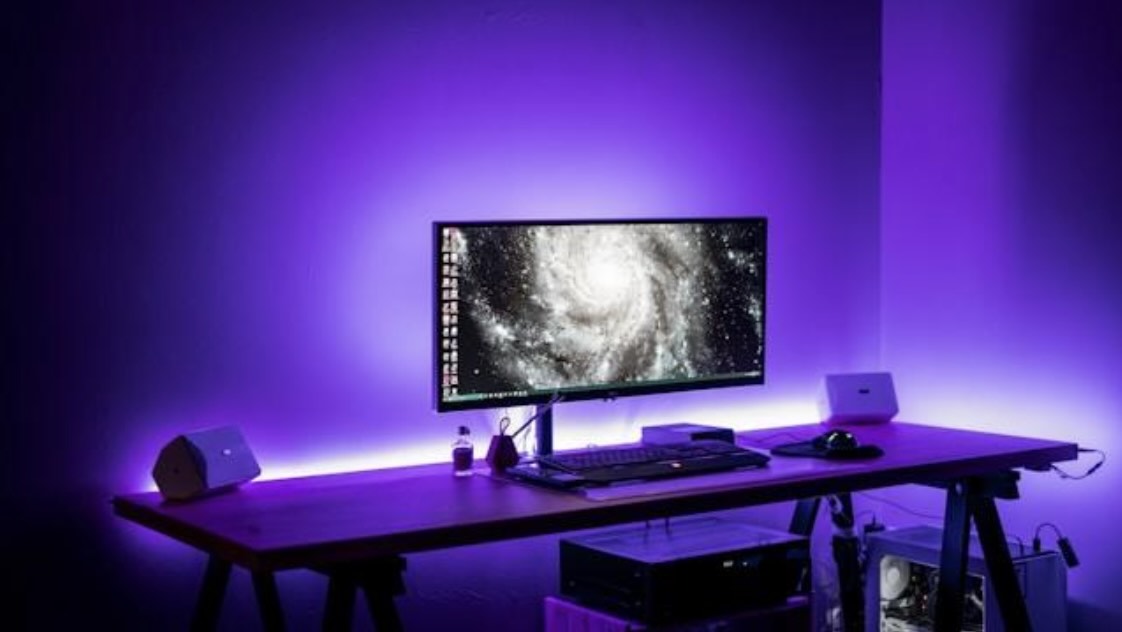
For games like Fortnite, Minecraft, and Roblox, the impact goes far beyond entertainment, profoundly shaping identities and communities. But what about these games make them the favorites of Gen Z, Millennials, and even Gen Alpha?
A Platform for Creativity
On websites like youikuhiotoko.com, you can see that popular games like Minecraft and Fortnite have become a creative outlet. They allow players to design virtual spaces or customize their characters uniquely. Fortnite’s Creative Mode lets users build intricate worlds from scratch, while Minecraft offers endless possibilities for constructing everything from simple houses to complex cities.
This emphasis on creativity appeals to younger generations who value personalization and freedom of expression. It’s not just about playing; it’s about creating something that reflects their individuality. Many players even share their creations on social media or collaborate with others to produce elaborate designs, turning gaming into a form of artistic expression.
Gaming as a Social Connector
One of the most significant ways gaming is shaping the new generations is by fostering social connections. Unlike traditional forms of entertainment, video games are inherently interactive. Games like Fortnite encourage teamwork and collaboration, requiring players to strategize together to achieve shared goals. This dynamic has turned gaming into a virtual meeting ground where friendships are formed and strengthened.
For many players, these interactions are not limited to the game itself. They extend to platforms like Discord, Twitch, and TikTok, where they discuss strategies, share experiences, and build communities around their favorite titles.
Cultural Integration Through Gaming
Gaming is no longer confined to its own sphere; it has become intertwined with broader cultural experiences. Fortnite, for instance, has hosted live events like concerts featuring artists such as Travis Scott and Ariana Grande. These events attract millions of participants and blur the lines between gaming and other forms of entertainment. For players, these moments are more than just fun—they’re opportunities to engage with culture in new ways.
The Challenges of Accessibility
Part of gaming’s widespread appeal lies in its accessibility. Popular titles like Fortnite are free-to-play and available across multiple platforms, making them easy for anyone with an internet connection to access. This inclusivity has helped games reach diverse audiences worldwide.
However, accessibility comes with challenges. Critics argue that excessive gaming can lead to addiction or distract from responsibilities such as schoolwork or physical activity. While games foster creativity and community, balancing screen time with other aspects of life remains crucial—especially for younger players still developing their sense of discipline.
Gaming as a Cultural Force
Gaming’s influence on younger generations is undeniable. Titles like Fortnite, Minecraft, and Roblox have transformed their way of socializing, expressing themselves creatively, and engaging with culture. These virtual spaces are no longer just places to play—they’re environments where identities are formed, friendships are built, and ideas flourish. For better or worse, it’s clear that video games have become much more than entertainment—they’re a defining feature of modern culture.