Apr 19, 2025 (News On Japan) - Japan has always played a key part in the gaming industry, thanks to major companies like Sony, Nintendo, and Sega. From early home consoles to advanced systems, these Japanese brands have pushed the industry forward with new technologies and unforgettable games.
The Start of It All: Sega, Nintendo, and Sony
The 1980s and 1990s marked a turning point in the gaming industry, with Japan emerging as a hub for groundbreaking gaming consoles. Sega, Nintendo, and Sony played important roles in this, each bringing unique innovations to the market.
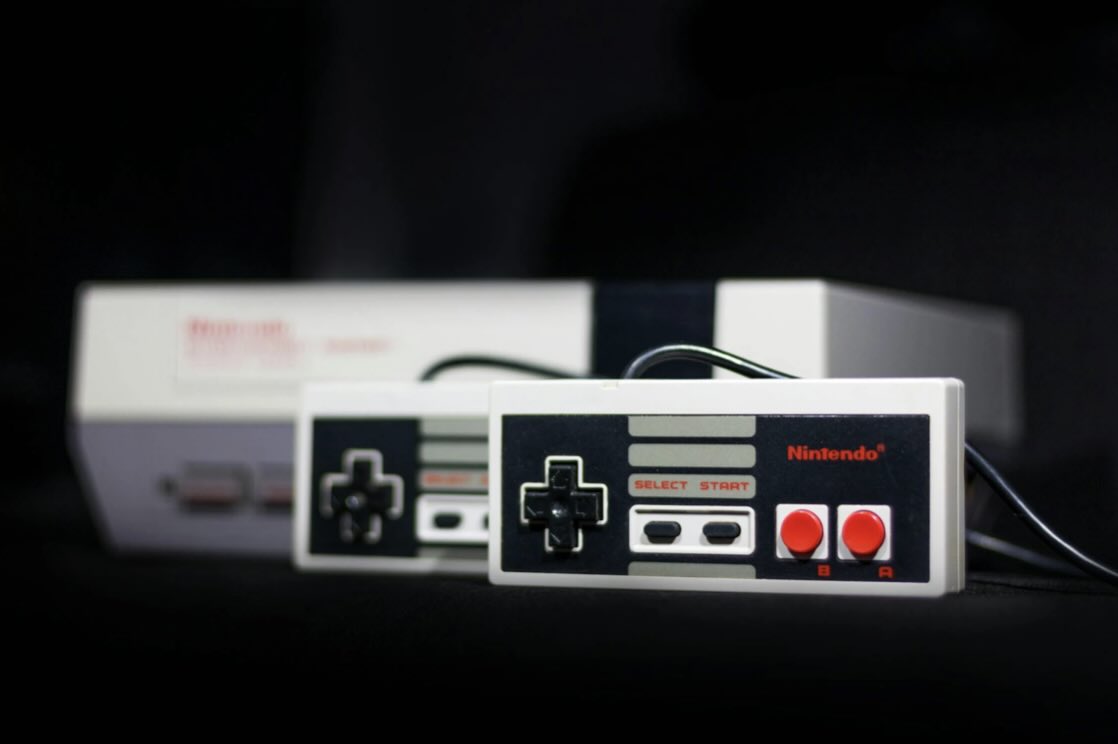
Nintendo gained popularity with the release of the Nintendo Entertainment System (NES) in 1985, securing its spot as the leader in home consoles. The Super Nintendo (SNES) built on this with improved graphics, sound, and gameplay. Meanwhile, Sega's Genesis (also known as the Mega Drive in some regions) quickly made a name for itself with its powerful 16-bit graphics, creating a new standard for home gaming. Sony's PlayStation arrived in the mid-1990s and quickly changed the game by introducing CD-based gaming. Sites like sunny-days.site explore topics like Japanese gaming's impact on culture,
Cool Features That Made Each Console Stand Out
Each of these consoles brought something special to the table, helping to form the gaming industry as we now know it.
- Sega Genesis: Released in 1988, the Genesis featured a 16-bit Motorola 68000 processor, offering improved graphics and faster processing than 8-bit consoles. Its Yamaha YM2612 audio chip provided rich sound capabilities. These advancements enabled smoother, more detailed 2D graphics and complex gameplay, positioning the Genesis as a major player against the SNES.
- Super Nintendo (SNES): Released in 1990, the SNES used a Ricoh 5A22 16-bit processor running at 3.58 MHz, paired with a custom Picture Processing Unit (PPU) for advanced graphical effects like Mode 7. Its SPC700 audio processor improved sound quality, while an expanded memory bus supported larger games and more complex designs, raising the bar for both visual and audio fidelity.
- PlayStation 1: Launched in 1994, the PlayStation featured a MIPS R3000A CPU running at 33.8688 MHz, supporting 3D rendering and larger game environments. It utilized CDs instead of cartridges, allowing developers to store much more data. Additionally, its memory card system changed save functionality, becoming a standard across future consoles.
Why Japanese Consoles Are Still Relevant
Even decades after their release, Japanese consoles are still an important part of entertainment. The PlayStation 5, for instance, continues Sony’s focus on innovation with its graphics, fast load times, and smooth user experience. These features have set new expectations for what consoles can do.
Nintendo’s Nintendo Switch has also maintained its popularity with its hybrid design, allowing it to work as both a home console and a portable device. The Switch has found success due to its flexibility and an extensive library of exclusive games like The Legend of Zelda: Breath of the Wild and Super Mario Odyssey.
The Legacy of Japanese Innovation
Japan’s contributions to gaming are more than just nostalgic memories—they’re the foundation of modern gaming. Consoles like the Sega Genesis, SNES, and PlayStation 1 laid the groundwork for the gaming industry’s remarkable growth, and their legacy continues now.