News On Japan

Why Japan's Domestic Passenger Jet MRJ Failed

Why Japan's Domestic Passenger Jet MRJ Failed

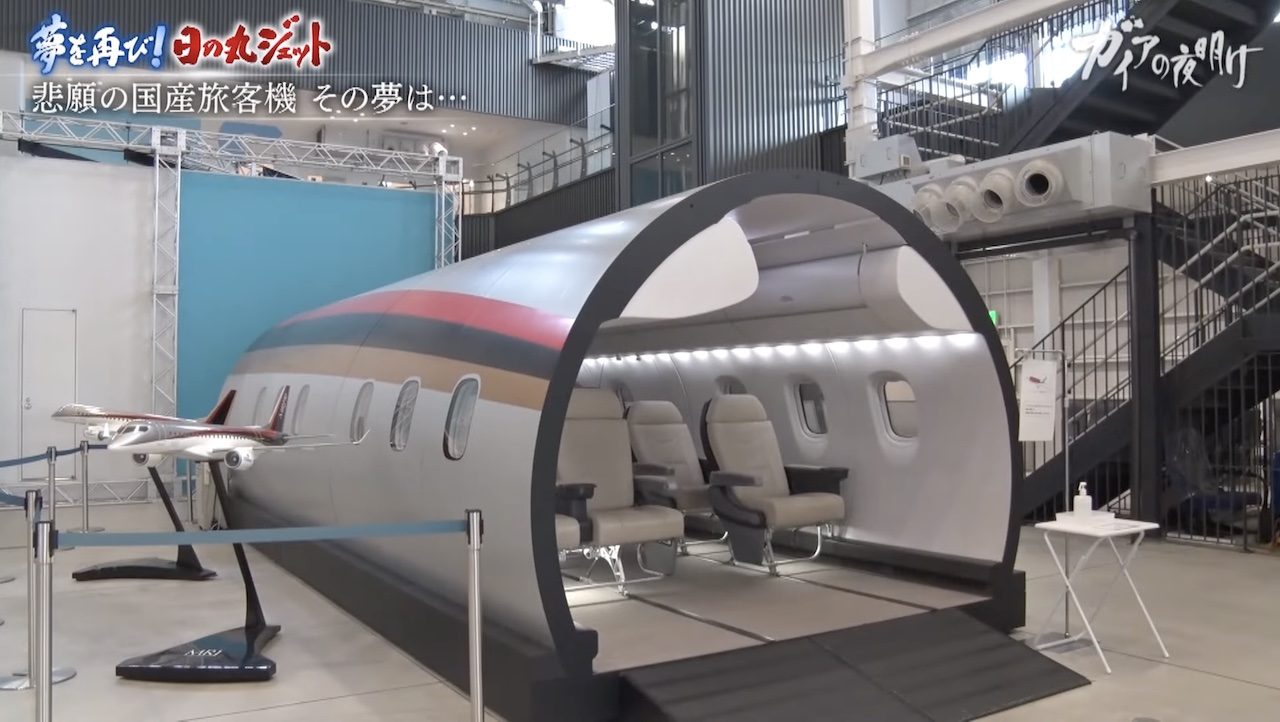
TOKYO - Japan’s aerospace ambitions have faced a turbulent journey, with the MRJ (Mitsubishi Regional Jet) project standing as a stark reminder of the challenges in the competitive global aviation industry.

Mitsubishi Heavy Industries (MHI) launched the MRJ in 2008 as the first domestic jet passenger aircraft in half a century. Despite high hopes and over 1 trillion yen in investment, the project was canceled in 2023 after six delivery delays, leaving the nation’s technological credibility under scrutiny.

The MRJ aimed to revolutionize regional air travel with a 90-seat aircraft, but the project was plagued by delays in securing type certification, particularly in the United States, its primary market. Certification requirements, involving over 400 rigorous safety and operational checks, overwhelmed the project team. While MHI brought in experienced engineers from Boeing to address the gaps, the lack of early preparation led to costly setbacks.

Key stakeholders reflected on missed opportunities, acknowledging that the team underestimated the complexities of global regulatory standards. By the time issues were resolved, market conditions had shifted, making the project unviable. The MRJ’s collapse marked a significant blow to Japan’s efforts to establish itself as a leader in the aviation industry.

In March this year, Japan’s Ministry of Economy, Trade and Industry announced a new strategy to reignite domestic aircraft development by 2035, incorporating lessons from the MRJ. Framed as a "game-changing opportunity," the plan seeks to bolster Japan’s technological capabilities and forge international partnerships to meet future demand in the aerospace sector.

While the MRJ’s failure remains a cautionary tale, it has also provided valuable insights. Japan’s leaders are determined to transform the setback into a stepping stone, using the experience to build a stronger foundation for the nation’s aviation ambitions.

Source: テレ東BIZ

News On Japan
POPULAR NEWS

A newly formed tropical depression near Taiwan on June 9th is expected to intensify the seasonal rain front lingering over southwestern Japan, raising the risk of warning-level rainfall across Okinawa and the Amami Islands through around June 11th.

Japan, which records the shortest average sleep duration among OECD countries, is launching new efforts to tackle widespread sleep deprivation, including the opening of specialized sleep disorder departments and programs aimed at improving children's sleep habits through sports and physical activity.

Japan's national soccer team arrived in Nashville, Tennessee, on June 8th from Monterrey, Mexico, where it had been conducting a pre-World Cup training camp, and held its first practice session at its base camp for the FIFA World Cup in North America.

A prolonged eruption at Sakurajima on June 7th blanketed parts of Kagoshima City in volcanic ash, turning roads gray and prompting long lines of vehicles seeking car washes after a plume of smoke rose 1,300 meters above the crater.

A powerful earthquake struck off Mindanao Island in the southern Philippines at 8:38 a.m. (Japan time) on June 8th, generating tsunami waves across parts of the Pacific, causing building collapses and casualties near the epicenter, and prompting the Japan Meteorological Agency to issue tsunami advisories along a wide stretch of Japan's Pacific coastline before lifting all of them at 4:50 p.m.

MEDIA CHANNELS
         

MORE Sci-Tech NEWS

Three people in their 20s and 30s living in Osaka Prefecture and other areas were referred to prosecutors on June 2nd for allegedly illegally selling and transferring the type 2 diabetes drug Mounjaro without the required authorization, as concerns grow over the drug's popularity as a weight-loss treatment and the health risks associated with its misuse.

A hot spring lodging facility in Akita Prefecture has introduced a biomass boiler that uses rice husks and buckwheat hulls as fuel, reducing reliance on expensive kerosene while creating a new use for agricultural waste.

The Japanese government has unveiled a draft target to replace between two and five nuclear reactors by the 2040s, marking the first time numerical goals for nuclear power development have been presented since the Fukushima Daiichi nuclear disaster 15 years ago.

The video explains how a tiny, remote Japanese island called Minami Torishima (Marcus Island) could become one of the most strategically important locations in the world due to enormous deposits of rare earth elements buried in deep-sea mud beneath the Pacific Ocean.

A large solar power facility built on a mountainside in Fukushima City is generating reflected sunlight for far longer than originally projected, with a city survey finding that glare at some locations lasted up to 53 minutes per day—more than ten times the maximum duration predicted by the operator.

Japan’s largest space business exhibition opened at Tokyo Big Sight on May 27th, showcasing a growing wave of companies from outside the traditional aerospace sector entering the rapidly expanding space industry.

JR Tokai held its first-ever resident briefing session in Shizuoka City on May 26th regarding construction of the Linear Chuo Shinkansen, outlining measures for water resource management and environmental conservation as the company seeks to gain local support ahead of the start of construction in Shizuoka Prefecture.

A seasonal spectacle has begun on the Miwasaki coast in Shingu, Wakayama Prefecture, where tiny male chigogani crabs are emerging from their burrows at low tide and rhythmically waving their claws in a movement resembling a dance.