News On Japan

Yen Plunges to Historic Low; Intervention Likely

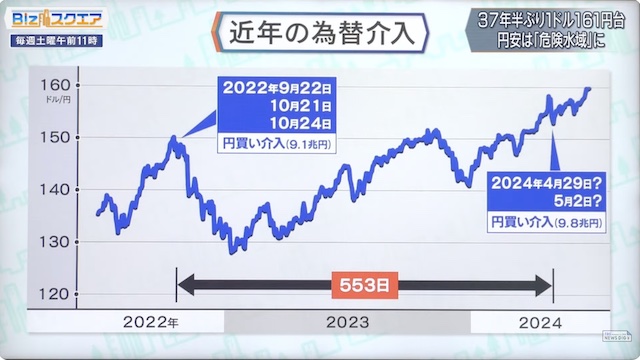
TOKYO - On the 28th, the yen temporarily fell to the 161-yen level against the dollar, marking the weakest level in approximately 37 and a half years. Market concerns are growing over potential currency intervention by the government and the Bank of Japan (BOJ).
Yen Plunges to Historic Low; Intervention Likely

The yen started the week on Monday at levels approaching the critical 160-yen mark in the Tokyo foreign exchange market. The BOJ, during its policy meeting this month, hinted at the need for intervention if necessary, but the impact on the currency market was limited.

Changes occurred on Wednesday when a Federal Reserve Board official indicated that lowering interest rates was not yet appropriate due to the risk of reaccelerating inflation, pushing the yen down to 160.80 yen to the dollar. This level of depreciation had not been seen since December 1986, following the Plaza Accord when major countries intervened to correct the strong dollar.

During an interview, Finance Minister Kanda recognized the current rapid movements and indicated that the government would take necessary measures against excessive movements. Despite this, the yen fell to 161.20 yen to the dollar before 10 AM, further advancing the historic depreciation of the yen.

The market remains wary that the government and the BOJ might step in to intervene in the currency market as the yen's rapid fall past the 160-yen mark in just two days heightened concerns. The Finance Minister's warning did little to calm the market, and the yen continued to fluctuate around 161 yen in the afternoon.

The market perceives that the interest rate differential between Japan and the US will remain unchanged for the foreseeable future, prompting investors to seek higher returns in other currencies. Kazuo, a strategist at Barita Research, expressed frustration over the lack of intervention, stating that interventions alone cannot stop the yen's depreciation without substantial and sustained measures.

BOJ Governor Ueda, during the policy meeting on June 18th, mentioned that raising policy rates in July was a possibility, though the market reaction was minimal. Analysts suggest that the yen's depreciation might be viewed as a result of Japan's continued accommodative monetary policy. The effectiveness of past interventions has diminished, as evidenced by the yen's quick return to weaker levels.

While the BOJ and the government have repeatedly signaled their intent to intervene if necessary, the market views these actions as insufficient to reverse the yen's slide. The yen's fall to the 160-yen level has led to discussions about Japan's willingness to tolerate a weaker currency, reflecting political rather than purely economic motives.

The market awaits stronger and more decisive actions from Japanese authorities to halt the yen's decline. The upcoming BOJ meeting in July and potential policy adjustments will be critical in shaping the future of the yen's exchange rate.

Source: TBS

News On Japan
POPULAR NEWS

As of 3 a.m. on May 31st, Typhoon No. 6 (Chan-hom) was moving north-northwest south of Okinawa and is forecast to pass near Okinawa Main Island between June 1st and June 2nd as a strong typhoon, with meteorologists warning of destructive winds, torrential rain and dangerous seas across Okinawa before the storm tracks northeastward along Japan's Pacific coast.

A series of false bear sighting reports posted to an online alert system operated by Aomori Prefecture has disrupted schools, prompted a police investigation, and raised concerns about the growing impact of misinformation on public safety.

A social media dispute between a 17-year-old high school student from Tokyo's Itabashi Ward and a 16-year-old boy from Edogawa Ward escalated into a planned group fight involving around 30 youths, some of whom allegedly brought weapons including a rusty saw, iron pipes, a special baton and even a shovel.

Japan's population stood at 123.05 million in 2025, according to preliminary results from the national census released by the Ministry of Internal Affairs and Communications, marking a decline of 3.097 million people over the past five years.

Volleyball player Shunichiro Sato, a member of Japan’s men’s national team, was arrested by the Tokyo Metropolitan Police Department on suspicion of possessing marijuana after allegedly leaving a bag containing the drug at a pachinko parlor in Tokyo.

MEDIA CHANNELS
         

MORE Business NEWS

Japan's restaurant industry is facing growing uncertainty after the government suspended the acceptance of new foreign workers under the Specified Skilled Worker visa program for the food service sector, a move that is affecting businesses, language schools, and students who had hoped to build careers in Japan.

As soaring valuations in AI and semiconductor stocks prompt concerns about concentration risk, market analysts are increasingly pointing to energy shares as a potential alternative investment theme in an inflationary environment.

Toyota Motor has decided to halt development of the LF-ZC, a next-generation electric vehicle planned under its Lexus luxury brand, according to sources familiar with the matter.

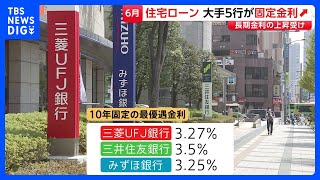
Fixed-rate mortgage costs in Japan are set to rise again in June as the country's five major banks increase home loan rates in response to higher long-term interest rates, with their flagship 10-year fixed-rate mortgages rising to preferential rates of 3.27% at Mitsubishi UFJ Bank, 3.5% at Sumitomo Mitsui Banking Corporation, and 3.25% at Mizuho Bank.

Japan is facing a growing transportation dilemma. While a record number of foreign visitors in 2025 has fueled congestion and traffic jams in major cities and tourist destinations, many rural communities are grappling with the opposite problem: shrinking populations and aging residents are making it increasingly difficult to maintain public transportation services.

Born with osteogenesis imperfecta, a rare disorder that makes bones fragile and prone to fractures, Toshiya Kakiuchi built a company with a mission to transform both the physical and emotional barriers faced by people with disabilities.

Finland is positioning economic resilience as a core pillar of national security, with Finnish Economic Affairs Minister Sakari Puisto emphasizing closer cooperation with Japan in advanced technologies, supply chain security and dual-use industries during a recent visit to Tokyo.

Bank of Japan Governor Kazuo Ueda said on May 27th that Japan's economy is facing an "oil price shock" as tensions in the Middle East drive up crude oil prices, speaking at an international conference hosted by the central bank.