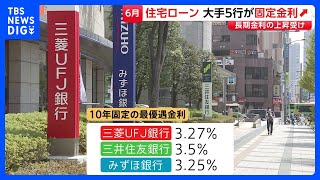
TOKYO - The average price of a newly built condominium in the Greater Tokyo area in April dropped 8.7% from a year earlier to 69.99 million yen, falling below the 70 million yen mark for the first time in 16 months, according to a report by the Real Estate Economic Institute.
The decline was largely driven by a noticeable decrease in the supply of ultra-high-end properties in Tokyo’s 23 wards, which pulled down the overall average. Meanwhile, the number of units put on sale rose 3.5% year-on-year to 1,006, marking the first increase in six months.
Over the past decade, land prices in Tokyo have undergone a complex and layered transformation shaped by both macroeconomic forces and localized developments. Following the global financial crisis in 2008, Tokyo’s real estate market initially remained sluggish, with land values stagnating or even declining slightly in certain suburban districts. However, momentum began to shift in the early 2010s as the Abe administration launched its economic revitalization strategy, commonly referred to as Abenomics. The combination of aggressive monetary easing, fiscal stimulus, and structural reforms sparked renewed investor confidence, prompting a gradual uptick in property prices, particularly in central Tokyo. As the Bank of Japan pushed interest rates to historic lows, domestic and international investors turned to real estate as a relatively stable store of value, accelerating demand for land in the capital. This demand was especially concentrated in prime commercial areas such as Marunouchi, Ginza, and Shibuya, where redevelopment projects and infrastructure improvements promised long-term returns.
By the time Tokyo was selected to host the 2020 Summer Olympics, the city’s land prices were rising steadily. Anticipation of tourism growth and large-scale public investment drove up valuations in both residential and commercial zones. Between 2013 and 2019, land prices in Tokyo’s central wards posted consistent year-on-year increases, with some districts like Chuo, Minato, and Shinjuku recording double-digit gains in certain years. Redevelopment projects such as Toranomon Hills and ongoing upgrades to transit hubs helped reinforce this upward trend. Meanwhile, in peripheral areas such as western Tokyo and parts of Kanagawa and Saitama, price growth was more moderate but still reflected the spillover from central demand. Real estate funds, developers, and overseas buyers—particularly from China and Southeast Asia—played a notable role in sustaining the city’s land price inflation, often prioritizing locations with proximity to train stations, shopping centers, and business districts.
However, the pandemic disrupted this trajectory in 2020. While the immediate impact on land prices was not catastrophic, uncertainty surrounding tourism, office demand, and urban living caused growth to plateau or slow. Some commercial districts experienced temporary declines in transaction volumes, particularly in office and hospitality sectors, where remote work and travel restrictions changed usage patterns. Nonetheless, residential demand remained surprisingly resilient, supported by low interest rates and changing preferences toward more spacious homes, even if located further from the city center. By 2022, as Japan reopened its borders and economic activity normalized, land prices began to recover. The rebound was particularly noticeable in areas undergoing continued redevelopment, such as Shibuya and Shinagawa, as well as in logistics-related zones benefiting from the e-commerce boom.
In recent years, Tokyo’s land market has shown signs of bifurcation. Core locations with strong economic functions and future development potential have continued to see price appreciation, driven by investor optimism and limited supply. Meanwhile, less connected or aging suburban districts have struggled to keep pace, reflecting demographic challenges such as population decline and an aging society. The result is a city where land prices are increasingly polarized—soaring in high-demand pockets while stagnating or softening elsewhere. With factors such as interest rate policy shifts, global capital flows, and urban planning reforms continuing to influence the market, Tokyo’s land price trajectory in the coming decade will likely hinge on how it balances growth, sustainability, and demographic change.
Source: テレ東BIZ