News On Japan

Huawei Watch D2は高血圧の管理に効果的に役立つことができますか?

Dec 19, 2024 (News On Japan) - 高血圧は、世界中で何百万人もの人々を悩ませている一般的な健康問題です。

Huawei Watch D2は高血圧の管理に効果的に役立つことができますか?

高血圧を管理することで、心臓病、脳卒中、その他の合併症のリスクを大幅に減らすことができます。Huawei Watch D2 などのウェアラブル テクノロジーにより、血圧 (BP) の追跡と高血圧の効果的な管理が容易になります。このブログでは、この点での huawei watch D2 血圧 時計 の機能について検討し、高血圧患者の健康状態の改善におけるその正確性と有用性を分析します。

Huawei Watch D2が血圧を追跡し高血圧管理をする方法

Huawei Watch D2の血圧モニタリング機能

ファーウェイウォッチD2は、血圧を連続的に監視するための高度な機能を備えています。TruSenseシステムには、高精度プレッシャーセンサー、ミニポンプ、インフレータブルエアバッグが含まれており、正確かつ一貫した読み取りを保証します。時計の2イン1デザインには、手首に快適にフィットし、簡単に膨らむ26.5mmの超狭小機械エアバッグが搭載されています。このセットアップにより、ユーザーは昼夜を問わず血圧を監視することができ、BPトレンドに関する貴重な洞察を提供します。さらに、デバイスは、24時間にわたる平均収縮期血圧(SBP)および拡張期血圧(DBP)の読み取り値、脈拍率を含む詳細なデータを提供し、心臓の健康に関する包括的なビューを提供します。

Huawei Healthアプリを使用して高血圧の洞察を得る

Huawei Healthアプリは、Huawei Watch D2の体験に欠かせない部分であり、高血圧を管理するための貴重なツールとなります。ユーザーは詳細なレポートや視覚的なデータ分析を通じて、自分の血圧のトレンドを理解しやすくなります。アプリは、6つの主要な健康指標を直感的なグラフやチャートで示したHealth Glanceレポートへの簡単なアクセスを提供します。ユーザーは24時間自動モニタリングプランを開始でき、睡眠中のBPトレンドを監視することができます。この機能は、パターンを特定し、高血圧をより良く管理するために必要な生活習慣の調整を行うのに役立ちます。

Huawei Watch D2 の高血圧モニタリングの精度はどのくらいですか?

従来の血圧計との精度の比較

Huawei Watch D2は、伝統的な血圧計と同等の精度を提供することを目指しています。このスマートウォッチには、新しいTruSenseシステムが搭載されており、高精度の圧力センサーと組み合わさって信頼性の高い血圧測定が可能です。伝統的なモニターはゴールドスタンダードとされていますが、Huawei Watch D2の先進技術はその差を縮めることを目指しています。持ち運び可能な血圧測定を提供し、ユーザーが従来の機器のかさばりを感じることなく、リアルタイムで血圧を追跡できるようにしています。

血圧の正確性に関するユーザー体験

Huawei Watch D2のユーザー体験では、血圧測定の精度が競合するレベルであることが強調されています。多くのユーザーは、従来のモニターの読値と近いことを発見し、デバイスの便利さと革新性を認めています。しかし、一部のユーザーは、手首の位置が適切でなかったり、測定中の動きなどの要因により、わずかな誤差が生じることを指摘しています。全体として、Huawei Watch D2は、定期的な血圧モニタリングにおいて、従来の方法を補完する信頼性の高いオプションを提供するというのが共通の意見です。

Huawei Watch D2は高血圧の低減に役立ちますか?

高血圧管理のためのライフスタイルと習慣の追跡

Huawei Watch D2は、高血圧の管理に役立つライフスタイルの変化を促す機能を提供します。80以上の運動モードと一般的な活動の自動検出機能により、ウォッチは定期的な運動を奨励します。これは高血圧を下げるための重要な要素です。Huawei Healthアプリが提供するHealth Glanceレポートには、心拍数、SpO2レベル、および1日の歩数に関する情報が含まれています。ユーザーは、詳細なデータとパーソナライズされたウォッチフェイスに導かれ、健康指標を視覚的に利用しやすくしながら、健康的な習慣やルーティンを築くことができます。

血圧管理のためのアラートと通知

Huawei Watch D2によって提供されるアラートと通知は、高血圧管理において重要な役割を果たします。ユーザーは定期的な血圧チェックのリマインダーを設定でき、読取り値が正常範囲から外れた場合にアラートを受け取ることができます。このリアルタイムの監視により、即座に行動を起こすことが可能となり、長期的な高血圧のリスクを減らすことができます。また、この時計は通知のためにBluetooth接続をサポートしており、ユーザーが常に携帯電話をチェックする必要なく情報を得ることができます。それは効果的に健康データを行動可能な洞察に変換します。

結論

Huawei Watch D2 は高血圧の管理において有望なツールとして登場し、先進的な機能を通じて継続的かつ簡単な血圧モニタリングを提供します。Huawei Health アプリを介して顕著な利便性と有益な洞察を提供しますが、補助デバイスの役割を果たすことをユーザーは忘れないでください。その精度は優れていますが、従来の方法で確認し、医療専門家の指導の下で実施することが重要です。より良い心臓の健康を目指す旅において、Huawei Watch D2 は貴重なパートナーとなり、ユーザーに重要なデータを提供して、健康的な選択を行うために役立ちます。

News On Japan
POPULAR NEWS

Toyota Motor will begin operating fully autonomous taxis in 2027 through a partnership with U.S. self-driving technology company Waymo, marking a major step in the Japanese automaker's efforts to expand driverless transportation services.

Mount Fuji has received its first snowcap of the season, the Japan Meteorological Agency announced on October 30, after temperatures at the summit plunged to minus 9.4 degrees Celsius, marking the arrival of winter conditions on Japan's highest mountain.

U.S. intelligence agencies suspect that a Chinese female intelligence operative developed a close relationship with Nvidia CEO Jensen Huang in an attempt to obtain confidential corporate and U.S. government information, according to a report published by The New York Times on October 29th.

The Japanese government has asked major telecommunications operators to forcibly block access to websites believed to contain personal information stolen in a cyberattack on GMO, it emerged on October 29th, as authorities moved to prevent further exposure of sensitive data online.

Typhoon No. 31 was located near Minamitorishima Island in the Pacific Ocean, as of 3 a.m. on October 30, and was expected to approach the Ogasawara Islands south of Tokyo over the October 31-November 1 weekend while maintaining very strong intensity, bringing a growing risk of dangerously high waves, powerful swells and extremely rough seas.

MEDIA CHANNELS
         

MORE Sci-Tech NEWS

Japanese pharmaceutical company Sumitomo Pharma announced on October 30 that the first patient to receive its newly approved regenerative medicine treatment for Parkinson's disease underwent a successful brain cell transplant at Kyoto University Hospital in early October, with the woman in her 50s already returning to work and recovering well.

Japan's ports have long been the backbone of one of the world's most export-driven economies.

A company in Kagoshima has developed a new garbage collection station that uses specially shaped wires and rollers instead of conventional nets to prevent crows from scattering household waste, offering a cleaner and more convenient solution to a persistent problem in Japan's urban neighborhoods.

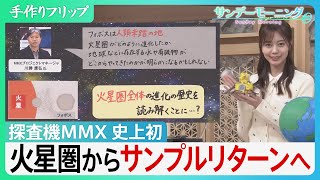
Japan has chosen a small, irregularly shaped moon orbiting Mars rather than the planet itself for its latest space exploration mission, taking advantage of Phobos' extremely weak gravity and lack of atmosphere to make collecting extraterrestrial samples and returning them to Earth far easier and less expensive, while potentially unlocking secrets about the history of Mars and the origins of water and organic materials in the solar system.

Japan's H3 rocket successfully launched the Martian Moons eXploration (MMX) spacecraft from the Tanegashima Space Center in Kagoshima Prefecture on the morning of October 20th, placing the probe into its planned orbit in the first stage of a mission to collect samples from one of Mars' moons and return them to Earth.

JR West has unveiled multifunctional railway maintenance machinery, including a heavy-duty single-arm robot and a mass-produced humanoid robot, as part of efforts to address labor shortages and reduce workplace accidents in railway maintenance operations.

Subaru unveiled experimental vehicles equipped with a new driver assistance system on October 18, introducing technology that can automatically guide a vehicle to a safe roadside location when the driver becomes incapacitated, with plans to introduce the system in production models by the late 2020s.

Japan will launch its H3 rocket No. 10 from the Tanegashima Space Center in Kagoshima Prefecture at 4:41 a.m. on October 20, carrying a spacecraft designed to collect rocks and sand from Phobos, one of Mars' two moons, and return them to Earth in what would be the world's first successful mission of its kind.