



Local governments across Japan are stepping up efforts to recruit people who hold teaching licenses but are not working in schools, known as "paper teachers," as a worsening teacher shortage has seen the national ratio of applicants to available elementary school teaching positions fall from 12.5 in fiscal 2000 to just 2 in 2025.

A growing number of Chinese families are moving to Japan to escape their country's fiercely competitive education system, attracted by a more relaxed learning environment and better quality of life, as Japan's foreign resident population reaches a record 4.28 million and universities report a sharp increase in Chinese students seeking to build their futures in the country.

The proportion of parents in Japan who want a second child has fallen to a record low of 28.2%, according to a survey by major life insurer Meiji Yasuda, highlighting growing financial pressures, demanding work schedules and concerns about the future that are making it increasingly difficult for families to consider having more children.

Japan Casino School has announced plans to launch a new training course in April 2027 to prepare casino dealers for MGM Osaka, the operator of the integrated resort under construction on Yumeshima, Osaka, with a target of training 500 dealers annually ahead of the facility's opening.
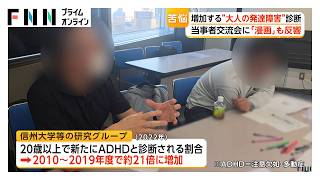
An increasing number of adults in Japan are being diagnosed with developmental disorders, including attention deficit hyperactivity disorder (ADHD), as greater awareness encourages people to recognize lifelong difficulties and seek support through discussion groups and personal accounts.

Around 90 self-proclaimed ninjas from across Japan gathered in Koka, Shiga Prefecture, for the 43rd All-Japan Ninja Championship, competing in traditional ninja-inspired challenges including shuriken throwing, castle wall climbing, and running across water to claim the title of Japan's top ninja.