Japan is one of those countries that people visit once and then return to again and again and again, because it is unlike any other place on the planet.
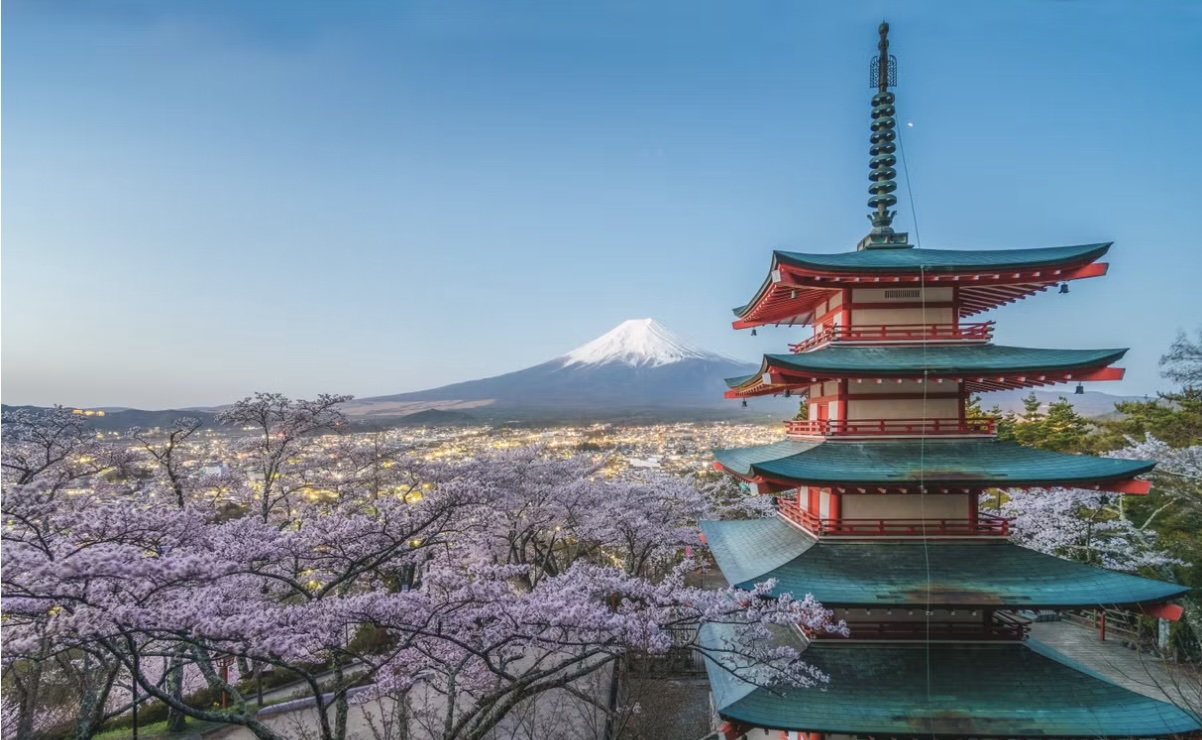
Here, you can speed past Mount Fuji at a speed of 300 km/h aboard a Shinkansen train, and a hundred meters from the skyscrapers you can see an 8th-century wooden temple.
For travelers, Japan is both a challenge and a gift. You will face a long flight with a layover and jet lag, as well as a language barrier, but in return, Japan will immerse you in a completely different culture, while also offering exceptional safety and reliability wherever you go.
Internet, Mobile Data, and Navigation in Japan
Internet and mobile service. International roaming works in Japan, but it can be expensive. Many travelers choose an eSIM instead, as it can be activated before arrival and usually offers more affordable mobile data plans. For example, eSIM Plus Japan provides prepaid eSIM plans for 7 to 30 days.
Navigation. In Japan, the Google Maps app works exceptionally well and can calculate routes and estimate transportation costs. Also download Japan Travel by NAVITIME or Japan Transit Planner for more complex journeys.
Sockets. In Japan, Japan uses the American Type A plug standard. Most modern chargers work without any issues, but you will need an plug adapter for European plugs.
Best Time to Visit Japan
Spring. This is the peak tourist season in Japan. Cherry blossoms bloom in late March and early April, and the whole country goes on picnics in parks. Tokyo, Kyoto, Nara, and many other cities are blanketed in pink and white blossoms. Cherry blossom season is beautiful, but it is also extremely crowded: hotels are booked several months in advance, prices are at their highest. But it's best to avoid the first week of May.
Summer. June marks Japan's rainy season, and in July and August temperatures often reach 35°C with high humidity. But in summer, the country hosts major festivals, such as the Gion Festival in Kyoto, one of Japan's largest Shinto festivals that lasts throughout July and is accompanied by grand processions and fireworks.
Autumn. The second most popular tourist season in Japan is when Japanese maple leaves turn shades of red, orange, and gold from mid-October to November. The weather is mild and comfortable (+15...22 °C, no rain), which makes autumn the best choice for your first trip to Japan.
Winter. It's a quiet and underrated season when there are fewer tourists on the streets and housing prices are lower. Hokkaido and Japan's mountain regions receive plenty of snow, making them ideal for skiing. But the main winter pleasure in Japan is open-air onsen (hot springs), especially when surrounded by falling snow. Winter is also the best time to admire Mount Fuji.
Top Places to Visit in Japan
For your first trip, you can choose the classic route, which is called the Golden Route: Tokyo → Kyoto → Osaka. It covers modern Japan, historical Japan, and Japan's culinary culture. Allow at least 10 days to explore the country comfortably.
Tokyo (4–5 days). Start in Asakusa, where Senso-ji Temple and Nakamise Shopping Street are located. Go to Akihabara — the heart of Japan's electronics and anime culture. Save Shibuya with its famous “Shibuya Crossing” and Harajuku, known for its youth fashion for another day, and head to Shinjuku for its nightlife. You should also visit the modern Odaiba entertainment district, located on an artificial island in Tokyo Bay, and take a day trip to Nikko, north of Tokyo, to see the ornate Toshogu Shrine.
Kyoto (3–4 days). The former capital of the country for more than 1,000 years. It is here that you will find wooden tea houses, catch a glimpse of geiko and maiko, and pass through thousands of vermilion torii gates, called torii, that lead to the Fushimi Inari Shrine. Other must-see attractions in Kyoto are Kinkaku-ji Temple (Golden Pavilion), Arashiyama Bamboo Grove, and Gion Quarter.
Osaka (2 days). Japan's culinary capital. Sample the street food on Dotonbori Street, experience the city's vibrant nightlife and, of course, visit the historic Osaka Castle. Osaka is also a convenient departure point for international flights.
Getting Around Japan
Trains. The primary means of traveling between cities in Japan. Use the Shinkansen high-speed train at least once per trip for the experience: take it from Tokyo to Kyoto in 2 hours and 20 minutes. Get from Kyoto to Osaka, take a limited express or local train — you'll get there in about 40 minutes instead of about 15 minutes on the Shinkansen, but you'll save a lot. If you plan to travel around the country by train a lot, consider purchasing the Japan Rail Pass (JR Pass). You can buy it in advance, before arriving in Japan. The pass offers unlimited travel on most JR trains on most Japan Railway lines for 7, 14, or 21 days.
Metro. Tokyo and Osaka have one of the most extensive metro systems in the world. Use the Google Maps app: it will plan your route with transfers and display the fare.
Transport cards. The Suica (Tokyo) and ICOCA (Osaka and Kyoto) cards function as rechargeable transit cards: top them up with cash at special vending machines and tap them at the ticket gates at the stations to pay your fare.
Buses. In Kyoto, they are the city's primary form of public transportation. A daily pass costs about 700 ¥ and can save you money if you take several rides.
Where to Stay in Japan
Traditional ryokan inns. Rooms feature woven tatami floors and thin futon mattresses, a multi-course kaiseki dinner, access to a private or shared onsen is an experience worth having at least once, especially in the mountainous regions of Hakone or Nikko.
Regular hotels. Budget chain hotels are generally clean and comfortable, and breakfast is often included in the room rate. Capsule hotels are an option for those who want to experiment with the format and save on accommodation: personal space here is limited to a capsule about 2x1 m in size with a bed, a power outlet and a privacy screen, and the toilet and shower are shared.
Apartments and family-run guesthouses (minshuku). They are a great option for families, and breakfast is often included in the room rate. Staying in a family-run guesthouse is worthwhile for the sake of an authentic experience.
Things to Know Before You Go
Japan is a country with very clear, albeit unspoken rules. Most of them are intuitive: be quiet, considerate, and respectful of others. Avoid talking on the phone on public transportation, and keep your phone on silent mode.
It is not customary to leave tips in restaurants: this can put the waiter in an awkward position.
Japanese people also bow when greeting, saying goodbye, expressing gratitude, and apologies. For visitors, a slight nod is perfectly acceptable — and will be appreciated.