



Climbers who get into trouble on Mount Fuji during the official closed season could be charged for rescue by disaster-prevention helicopters under new safety measures being considered by Yamanashi Prefecture.

A 220-meter suspension bridge billed as the longest of its type in Japan opened at Biwako Valley in Otsu, Shiga Prefecture, on September 14, offering visitors panoramic views of the surrounding mountains and Lake Biwa.

Historic floats and a shrine mikoshi paraded through Tokyo's Akasaka district as the centuries-old Akasaka Hikawa Festival reached its climax with its traditional Shinkosai procession.
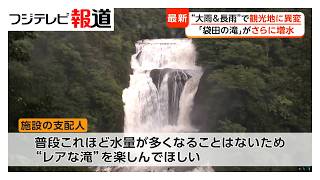
Prolonged rain has dramatically transformed Fukuroda Falls in Ibaraki Prefecture, sending far more water than usual over the famous cascade and drawing growing numbers of tourists eager to see the unusually powerful spectacle.

China will sharply raise visa fees for Japanese nationals entering the country from September 14, with the cost of a single-entry visa increasing to 16,750 yen, about 7.4 times the current level.

Tokyo's Koto Ward will conduct on-site inspections of all roughly 400 lodging facilities from January 2027 as it moves to strengthen regulations following a sharp increase in complaints over issues including garbage disposal and nighttime noise.

Hyogo Prefecture is warning of an increased risk of Asiatic black bears entering residential areas this autumn as a poor crop of acorns and other nuts leaves the animals searching more widely for food before hibernation.

Nagoya was assessing the damage after record-breaking rainfall exceeding 100 millimeters in one hour struck the city on September 8, causing a river to temporarily overflow into a residential area and leaving carp and catfish stranded in roadside drains.