



Tokyo's Bunkyo Ward will expand restrictions on private lodging businesses across the entire ward from January 2027 after the ward assembly approved an ordinance amendment on October 7 aimed at tightening controls on minpaku short-term rentals.
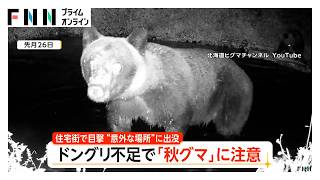
Bears are becoming increasingly active across Japan ahead of winter, with poor acorn harvests in parts of the country raising concerns that hungry animals may venture closer to homes and tourist areas in search of food.

Japan Airlines has revamped its domestic lounge at Tokyo's Haneda Airport, adding private workspaces, meal options timed to passengers' departures and facilities for families as it seeks to meet the needs of an increasingly diverse range of travelers.

Fans from across Japan gathered in Furano, Hokkaido, on October 3 to visit filming locations from the television drama "From the Northern Country," marking the first weekend since the death of the series' screenwriter, So Kuramoto.

Young men leaped onto horses racing at full speed through the grounds of Kasuga Shrine in Takahama, Aichi Prefecture, on October 3 as the city's traditional Takahama Omanto Festival got underway.
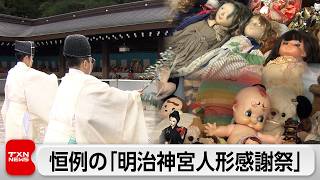
Around 38,000 dolls, including traditional Japanese dolls and stuffed animals, were brought to Meiji Shrine in Tokyo's Shibuya Ward for the annual Doll Appreciation Festival, where visitors bid farewell to old and damaged dolls in a ceremony expressing gratitude for the years they had been cherished.