News On Japan

Japan Releases Six Rules to Avoid Bear Encounters

TOKYO - The Japanese government has released a set of guidelines titled "Six Rules to Avoid Encountering Bears" as bear sightings across the country continue to rise sharply compared to the same period in previous years.

Chief Cabinet Secretary Yoshimasa Hayashi said on May 19th that the government plans to begin distributing the guidelines from next week and urged the public to review them carefully.

In response to the recent surge in bear appearances, the government has begun a nationwide awareness campaign outlining safety precautions and appropriate responses to bear encounters.

The campaign includes advice aimed at people gathering wild mountain vegetables, such as avoiding outings during early morning and evening hours when bears are more active. The "Six Rules to Avoid Encountering Bears" will be published in newspapers and online to encourage greater caution among the public.

The government also plans to release warning videos targeted at children and parents to raise awareness about bear-related dangers.

During a government meeting held on the morning of May 19th, Hayashi stressed the need to "step up efforts by another gear" and instructed relevant ministers to strengthen preventive measures aimed at reducing bear appearances.

The move comes amid a sharp increase in bear-related incidents nationwide. According to Environment Ministry data, Japan recorded more than 50,000 bear sightings during fiscal 2025, more than double the previous record. Preliminary figures also showed 238 casualties and 13 deaths linked to bear attacks during the same period, marking the highest level recorded in the past decade.

Recent attacks have heightened public concern, particularly in northern Japan. Earlier this month, two sets of human remains believed to be linked to bear attacks were discovered in Iwate and Yamagata prefectures, while a police officer searching for a missing person was also attacked by a bear in Iwate.

Experts say poor acorn and nut harvests, climate-related environmental changes, and rural depopulation have pushed more bears closer to residential areas in search of food. Authorities have reported bears appearing near homes, schools, train stations, and tourist sites with increasing frequency.

Source: FNN

News On Japan
POPULAR NEWS

Typhoon No. 27 (Choi-wan) is expected to rapidly intensify into a very strong storm as it moves north toward the Ogasawara Islands, bringing prolonged strong winds, heavy rain and waves exceeding six meters from October 5 to October 6, according to the latest forecast issued at 9 p.m. on October 2.

Nearly one year after the Osaka-Kansai Expo closed, the former exhibition grounds were opened to the media on October 2, revealing that around 90% of the pavilions and other facilities have been demolished, while the Forest of Tranquility remains a peaceful green space at the center of the site.

Time magazine has named Shoko Kawata, the 36-year-old mayor of Yawata in Kyoto Prefecture, among its 100 most influential emerging figures worldwide, recognizing her decision to become Japan's first sitting mayor to take maternity leave and highlighting a political career that has taken her from municipal administration to national politics and the leadership of a city of nearly 70,000 people.

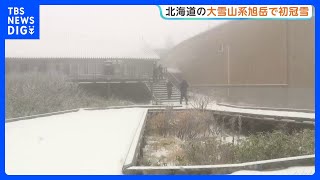
Hokkaido's highest peak, Mount Asahidake in the Daisetsuzan mountain range, recorded its first snow cover of the season on October 2, with the area around the Asahidake Ropeway's Sugatami Station, at an elevation of approximately 1,600 meters, blanketed in snow.

Tokyo authorities carried out the capital's first emergency shooting of a captured bear in Hachioji after an adult Asiatic black bear was found caught in a trap near a residential area about 8 kilometers from Takao Station.

MEDIA CHANNELS
         

MORE Travel NEWS

Osaka will launch regular nighttime sightseeing cruises on October 3, offering visitors a new way to enjoy the city's illuminated waterfront, including the historic architecture of Nakanoshima and the skyline surrounding Osaka Castle.

Hokkaido's highest peak, Mount Asahidake in the Daisetsuzan mountain range, recorded its first snow cover of the season on October 2, with the area around the Asahidake Ropeway's Sugatami Station, at an elevation of approximately 1,600 meters, blanketed in snow.

The 2026 Kishiwada Danjiri Festival brought generations together in Sakai-cho, where young men hauling a four-ton wooden float, veteran organizers guiding its course and a first-year rooftop performer worked side by side to carry forward a tradition dating back more than 300 years.

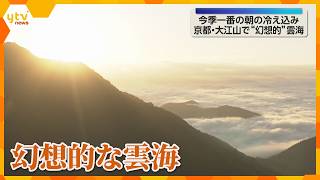
A spectacular sea of clouds appeared over Mount Oe in Fukuchiyama, Kyoto Prefecture, on the morning of September 30, creating a breathtaking landscape as the rising sun gradually turned the mist a deep crimson.

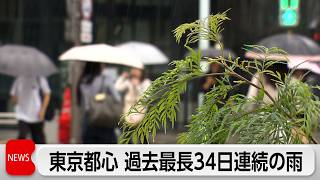
Tokyo recorded rain for a 34th consecutive day on September 29, setting a new all-time record for the capital, but the prolonged wet spell could finally end after Typhoon No. 26 passes the Izu Islands between the night of September 30 and the morning of October 1.

A popular temple in Fukuoka Prefecture has introduced a 500 yen admission fee for foreign tourists while allowing Japanese residents and foreigners living in Japan to enter free, a measure aimed at reducing disruptive behavior and helping protect the religious site.

Nagoya Castle welcomed crowds of domestic and international visitors on September 27, the final holiday before its adult admission fee doubles from 500 yen to 1,000 yen in October.

A new 220-meter suspension bridge has opened at Biwako Valley in Otsu, Shiga Prefecture, offering visitors a thrilling walk high above the mountains with panoramic views of Lake Biwa.